Kurti wins Kosovo vote, but coalition talks loom after deadlock
Kurti’s Vetevendosje won 43% of the vote, but Kosovo still lacks a majority. Coalition arithmetic now decides whether the stalled state can move forward.

Albin Kurti has won another election in Kosovo, but not the power to govern alone. His Vetevendosje movement took 43% of the vote with 99.4% of ballots counted, leaving Pristina once again facing the hard arithmetic of coalition building in a fragmented parliament.
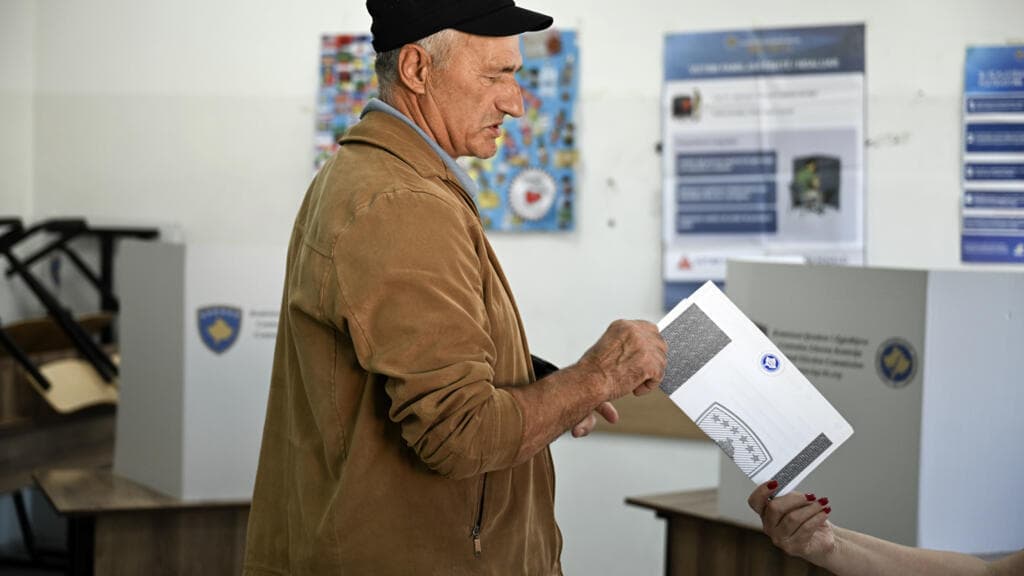
That result matters because Kosovo has spent the past 18 months cycling through inconclusive votes and unstable arrangements. Sunday’s ballot was the third parliamentary election in less than 18 months, following deadlocked contests in February 2025 and December 2025. The latest crisis was triggered after the mandate of President Vjosa Osmani ended in late March 2026 and parties failed to agree on a successor, exposing the weakness of a political system that cannot easily produce the 80 votes needed in the 120-member assembly to elect a president.
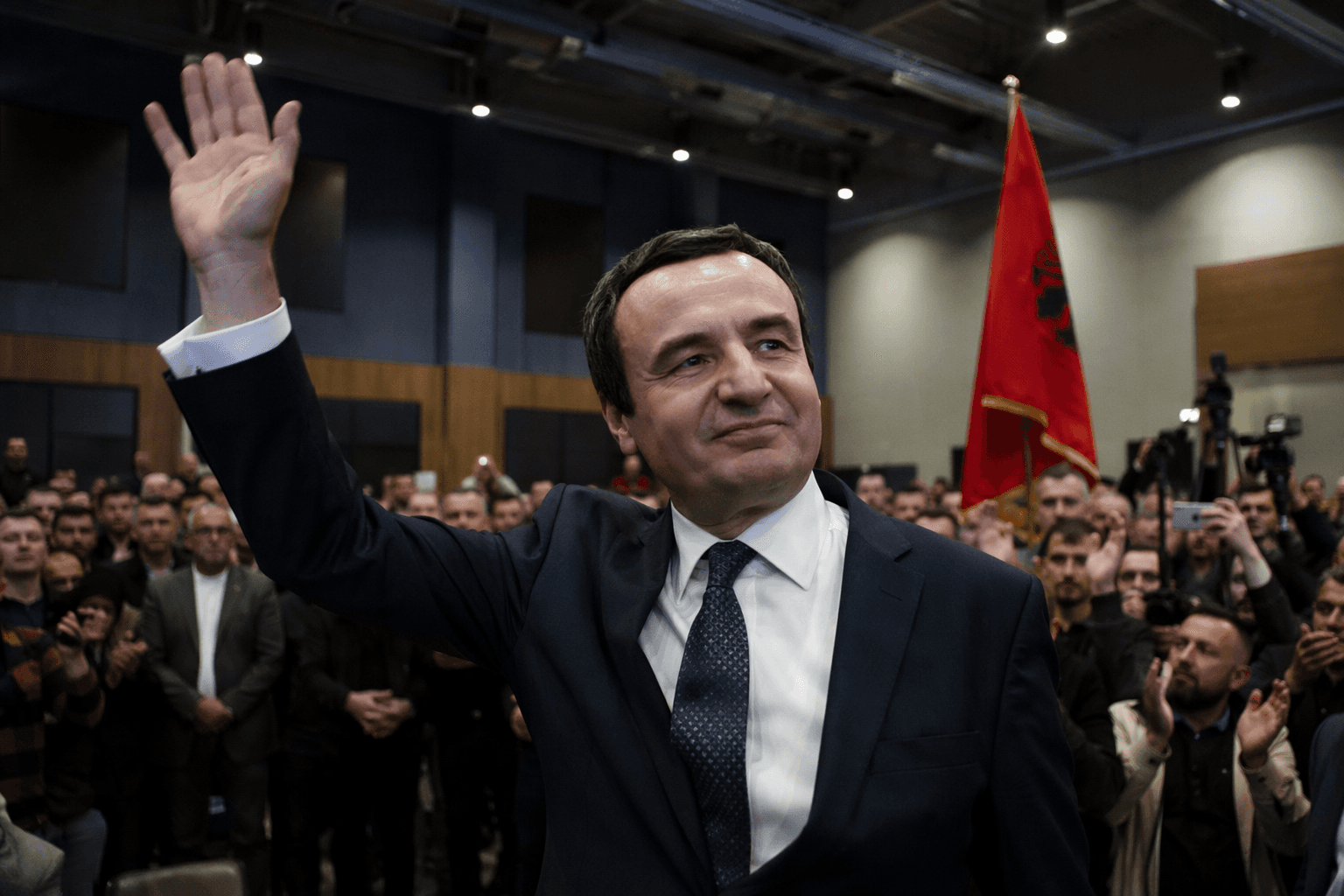
Kurti’s party was strong enough to keep him at the center of the next round of talks, but not strong enough to govern without partners. That leaves coalition bargaining as the decisive test, not just for cabinet formation but for whether Kosovo can restore basic institutional functionality. A Kurti-led government was approved on February 11, 2026, in a 66-49 vote after more than a year of deadlock, but it immediately faced pressure over the 2026 budget, international loans, and reforms to health and education. The new vote has reopened the same question: can any coalition assemble the numbers needed to keep parliament working long enough to govern?
The stakes extend far beyond party maneuvering. Kosovo wants to move closer to the European Union, yet Brussels has warned that delayed institution-building and political paralysis have slowed EU-related reforms. The European Commission said in its 2025 enlargement package that cross-party cooperation and a reprioritization of reforms are needed to get Kosovo back on track, while the EU’s Growth Plan for the Western Balkans includes a €6 billion Reform and Growth Facility for 2024-2027. Without a functioning majority, that money and the reforms it is meant to support risk moving slowly.
The wider diplomatic picture is no easier. Under the 27 February 2023 EU-facilitated agreement, Serbia said it would not block Kosovo’s path to international membership and both sides committed to continue normalization talks. But the Commission reported in 2025 that domestic political preoccupations in both Kosovo and Serbia were hindering implementation. Before the vote, European Council President Antonio Costa pressed Kosovo to end the stalemate, saying, “the EU can support Kosovo but cannot do Kosovo’s own homework.” For one of Europe’s youngest and poorest states, the test now is whether electoral victory can be translated into durable institutions.
This article was produced by Prism’s automated news system from verified source data, official records, and press releases, then run through automated quality and moderation checks before publishing. The system is built and supervised by the people who set the standards it runs under. Read our full AI policy.
Know something we missed? Have a correction or additional information?
Submit a Tip