Vietnam shifts toward fiscal stimulus as growth target pressures mount
Vietnam is leaning on budget spending, not rate cuts, as officials chase 10% growth while inflation and trade risks narrow the central bank's room.
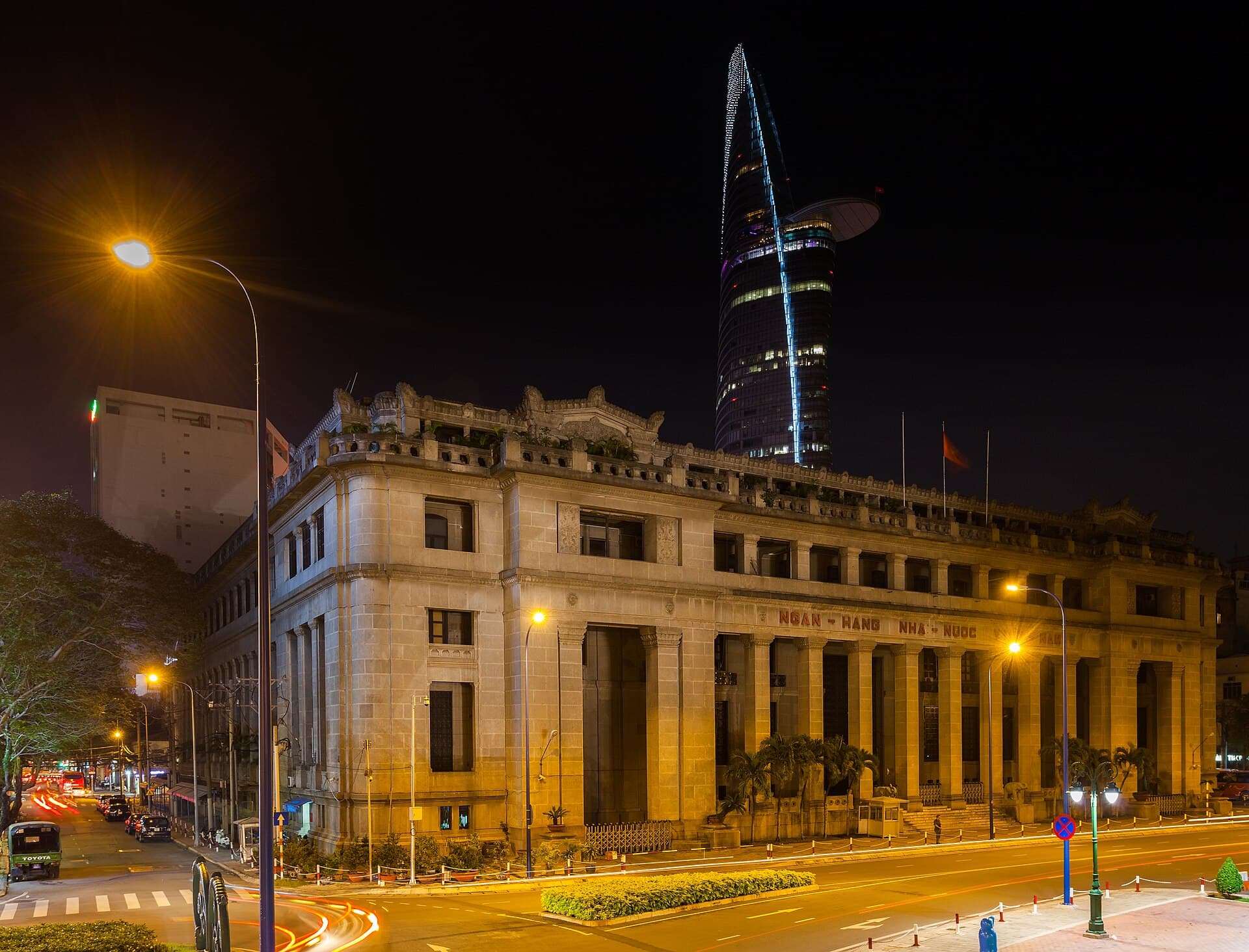
Vietnam is shifting its growth playbook toward the budget as pressure builds on the State Bank of Vietnam to preserve stability. Deputy governor Pham Thanh Ha said the country would lean toward expansionary fiscal policy because the room for monetary policy was narrowing, a sign that officials are becoming more cautious about using credit and rate support to force faster growth.
That caution comes as Hanoi pursues an unusually ambitious 2026 target. The National Assembly of Vietnam approved a plan on November 13, 2025 calling for GDP growth of 10% or higher, inflation, measured by the consumer price index, of 4.5%, GDP per capita of US$5,400 to US$5,500, and labor productivity growth of about 8.5%. Ha said the banking sector still needs to mobilize and allocate financial resources efficiently, but he stressed that macroeconomic stability and inflation control remain the priority. The message is clear: officials want growth, but not at the cost of price pressure or a weaker currency.
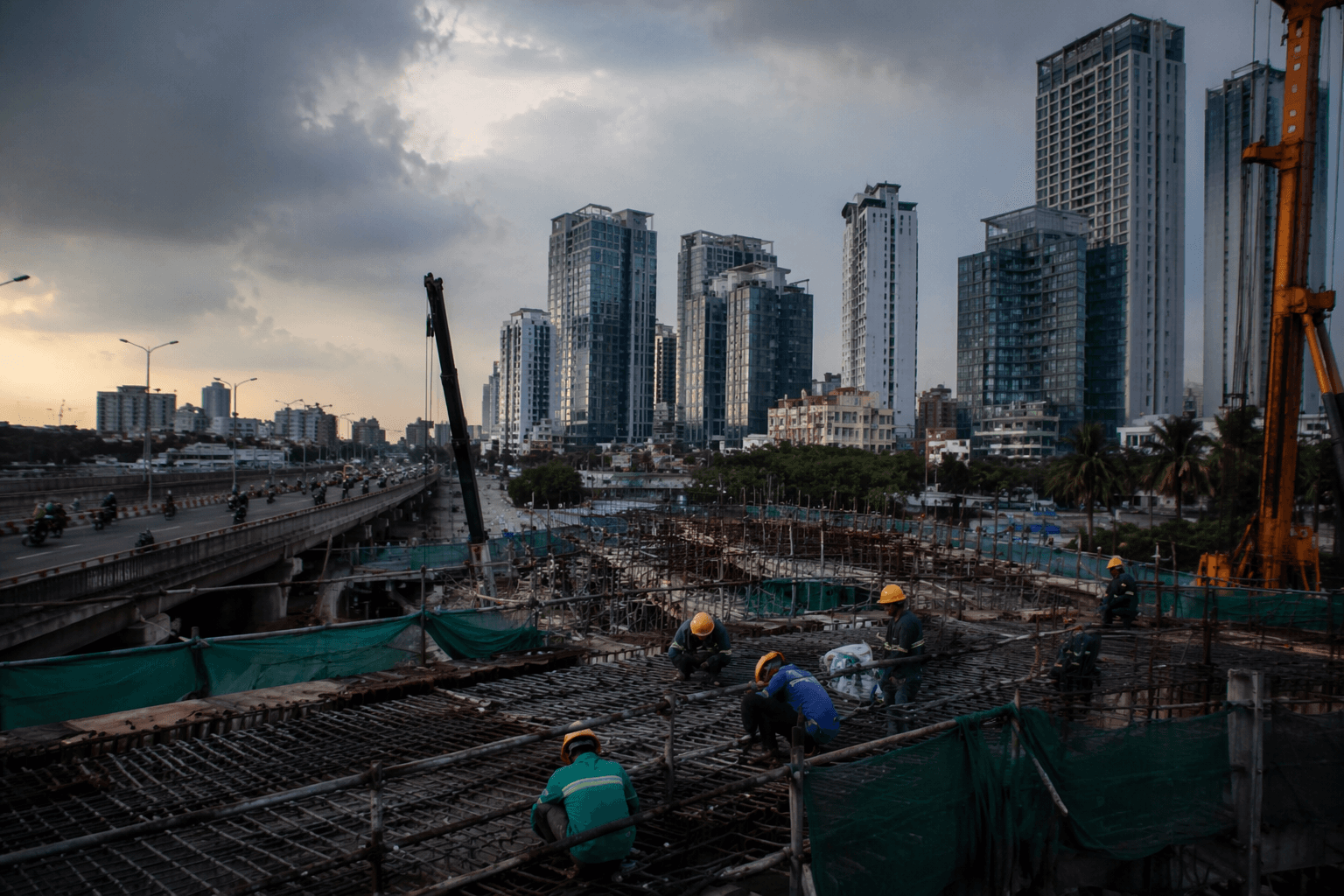
The tension is already visible in the credit data. Bank lending rose 3.83% from the end of last year through April 21, still well below the full-year credit-growth target of 15%. That gap suggests the authorities are keeping monetary support available, but are reluctant to push it hard enough to trigger larger imbalances. Inflation has accelerated, and the trade deficit widened to a record high in May as Vietnam felt pressure from the Iran war, adding to concerns that easy money could do more harm than good.
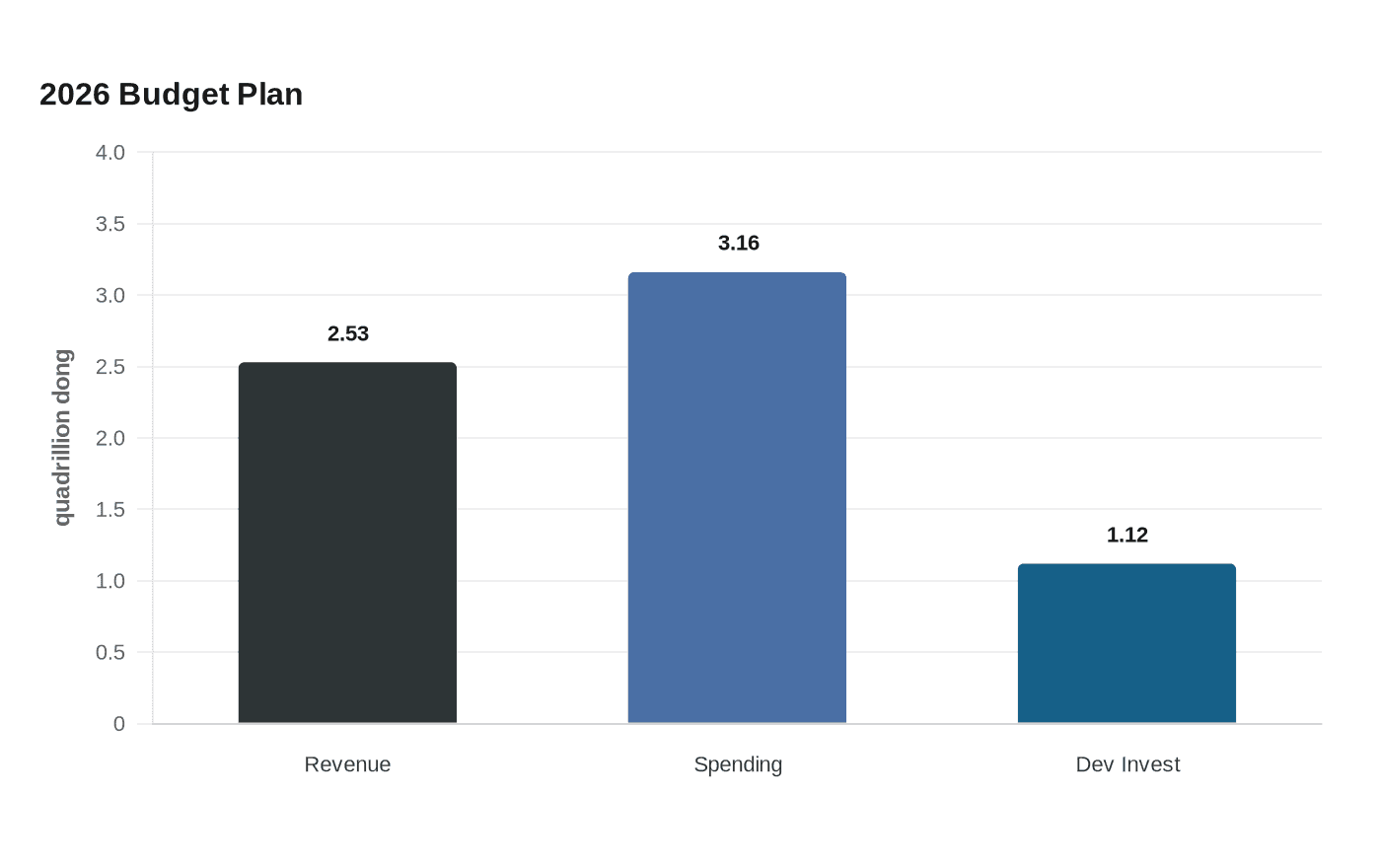
Fiscal policy is now set to carry more of the burden. The Ministry of Finance's draft 2026 state budget targeted revenue of nearly 2.53 quadrillion dong, or US$96.1 billion, total spending of 3.16 quadrillion dong and development investment of 1.12 quadrillion dong. Those figures point to a larger role for government spending on infrastructure and other budget-led measures as the state tries to support domestic demand without leaning too heavily on bank credit. In late-2025 planning, the ministry framed 2026 as a pivotal year in the 2026 to 2030 period, underscoring how central next year is to the country's medium-term ambitions.
The shift reflects a broader limit on what monetary policy can do right now. Rising global prices, exchange-rate risks and the prospect of renewed trade deficits have narrowed the central bank's options, even as Vietnam tries to sustain one of Southeast Asia's fastest-growing economies. For businesses and investors, the policy mix now points to more state-led stimulus, but also to a tighter line between support for growth and the risks of overheating.
This article was produced by Prism’s automated news system from verified source data, official records, and press releases, then run through automated quality and moderation checks before publishing. The system is built and supervised by the people who set the standards it runs under. Read our full AI policy.
Know something we missed? Have a correction or additional information?
Submit a Tip