Kuwait accuses Iranian IRGC members of armed raid on Bubiyan Island
Kuwait said six armed IRGC members landed on Bubiyan Island, traded fire with soldiers and left one official wounded. The case has widened fears that one border raid could inflame Gulf tensions.
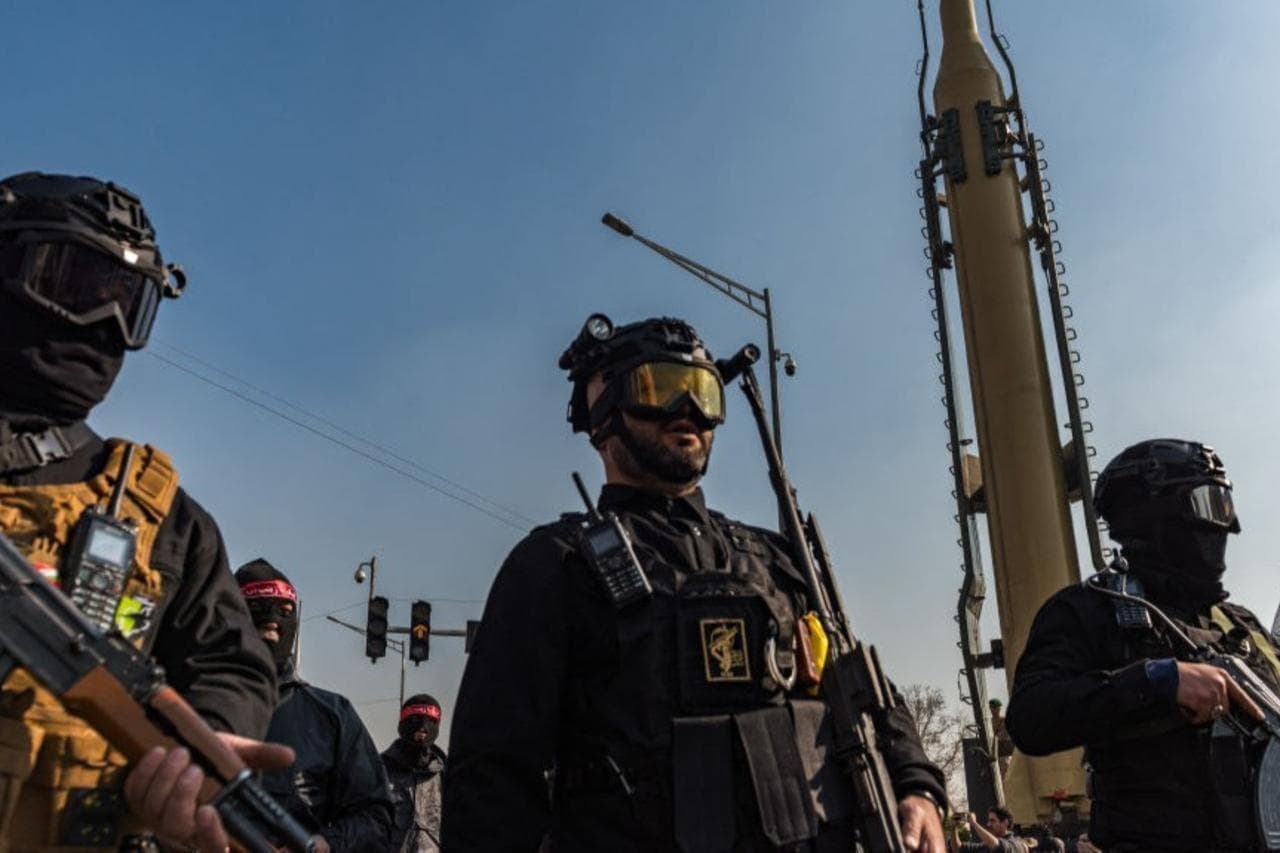
Kuwait said six armed men linked to Iran’s Islamic Revolutionary Guard Corps landed on Bubiyan Island by rented fishing boat on May 1, exchanged fire with Kuwaiti soldiers and wounded one security official in a confrontation that has sharpened fears over the Gulf’s already brittle security climate. Four of the men were detained and two escaped, turning a single island incident into a diplomatic and strategic test for Kuwait, Iran and the wider shipping corridor that runs past the Strait of Hormuz.
Kuwaiti authorities later said the detainees confessed during interrogation that they belonged to the IRGC and had been tasked with hostile operations inside Kuwait. Kuwaiti reports identified them as Amir Hossein Abdolmohammad Zaraei, Abdolsamad Yedaleh Ghanavati, Ahmad Jamshid Gholamreza Zolfaghari, Mohammad Hossein Sohrab Foroughi Rad, Mansour Qambari and Abdulali Kazem Siamri, and described them as military officers with naval and army ranks. The ministry’s account presents the raid as a deliberate infiltration, not a chance crossing, but the escape of two suspects leaves open key questions about the chain of command, the intended target and whether the full operation has been contained.
On May 12, Kuwait’s foreign ministry summoned Iran’s ambassador and delivered a formal protest note, condemning the incident as a hostile act and saying it violated Kuwait’s sovereignty, international law, the UN Charter and United Nations Security Council Resolution 2817 of 2026. The ministry said Kuwait reserved its right to defend itself under Article 51 of the UN Charter. That language signaled that Kuwait intends to frame the episode not as a criminal case alone, but as a matter of national defense with possible regional consequences.
Bubiyan’s importance goes well beyond one skirmish. The island hosts the Mubarak Al Kabeer Port project, a Chinese-backed development tied to Kuwait’s cooperation with Beijing under the Belt and Road Initiative. Kuwaiti officials have described the site as a safe corridor and commercial center, and its location in the northwest corner of the Persian Gulf, near Iraq and Iran, places it close to major Gulf shipping lanes. Any armed incident there raises the risk that a local security breach could be read as a broader challenge to maritime order.
The confrontation also lands in a relationship already strained by earlier Kuwaiti moves to shutter the Iranian cultural mission and reduce the number of Iranian diplomats after a separate Iran-linked security case. That history matters because it shows how quickly Kuwait and Iran can move from quiet suspicion to formal rupture. If incidents on islands and coasts begin to be treated as proxy confrontation, the political cost could spread far beyond Bubiyan, complicating shipping security, regional diplomacy and already tense Gulf-Iran relations.
This article was produced by Prism’s automated news system from verified source data, official records, and press releases, then run through automated quality and moderation checks before publishing. The system is built and supervised by the people who set the standards it runs under. Read our full AI policy.
Did this article answer your question?


