Kuwait Airport Fire, US Troops Mobilize Amid Escalating Middle East Crisis
Drones hit a fuel tank at Kuwait International Airport, sparking a fire with no casualties reported, as the US military prepared to deploy at least 1,000 troops from the 82nd Airborne to the region.
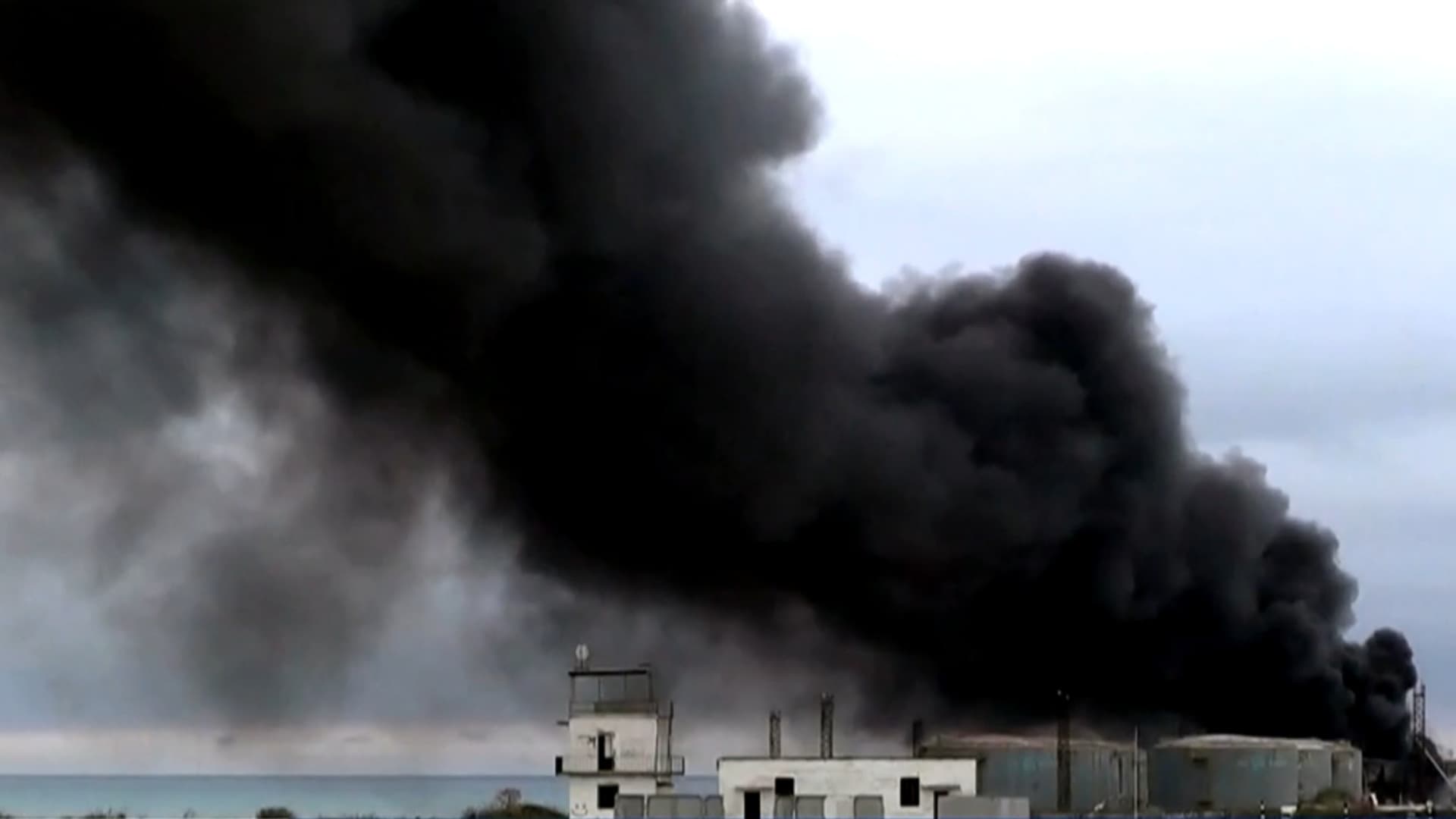
Drones struck a fuel depot at Kuwait International Airport early Wednesday, igniting a fire that firefighting crews rushed to contain, as the nearly four-week war between Iran and the US-Israeli coalition continued to ripple across the Gulf with mounting military deployments and diplomatic uncertainty.
Kuwait's General Civil Aviation Authority confirmed that Iranian drones targeted the fuel depot, triggering the blaze. Spokesman Abdullah Al-Rajhi told the Kuwait News Agency that initial reports indicated the damage was limited to material losses, with no casualties. Authorities said emergency procedures were activated immediately, with firefighting teams and relevant agencies responding to contain the blaze.
The airport has come under attack several times since the regional war began on February 28. On March 14, the civil aviation authority said an attack with "several drones" targeted the airport and struck its radar system. Drones had also hit fuel tanks there on March 8, and an earlier attack on a passenger terminal left several people mildly wounded.
Kuwait's air defenses were active across multiple fronts Wednesday morning. The Kuwait National Guard intercepted six drones early Wednesday, with firefighters working to bring the airport blaze under control, according to DGCA spokesman Abdullah Al-Rajhi. All relevant forces were deployed at the airport on the outskirts of Kuwait City; authorities did not provide information about the suspected attacker.
The drone pressure was not limited to Kuwait. Saudi Arabia's Defense Ministry said its air defenses intercepted several drones as well as a ballistic missile overnight. Al Jazeera reported separately that Saudi Arabia said it intercepted and destroyed 11 drones in its eastern region, without elaborating on the origin of the attack or any casualties. In Bahrain, the defense ministry reported that a Moroccan national working as a contractor with the armed forces was killed during a routine mission after an Iranian missile strike.
In Lebanon, the violence continued on a separate front. Israeli strikes have killed more than 1,000 people in Lebanon and forced over one million from their homes since the conflict escalated. On Wednesday, Lebanese state media, citing the Health Ministry, reported that four people were killed in an Israeli raid on the town of Adloun in the southern Sidon area, and two more died in a strike on an apartment in the Mieh Mieh refugee camp, leaving four others wounded.
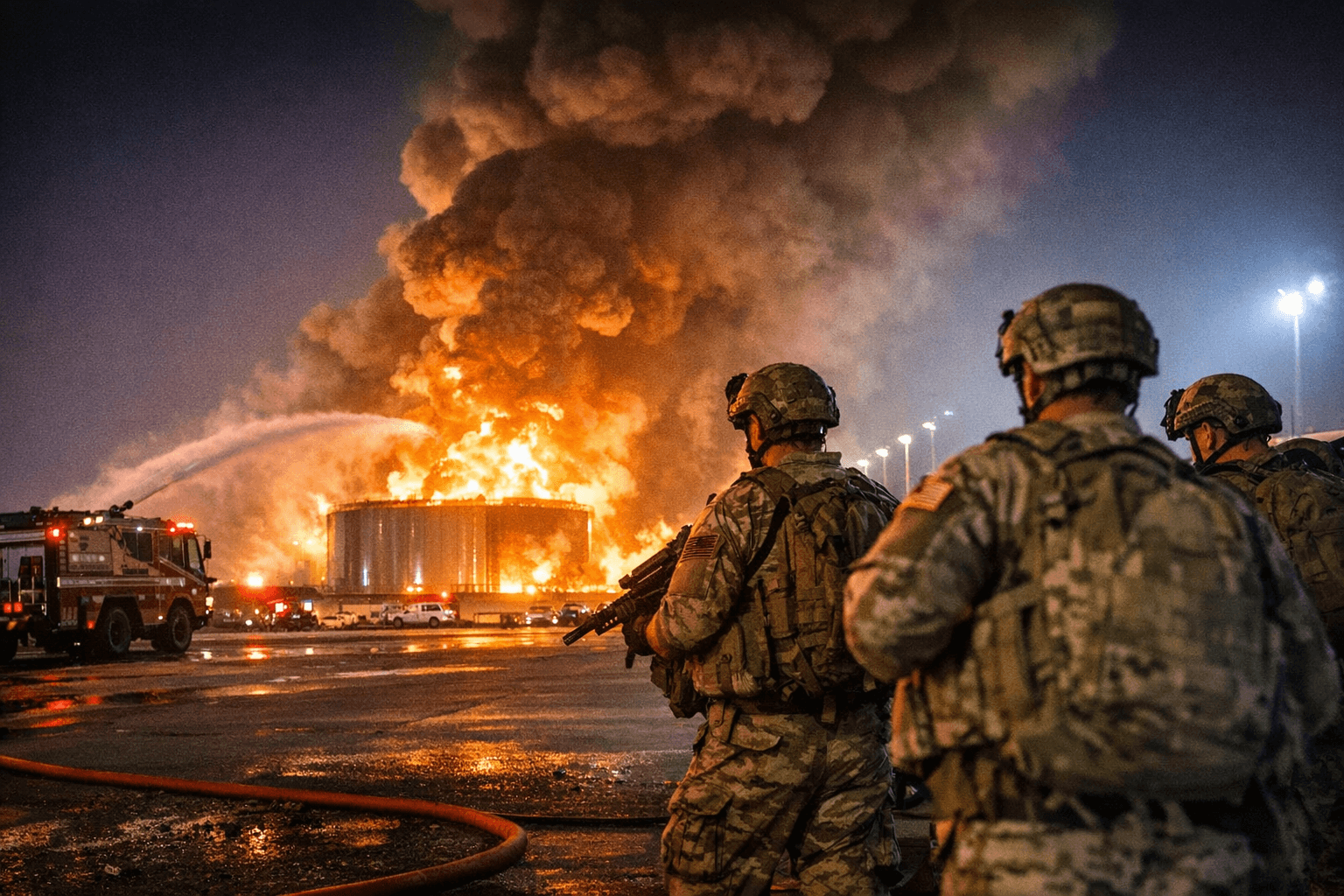
On the US military side, the deployment picture sharpened significantly. The U.S. military was preparing to deploy at least 1,000 troops from the 82nd Airborne Division to the Middle East in the coming days, according to three people with knowledge of the plans. The troops would include a battalion from the 1st Brigade Combat Team, along with Major General Brandon Tegtmeier, the division's commander, and division staff. The 82nd Airborne Division made a similar movement in 2020 after the killing of Iranian commander Qasem Soleimani.
The planned deployment comes as thousands of Marines are also moving to the Central Command region, where the U.S. military already has about 50,000 service members, in support of Operation Epic Fury, which has crossed into its fourth week. Military analysts said U.S. ground forces such as the 82nd Airborne would be considered only if Washington determines that objectives cannot be achieved through airstrikes, naval power, or diplomacy alone.
Diplomacy remains a contested thread. President Donald Trump said Monday that the US and Iran had reached 15 points of agreement in conversations to end the conflict, and that Iran would "very much" like to make a deal. Iran had previously denied there was any dialogue happening with the US, but on Tuesday, an Iranian source told CNN that there was "outreach" between the two countries and that Iran was willing to listen to "sustainable" proposals to end the war. Whether the 15-point framework would become a foundation for formal negotiations remained unclear, with reporting indicating uncertainty about how widely the proposal had been shared among Iranian officials.
Despite the continued barrage of drones across the Gulf, analysts noted that the volume and frequency of attacks had been decreasing, yet cautioned that "it does not take too many attacks to close airspace or cause disruptions," a concern that would continue to plague Gulf Cooperation Council countries caught in the conflict.
This article was produced by Prism’s automated news system from verified source data, official records, and press releases, then run through automated quality and moderation checks before publishing. The system is built and supervised by the people who set the standards it runs under. Read our full AI policy.
Did this article answer your question?