La Paz County Heritage Guide: La Paz Ghost Town, Ehrenberg, Parker
La Paz County’s river towns and mining sites anchor local heritage, shaping tourism, land access, and tribal‑county coordination that affect residents and visitors.
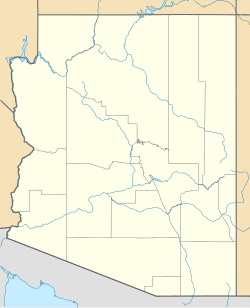
La Paz County’s historic places - the original town of La Paz, Ehrenberg, and Parker - form the spine of local heritage and carry immediate implications for land management, tourism and community stewardship. La Paz began as a Colorado River gold rush town in 1862 and now exists as an archaeological ghost‑town site with interpretive markers that document its boom‑and‑bust role in early river commerce. Ehrenberg retains riverfront features from its days as a busy river port and functions as the gateway at the I-10 crossing for travelers bound for the Parker Strip. Parker and the Parker Dam corridor preserve riverfront recreation, steamboat history and museums and tribal cultural sites, including heritage resources tied to the Colorado River Indian Tribes (CRIT).
The concentration of sites across multiple jurisdictions makes land access and stewardship a governance issue for La Paz County residents. Management responsibilities are split among federal agencies such as the Bureau of Land Management, Arizona state entities, tribal authorities and private landowners. That patchwork affects visitor safety, preservation enforcement and funding priorities. For residents planning civic engagement, policy levers include county budget allocations for signage and trail maintenance, intergovernmental agreements with CRIT, and coordination with BLM on interpretive infrastructure and emergency response in remote areas.
Practical considerations for visitors and locals are straightforward. Much historical terrain is remote - bring water, sun protection, reliable maps or GPS and expect limited cell service in parts of the county. Check land‑access rules with BLM, La Paz County offices and tribal authorities before crossing onto restricted or tribal land. Respect cultural sites; many locations are on or adjacent to tribal holdings and artifacts and ruins are non‑collectable. Winter and early spring are the most comfortable months for desert heritage trips; summer temperatures can be extreme.
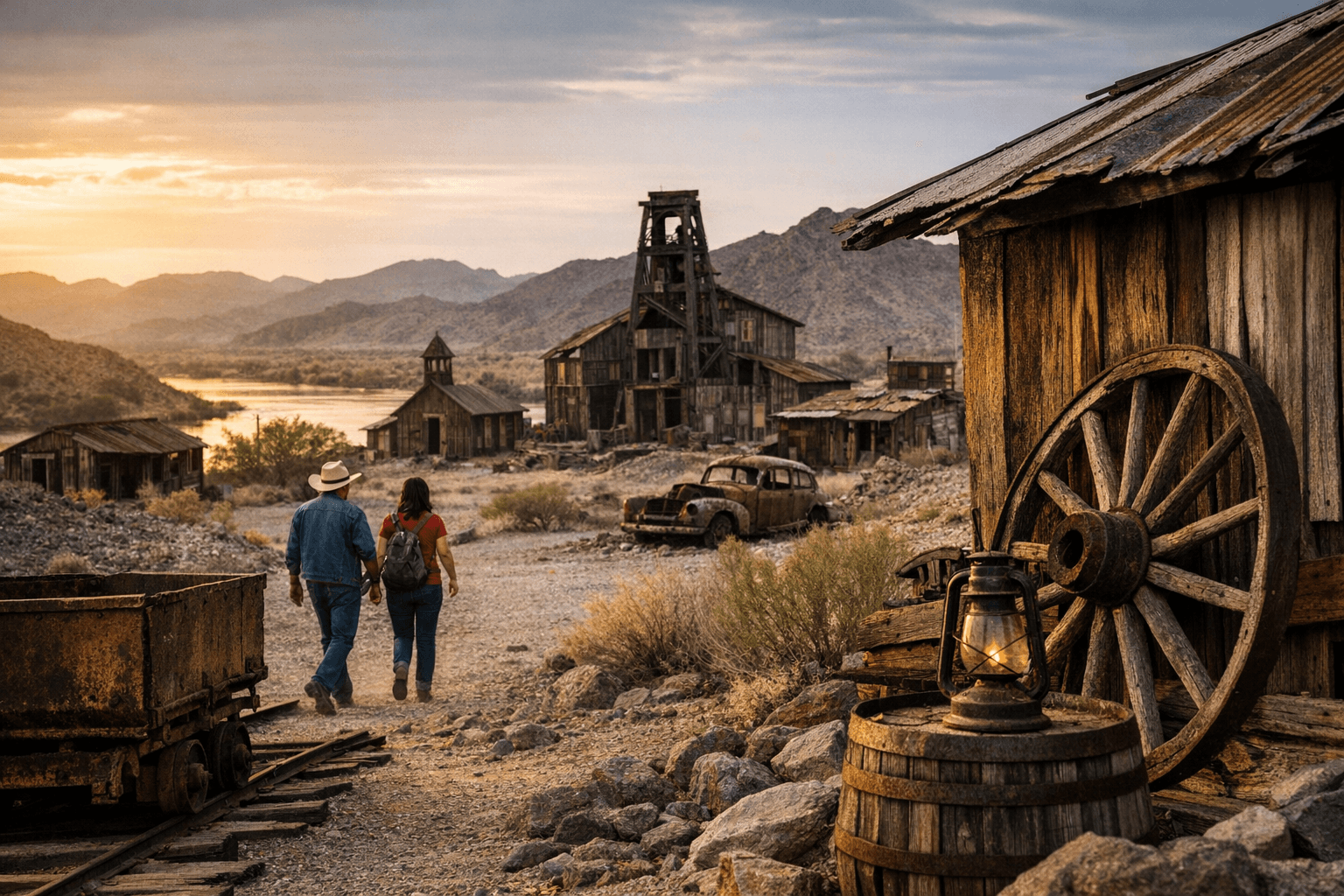
Mining history and collecting culture remain visible across La Paz County. Scattered historic mines and interpretive markers trace the early extractive economy, and Quartzsite’s longstanding rock and gem shows reflect regional geology and a continuing collecting heritage. Those attractions offer economic opportunity for small businesses in Ehrenberg, Parker and Quartzsite, but they also increase pressure on fragile sites and require clear management plans and visitor education.
La Paz County faces a policy choice in balancing tourism development and preservation. Investing in signage, emergency infrastructure and collaborative agreements with CRIT and federal agencies can increase safe access while protecting archaeological resources. For residents, landowners and elected officials, the near term task is aligning county planning with tribal and federal partners to turn heritage assets into sustainable local benefits. Planning visits responsibly and engaging with county meetings on land‑use and cultural preservation will shape how La Paz County’s river towns are preserved and used in the years ahead.
Sources:
Know something we missed? Have a correction or additional information?
Submit a Tip