La Paz County Issues Practical Guide to Colorado River Recreation
La Paz County has compiled a local guide outlining access points, safety practices, and seasonal planning advice for recreation on the Colorado River and in the Parker and Lake Havasu corridors. The information matters to residents and visitors because many launch sites are remote, emergency services are concentrated in a few towns, and weather and seasonal traffic affect safety and service availability.
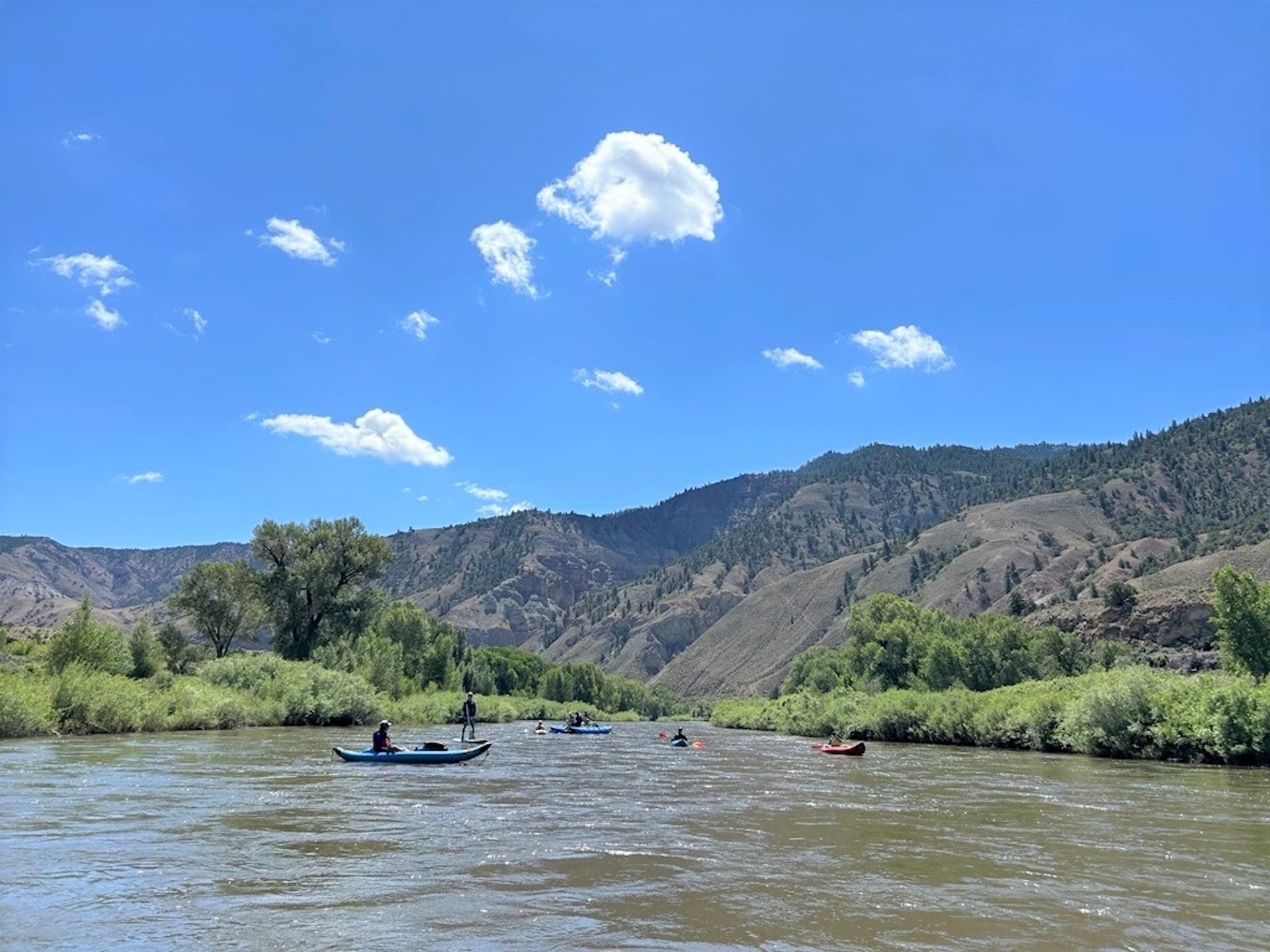
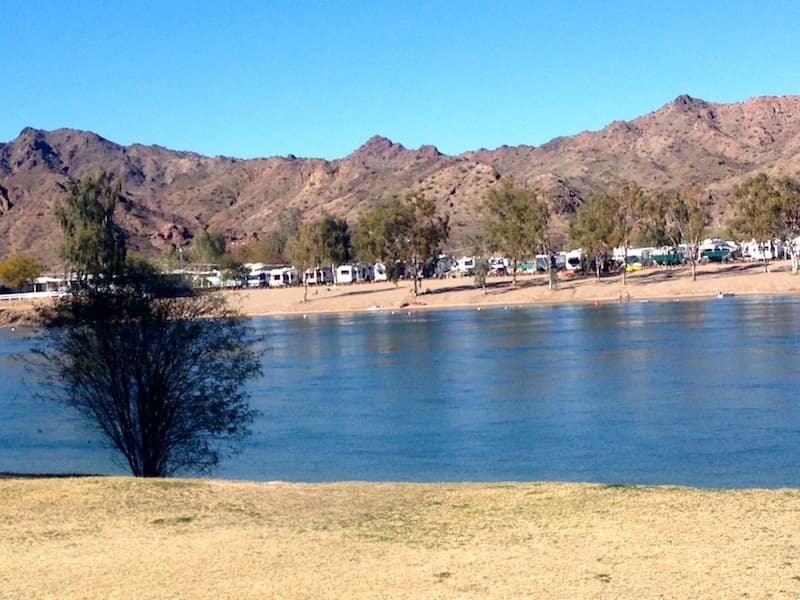
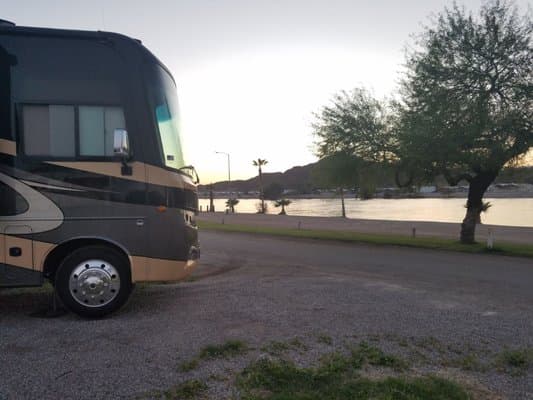
La Paz County is highlighting key access points and safety considerations for river recreation along the Colorado River, with a particular focus on the Parker and Lake Havasu corridors. The county notes that public launch and access locations include Parker riverfront boat ramps and marinas, several launch areas in Ehrenberg on the western end of the county, and multiple county managed ramps and day use sites. These locations serve private boats and small craft and form the backbone of local recreation and tourism activity.
The guide emphasizes routine planning steps that can reduce risk for boaters and anglers. Visitors are urged to check water levels and current conditions before launching and to bring life jackets for every passenger. The county also calls attention to the need to know where fuel, repair, and emergency services are located because primary services within the county are available in Parker and Quartzsite. Anglers must follow posted rules for fishing licenses and species regulations, and everyone should pack adequate water, shade, and supplies since some county recreation areas can be remote.
Seasonal conditions substantially affect access and safety. Summer temperatures can be extreme, prompting county recommendations to plan early morning outings. Winter months attract visitors and seasonal residents often called snowbirds, increasing demand for ramps and marina services. The guide notes that some private marinas and businesses adjust hours seasonally, which can affect fuel and repair availability for boaters.

Beyond practical tips, the guide highlights policy and institutional questions that matter to La Paz County voters and stakeholders. County supervisors and municipal leaders determine budgets and maintenance priorities for ramps, day use sites, signage, and emergency response capacity. The concentration of services in a few towns underlines the need for planning and possible investment in emergency access and visitor information. Civic engagement by residents can influence how the county allocates resources for safety education, search and rescue support, and infrastructure upkeep.
For local recreational users and the communities that depend on river tourism and outdoor access, the guide is a reminder that individual preparedness and public policy both shape safety outcomes. Residents should monitor posted conditions, consult county resources before trips, and participate in local budgeting and planning processes that affect river access and services.
Know something we missed? Have a correction or additional information?
Submit a Tip