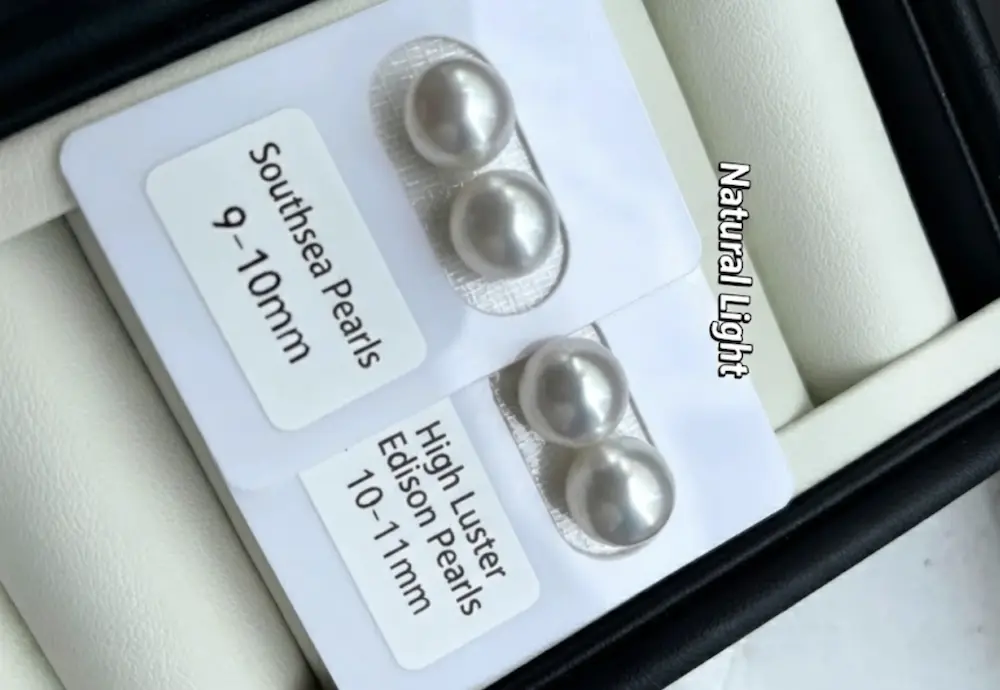
Lab-Grown Pearls Chemically and Structurally Comparable to Natural, Cultured Pearls
An MSN explainer published within the last seven days says lab-grown pearls are "presented as chemically and structurally comparable" to nacre-bearing pearls “…produced by m.” Have you bought a lab-grown pearl? Tell us what you paid.
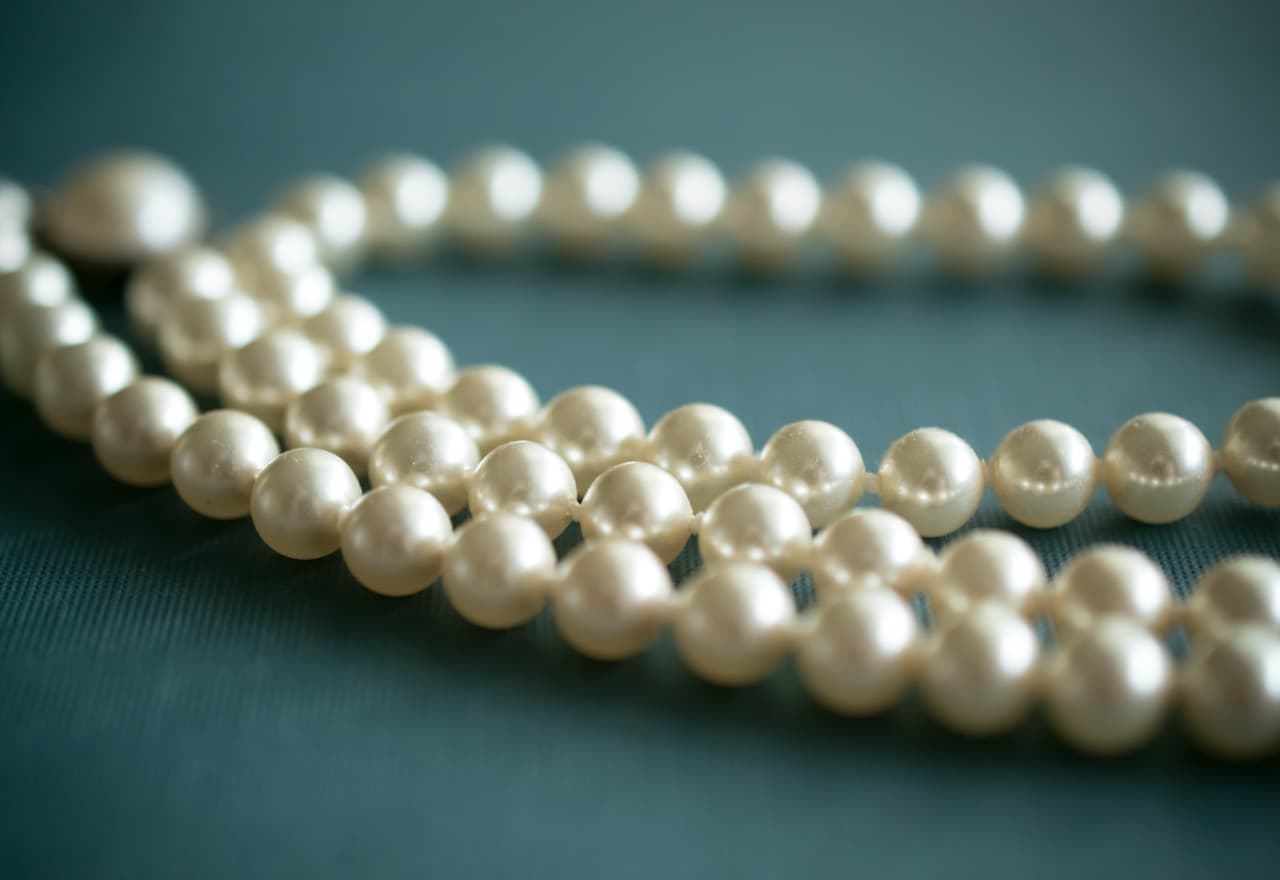
An MSN explainer published within the last seven days frames lab-grown pearls as "presented as chemically and structurally comparable" to nacre-bearing pearls, quoting a fragment that ends “…produced by m,” a truncation that highlights a key technical claim now in public circulation. That characterization, repeated in industry conversations since the piece appeared, shifts the debate over what counts as a "real" pearl at a moment when lab-grown gems are reaching consumers.
Kamokapearls, speaking from a pearl-farming perspective, places that debate in historical context, noting that "When cultured pearls became available in the early 1900s there was pushback that these weren’t ‘real’ pearls, and that misconception remains today." Kamokapearls uses that history to define cultured pearls directly: "Cultured pearls are real, they are an introduced object (in our case a shell nucleus), covered in the same pearly, nacreous secretions as a naturally forming pearl."
On material comparability, Kamokapearls goes further, asserting that "Lab grown gemstones are identical, physically to naturally formed, mined gems." The MSN summary’s claim about chemical and structural comparability echoes that position, but neither the MSN summary nor the Kamokapearls excerpt supplied to this report includes independent laboratory data comparing chemical composition or nacre microstructure for lab-grown pearls versus cultured or natural pearls.
Market stakes are part of Kamokapearls' message. The company warns that "Like cultured pearls, lab grown gemstones hold less value than those that were naturally formed," and that "Their affordability makes them an even bigger threat to the mined gem industry." Kamokapearls also frames its own business position with an incomplete passage: "The lower value of lab gems is a good fit for Kamoka because our pearls, rather than the stones, are the focus [...]" The company further criticizes industry reporting, arguing "Lab grown gems are not perfect and we’re aware of this. The industry is not transparent, and most reports, likely including the Frost & Sullivan analysis, are biased."
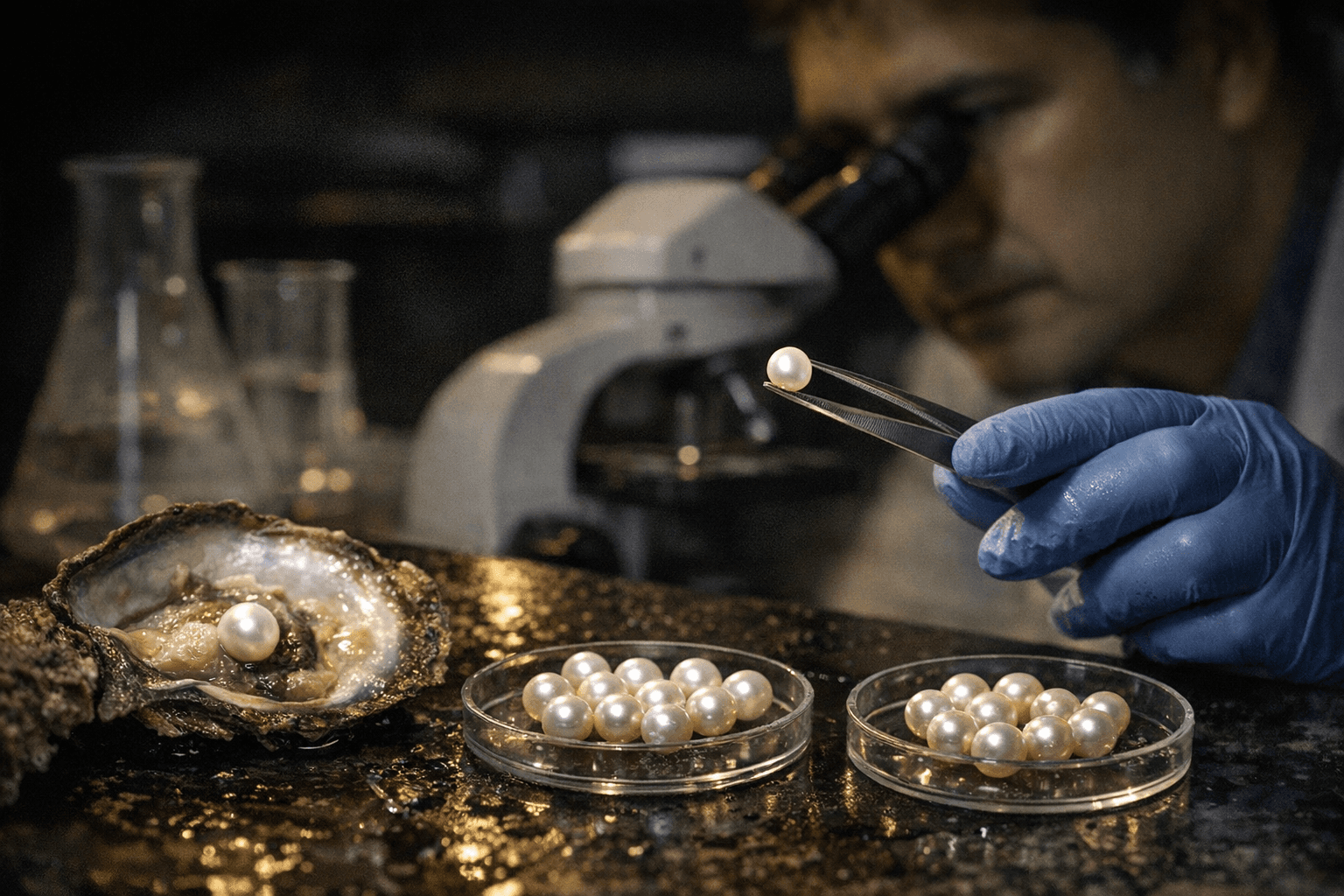
Environmental and labor impacts are central to Kamokapearls' account. The company states that "The harvest of naturally formed pearls is disastrous to the environment, like mining is to the Earth, decimating natural oyster beds and drastically changing ocean environments," and recalls historical abuse in the Tuamotu Archipelago where "locals still talk about how people suffered brain injuries or death from diving continuously to deep depths to harvest thousands of wild oysters on the bottom of the lagoon." At the same time Kamokapearls notes that "Lab grown gemstones also require significant energy to produce" while adding that "Many lab grown gem producers are working on using sustainable energy sources and developing ways to make the process less impactful." The company argues that "The farming of cultured pearls has helped bring back oyster beds and provides good, much needed jobs to islanders," and warns that "Reduced mining could cause many people (in Africa in particular), to lose much needed jobs in areas where few other opportunities are available ."
Looking forward, Kamokapearls offers a cautious optimism: "We’re only at the beginning of seeing how lab grown gems will change the gem and jewelry industry, but if pearl culture is anything to go by, it will have far more positive ramifications than negative." For now, the conversation rests on two recent public statements—the MSN explainer and Kamokapearls' company commentary—while independent lab analyses, the specific Frost & Sullivan material cited by Kamokapearls, and detailed energy or valuation data remain to be produced or publicly released. Have you bought a lab-grown pearl? Tell us what you paid.
Know something we missed? Have a correction or additional information?
Submit a Tip