Labour crisis deepens as senior figures turn on Starmer
Starmer was hit from three directions as Rayner, Streeting and Burnham exposed Labour’s rival power centres after its local-election collapse.
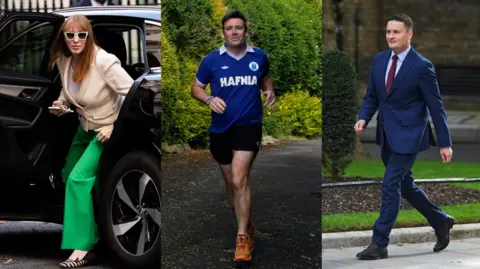
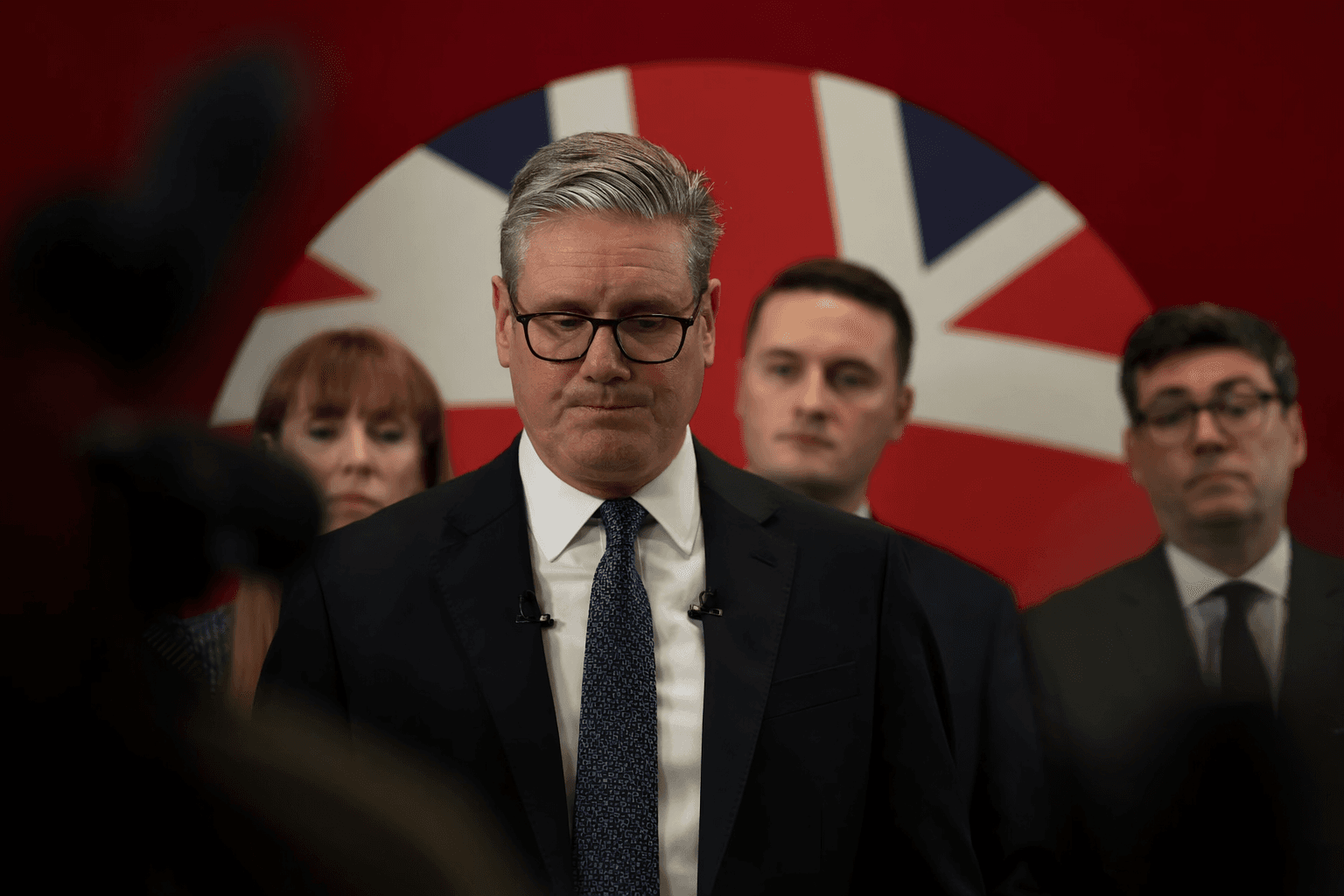
Keir Starmer faced a full-scale stress test of his authority as three senior Labour figures moved in quick succession to expose fault lines inside the party after its disastrous local election results. Labour lost more than 1,460 council seats and control of multiple councils, while Reform UK won 1,431 seats and took 14 councils, a result that intensified pressure on the prime minister and sharpened talk of a leadership challenge.
Angela Rayner set the tone with a blunt intervention on 10 May, saying Labour had suffered a “historic defeat” and warning that the party was “in danger of becoming a party of the well-off, not working people.” She argued that Labour had to change course and said “what we are doing isn’t working,” while also backing Andy Burnham’s return to Westminster. Her comments mattered because they reopened the question of whether the soft-left still had an alternative to Starmer. Rayner had resigned from the front bench in September 2025 amid an ethics investigation into her tax affairs, but reporting on 15 May said HMRC had cleared her of wrongdoing.
Wes Streeting then turned the pressure into open confrontation. After a 16-minute showdown with Starmer at No 10, he resigned as health secretary, saying he had “lost confidence” in the prime minister and attacking the “drift” in Downing Street. Streeting urged Labour to focus on “ideas” rather than “personalities and petty factionalism,” a line that widened the split between those demanding a reset and those demanding discipline. Some of his supporters believed he would stand in any leadership contest, and his departure immediately revived speculation that Labour’s internal balance of power was shifting.
Burnham emerged as the third and most potent challenge. Josh Simons, the Labour MP for Makerfield, said he would step aside so Burnham could seek election in the by-election needed to return to the Commons, a prerequisite for any leadership bid. Labour’s National Executive Committee later granted Burnham permission to enter the candidate selection process, after the party had previously blocked him from standing in the Gorton and Denton by-election earlier in 2026. No 10 said it would not try to block him again, although Labour sources said Burnham would still need to win the seat before any leadership challenge could begin.
The reactions inside Labour were as revealing as the interventions themselves. Jess Phillips warned Burnham to be “really careful of looking entitled,” while other Labour MPs backed his return to Parliament. Kemi Badenoch blamed “Labour’s chaos” for the Makerfield by-election, and Reform UK said it would throw “everything at” the seat, showing how quickly the internal crisis was spilling into electoral danger. Starmer called crisis talks with ministers and warned a leadership contest would “plunge us into chaos” and “destroy our country and our party,” before appointing James Murray as the new health secretary. The message from the day was clear: Labour’s problem was no longer just poor results, but a party struggling to keep its centre of gravity fixed around one leader.
This article was produced by Prism’s automated news system from verified source data, official records, and press releases, then run through automated quality and moderation checks before publishing. The system is built and supervised by the people who set the standards it runs under. Read our full AI policy.
Did this article answer your question?

