Labour rebellion deepens as more MPs call for Starmer to quit
More than 70 Labour MPs have called for Starmer to quit, after local-election losses and junior aide resignations exposed a widening revolt at the top.
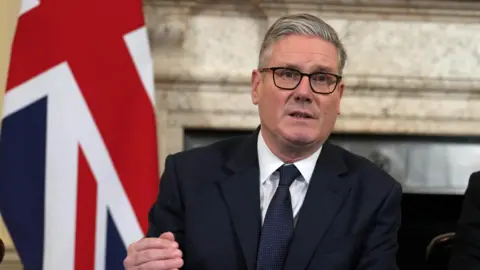
Sir Keir Starmer faced the sharpest challenge to his authority since entering Downing Street as more than 70 Labour MPs publicly called for him to resign, while several junior government aides stepped down from frontbench and parliamentary private secretary roles. The backlash accelerated after Labour’s poor showing in local elections on Thursday, May 1, 2026, when Reform UK made major gains and left Starmer’s grip on the party looking badly weakened.
The revolt was no longer confined to private grumbling inside the House of Commons. Catherine West called for Starmer to set a timetable for a leadership election in September, while other Labour MPs argued for an orderly transition rather than an immediate exit. One lawmaker captured the mood bluntly: “Confidence is lost. Voters have stopped listening.” The scale of the public criticism has turned what began as post-election frustration into a direct test of whether Starmer can still command his party.
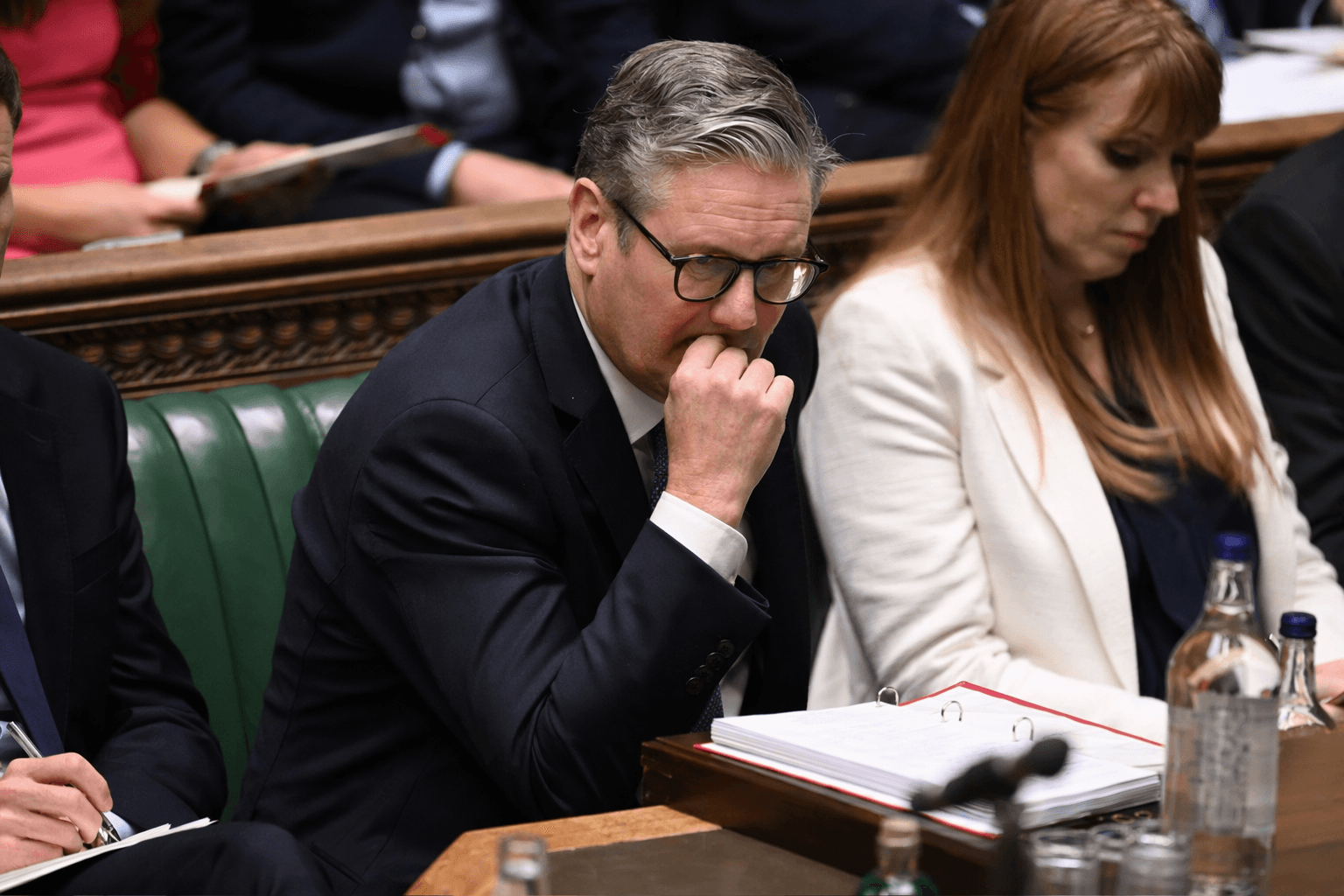
That pressure did not emerge in isolation. Even before the local-election losses, Starmer had faced internal tensions over spending and welfare plans that alienated parts of Labour’s base. The losses on May 1 sharpened those divisions and gave critics inside the party a public platform. The resignations of junior aides suggested that the unrest had spread beyond backbench complaints and into the machinery that supports the government day to day.
For the United States, the significance goes beyond Westminster drama. A prime minister fighting to hold his own party together has less room to manage trade talks, coordinate defense policy, or present a steady front on foreign affairs. Washington values continuity in London, especially on security issues and economic coordination, and a leadership crisis in Britain can slow decisions even when policy goals remain unchanged. If Starmer is forced into survival mode, the risk is not just to Labour’s standing in Britain but to the reliability of one of America’s closest diplomatic partners.

For now, some Labour MPs are still framing the moment as a managed transition rather than a sudden coup. But the rebellion has already become one of the most serious threats to Starmer’s leadership since he became prime minister, and the longer the public revolt continues, the harder it will be for him to present himself as a stable governing force at home or abroad.
Know something we missed? Have a correction or additional information?
Submit a Tip