Journal subpoenas spark new alarm over press freedom and Iran leaks
Subpoenas aimed at the Wall Street Journal over Iran-war reporting have renewed fears that leak probes could expose confidential sourcing across national-security coverage.
Federal subpoenas sent to the Wall Street Journal over its Iran-war reporting have sharpened alarm inside press-freedom circles, because the records sought were tied to a Feb. 23 article about Pentagon leaders warning that an extended military campaign against Iran could be dangerous.
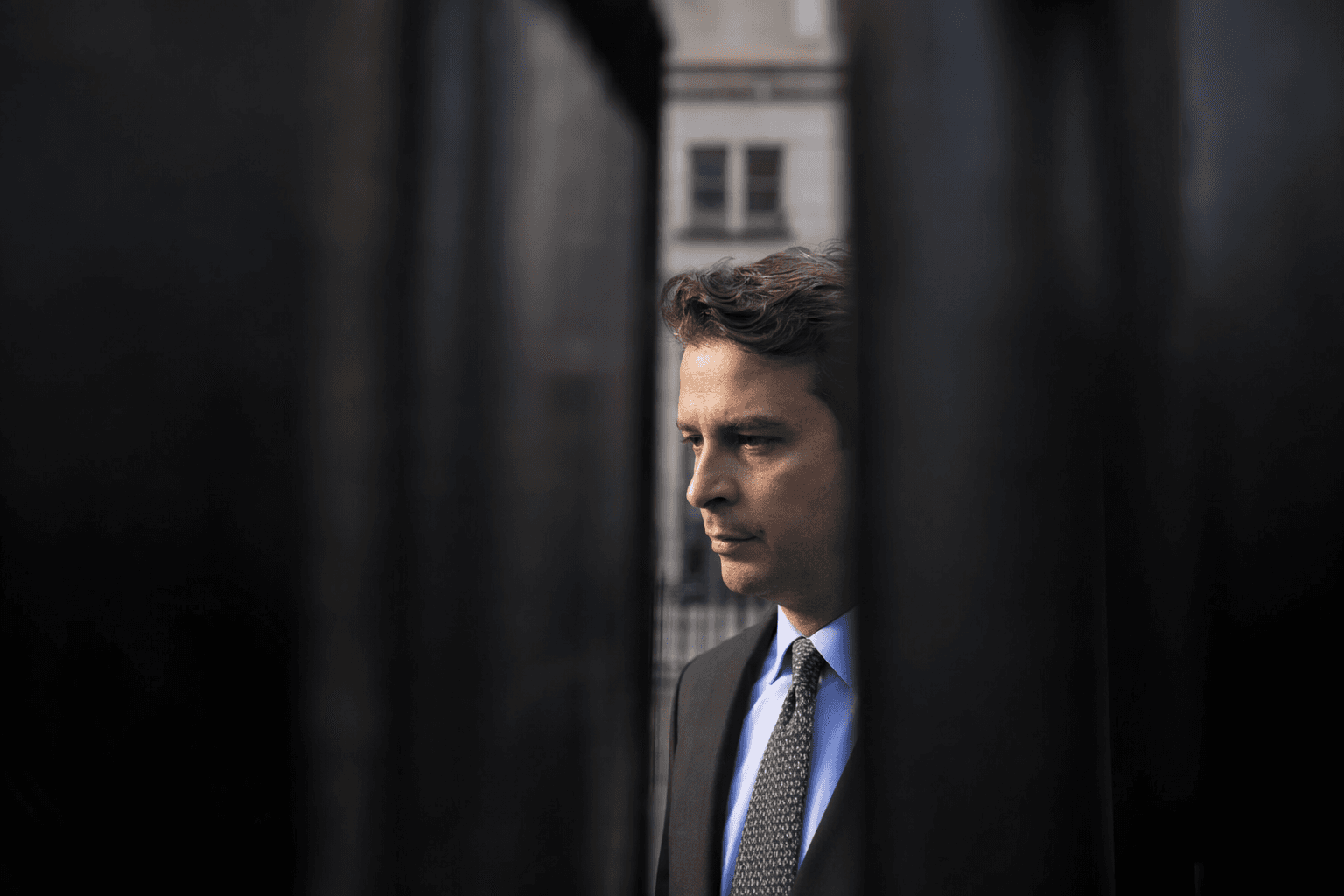
The case landed at a politically charged moment. Donald Trump had privately complained to acting Attorney General Todd Blanche about leaks to the press tied to the Iran war, and the subpoena followed soon after. Blanche, the 40th deputy attorney general, has already said the Justice Department opened a criminal investigation into a separate leak of classified intelligence information, reinforcing the impression of an administration taking a harder line on national-security leaks.
The Journal disclosure matters beyond one article because leak cases can force journalists to fight for source protection in court while navigating an active conflict involving Iran, Israel and the United States. The reporting at issue dealt with deliberations inside the government over the risks of military action in Iran, the kind of internal policy debate that often depends on confidential sourcing and can be difficult to cover without it.
Press-freedom groups say the stakes extend well past one newsroom. The Committee to Protect Journalists said it was monitoring press-freedom violations tied to the 2026 Iran war, while Reporters Without Borders has warned that Iran remains one of the world’s most repressive countries for journalists, with arbitrary arrests, harsh sentences, raids, financial pressure and communication restrictions. In a war zone already defined by access limits and safety threats, those pressures make independent reporting harder just as public scrutiny of U.S. military planning is most urgent.
The subpoena fight also fits a broader historical pattern in national-security leak investigations, where governments have sought journalists’ records in ways that advocates say can chill reporting across the industry. For reporters covering defense and foreign policy, the message is stark: when officials pursue leak investigations aggressively, the risk is not only to one source or one story, but to the willingness of insiders to speak and to the public’s ability to see how war is debated behind closed doors.
This article was produced by Prism’s automated news system from verified source data, official records, and press releases, then run through automated quality and moderation checks before publishing. The system is built and supervised by the people who set the standards it runs under. Read our full AI policy.
Did this article answer your question?