Labour revolt grows as 70 MPs demand Starmer resignation timetable
More than 70 Labour MPs are demanding a resignation timetable, pushing Keir Starmer from crisis management into an open fight over an orderly exit.
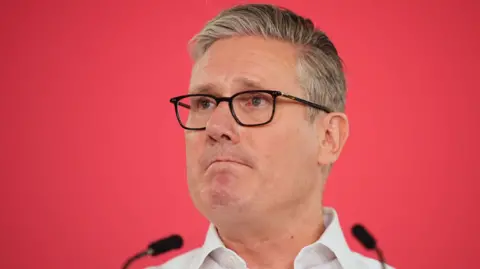
More than 70 Labour MPs have now gone beyond criticism and are demanding that Keir Starmer either resign immediately or set out a timetable to leave, turning the party’s post-election anger into a direct challenge to his authority.
The push follows Labour’s heavy losses in last week’s local elections, when the party lost more than 1,000 municipal seats and control of dozens of councils. In England, some tallies put Labour’s losses at more than 1,300 seats and 35 councils, while Reform UK surged to more than 1,350 seats and 13 councils, a result that underlined how quickly support has shifted in Labour’s traditional ground.
Starmer tried to steady the party in a Monday morning speech, taking responsibility for the losses and saying he would prove his “doubters” wrong. He refused to resign. That refusal, however, did not stop the rebellion from widening. By some counts 71 MPs had publicly urged him either to quit or to announce a departure timetable, while other reports put the number above 75.
The pressure has now reached the cabinet table itself. Reports named Home Secretary Shabana Mahmood as among the ministers urging Starmer to set out a timetable to go. Yvette Cooper and John Healey were also reported to have held talks in Downing Street on Monday night about Starmer’s future, a sign that the dispute had moved from backbench frustration to a wider question of control inside government.
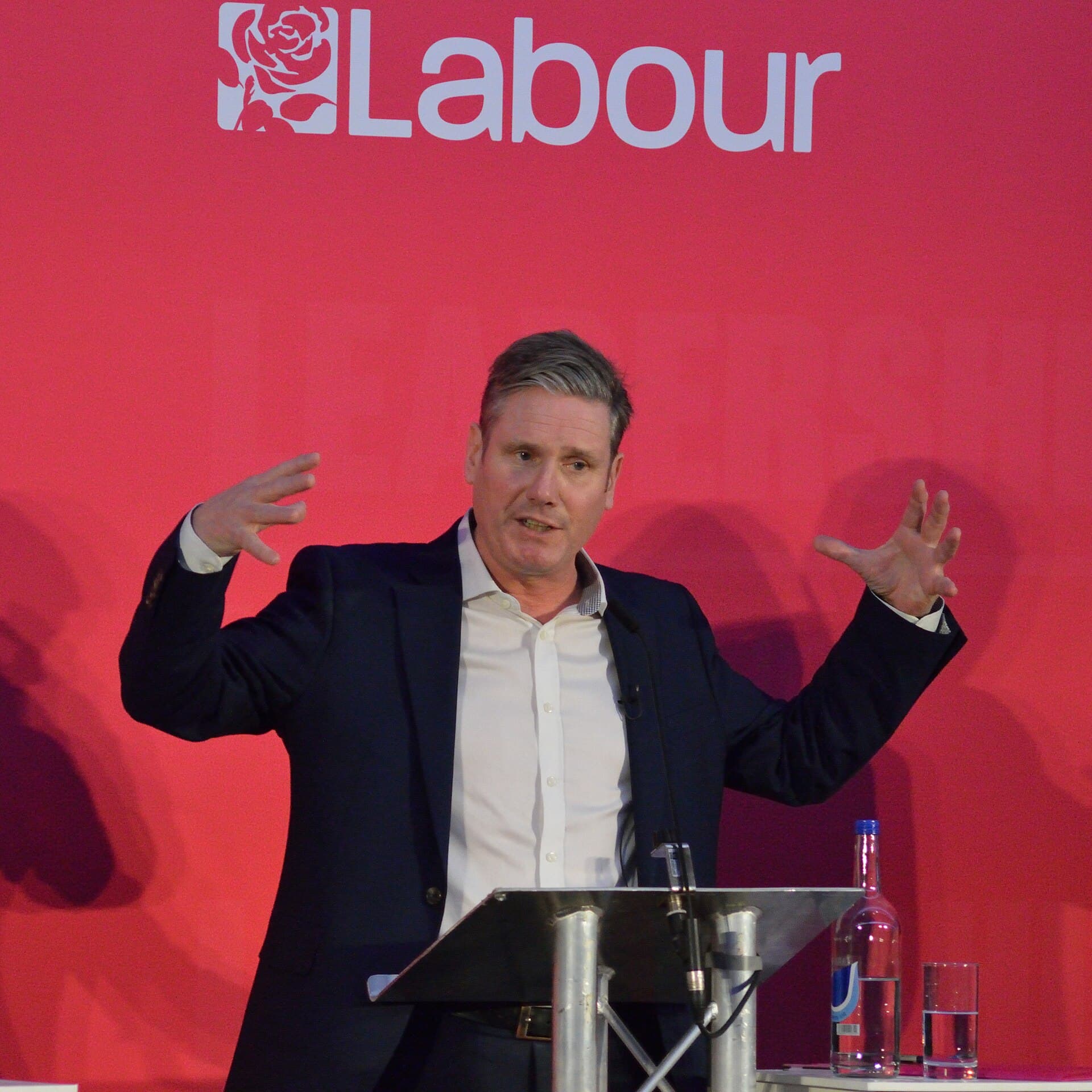
The fallout has also spread into the government machine. At least four ministerial aides resigned amid the crisis, and additional aides later joined the calls for Starmer to go. That makes the rebellion feel less like a burst of election-day anger and more like an effort to force an orderly exit from within Labour’s own ranks.
The scale of the losses has sharpened fears that Labour’s problems run deeper than a bad local election night. Early results showed the party pushed into third place in the Welsh Senedd behind Reform UK and Plaid Cymru, a particularly stark warning in a part of the UK where Labour has long depended on durable loyalty. Across England, Wales and Scotland, the results were described inside the party as a major blow in its heartlands.
Starmer has insisted he will stay on and fight, but the argument is now about whether he still commands the party or is merely managing the terms of departure. Like past Labour leadership crises, this one is no longer just about criticism. It is about who gets to decide how the ending is written.
This article was produced by Prism’s automated news system from verified source data, official records, and press releases, then run through automated quality and moderation checks before publishing. The system is built and supervised by the people who set the standards it runs under. Read our full AI policy.
Did this article answer your question?

