Labour suffers early council losses as Reform surges in English elections
Labour lost eight councils overnight as Reform took Newcastle-under-Lyme, while early counts showed a sharp shift away from the main parties.
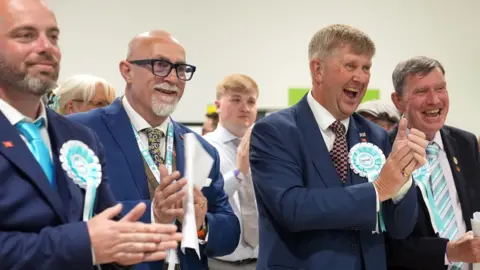
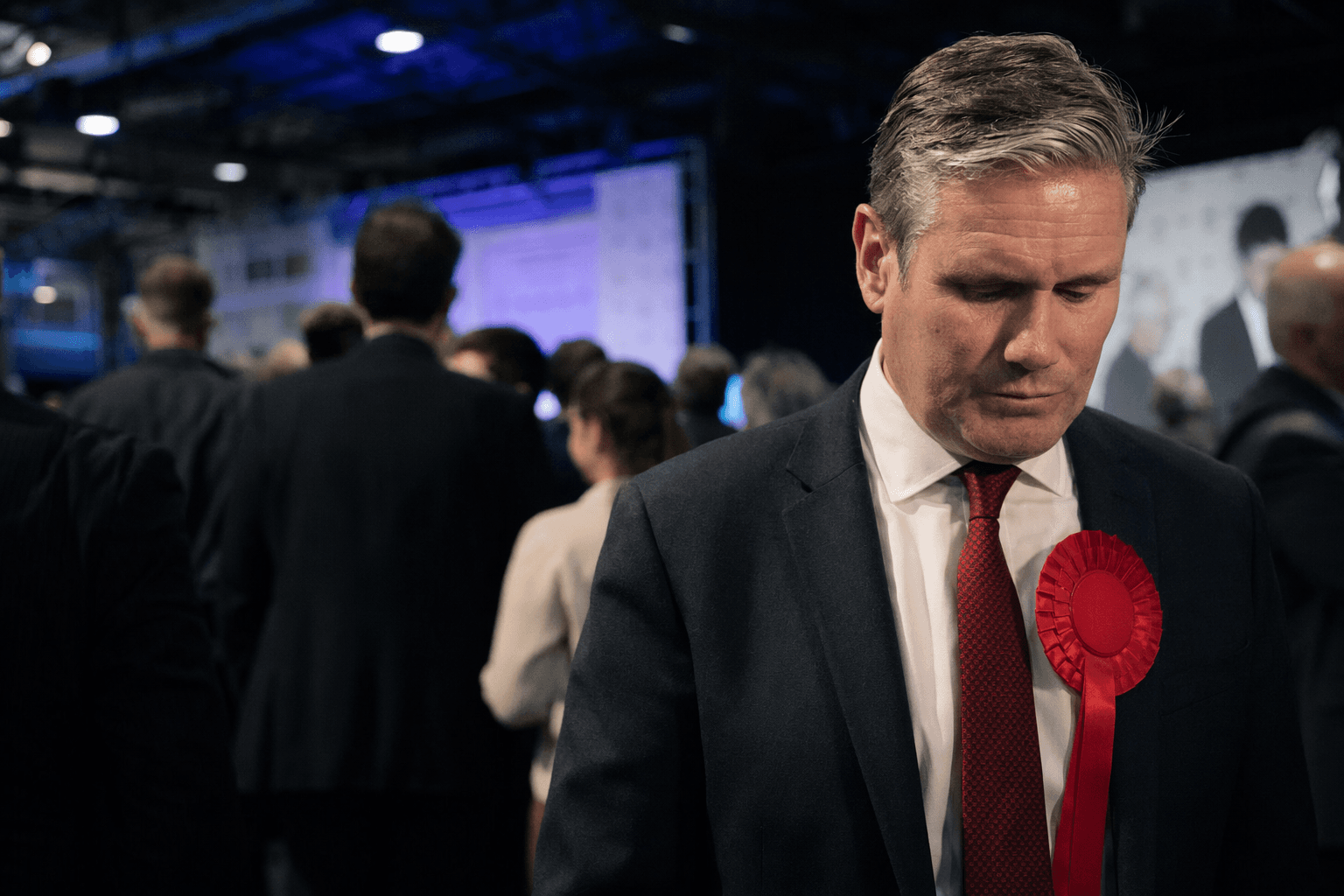
Labour lost control of eight councils as the first English local election counts pointed to a damaging night for Keir Starmer’s party and a breakthrough for Reform UK. By the time the early declarations landed, Labour had been pushed out of Hartlepool, Tamworth, Redditch, Tameside, Southampton, Wandsworth and Exeter, while Westminster City Council fell to the Conservatives and Reform took Newcastle-under-Lyme for its first council gain of the contest.
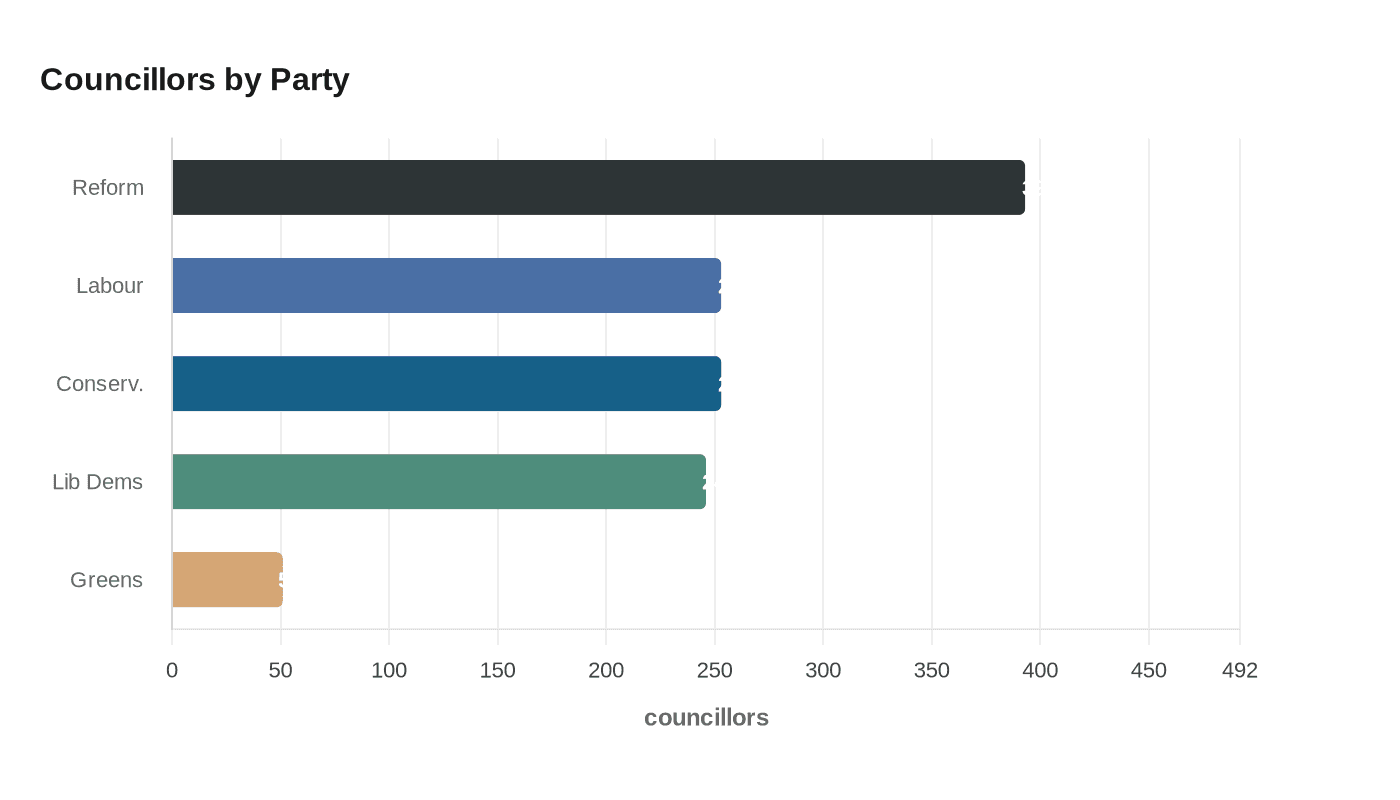
The scale of the vote makes the early pattern politically significant. England went to the polls for 5,066 council seats across 136 local authorities, alongside six directly elected mayors, with most of the council seats last fought in 2022. Counting had been completed overnight in 46 of the 136 English local authorities, leaving a large number of results still to come but already exposing an uneven picture for Labour and the Conservatives. Early figures showed Reform with 393 councillors, up 391, while Labour was on 253, down 257, and the Conservatives on 253, down 168. The Liberal Democrats had 246, up 35, and the Greens 51, up 27.
The first results suggested the clearest national momentum was not simply a series of local protests, but a broader shift in voter behaviour in places where Labour had been expected to defend ground. The party’s losses in councils such as Wandsworth and Southampton carried particular symbolic weight, while Reform’s gain in Newcastle-under-Lyme gave Nigel Farage’s party a concrete foothold in the count rather than just a share of the vote. The Greens also advanced in some places, underlining that the early results were not only a two-party story.
The wider electoral backdrop added another layer of uncertainty. Elections to the Scottish Parliament and Welsh Senedd were held on the same day, but counting for those contests was not due to begin until Friday morning. The local elections had also been clouded for months by postponement plans: the government invited 63 councils to raise capacity concerns and request delays, later confirming 30 postponements before withdrawing the scheme on 16 February after legal advice suggested it could be unlawful. The Electoral Commission had warned that the situation created “unprecedented” uncertainty. As the first English councils fell, the political message was already hardening. Green leader Zack Polanski said the country had clearly rejected Keir Starmer and called on him to go, while Labour councillor Phil Riley in Blackburn with Darwen said Starmer “has to go.”
Know something we missed? Have a correction or additional information?
Submit a Tip