Labour suffers historic losses as Reform surges in UK elections
Labour lost more than 1,000 council seats as Reform won hundreds and Eluned Morgan became the first UK head of government to lose her seat in office.
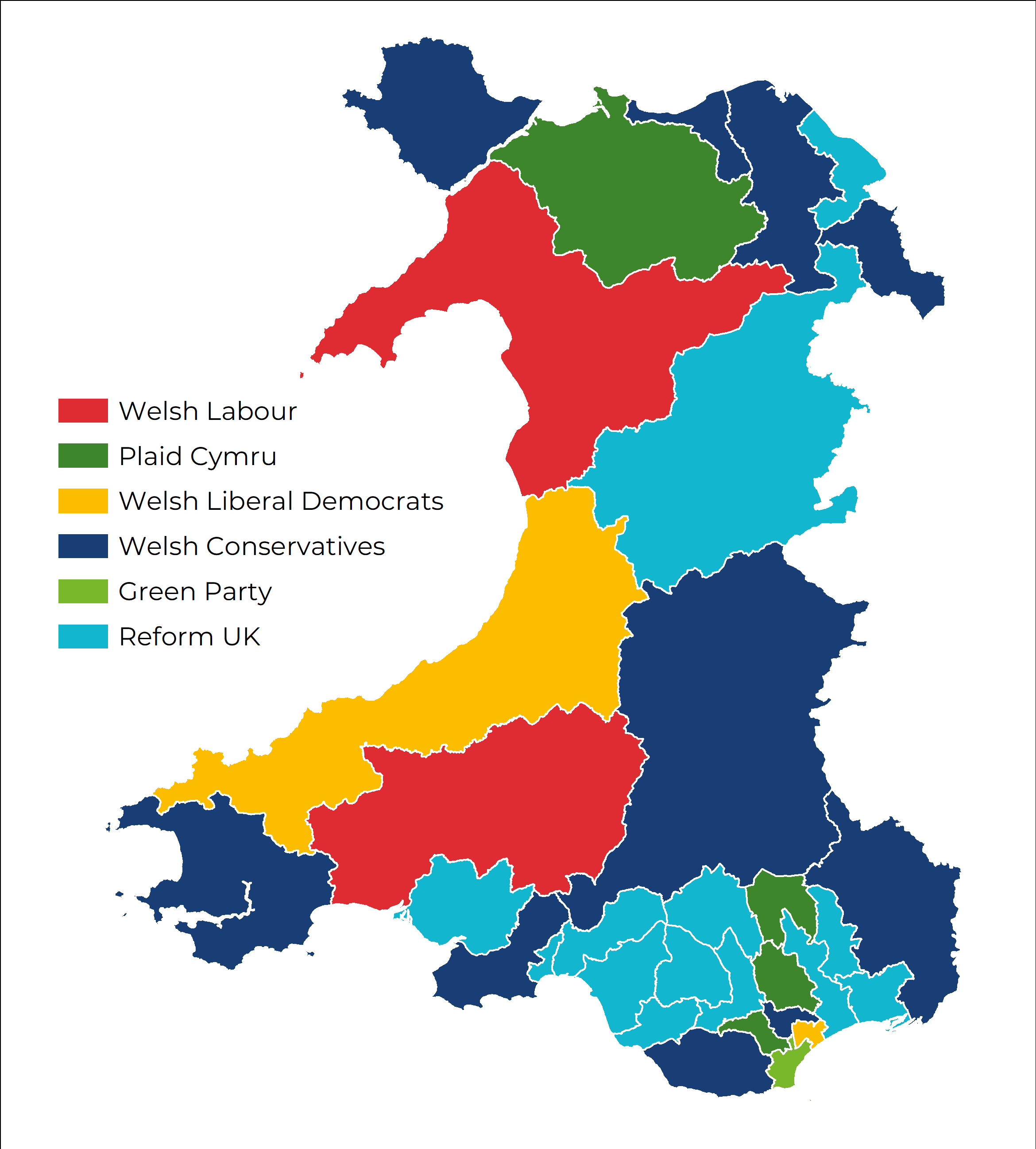
Labour was struck by a political shockwave across England and Wales as voters handed Keir Starmer’s party more than 1,000 municipal seat losses and propelled Reform UK into dozens of new footholds. The scale of the reversal, coming less than two years after Labour’s landslide general election victory in 2024, has intensified pressure on Starmer even as he insisted he would not resign and vowed to stay in office to “deliver change.”
The strongest message came from England’s local elections, where Labour was punished in traditional heartlands and in parts of London that had helped build its national coalition. Reform UK made major gains across England, winning hundreds of seats and turning a protest wave into a direct threat to Labour’s hold on voters who once looked safe. The results also showed the Greens advancing, adding to the sense that the old party order is being squeezed from multiple directions.

Nigel Farage framed the result as a breakthrough that went beyond the familiar Labour-Tory battleground. He called it a “truly historic day” and said his party had not only broken through in the red wall but in the blue wall as well. That language captured the central political question now facing Starmer: whether these losses are a temporary rebuke over local frustration or the start of a lasting shift in working-class and suburban England toward Reform.
Wales delivered the most severe blow. Labour won just nine seats in the Senedd, a collapse that ended with First Minister Eluned Morgan losing her own seat and stepping down as leader of Welsh Labour. Morgan became the first head of government in UK history to lose her seat while in office, a humiliation that underlined how far Labour’s authority has eroded even in places where it once defined politics. Plaid Cymru emerged as the largest party in the Senedd, further weakening Labour’s grip on Welsh power.
The damage matters because it cuts into both Labour’s governing story and its electoral map. Some of the local-election losses may be read as a protest against a new government still trying to settle in, but the gains for Reform in England, the collapse in Labour’s Welsh redoubt, and the losses in parts of London point to something more structural. The two-party system that dominated British politics for decades is fraying, and Starmer is now governing under the shadow of a contest that looks less like a routine midterm setback than the redrawing of the political battlefield itself.
Know something we missed? Have a correction or additional information?
Submit a Tip