One Nation Eyes First Federal MP in Farrer By-Election Contest
One Nation threatened to crack Australia’s preferential system in Farrer, where 12-candidate ballots and Liberal preferences could hand David Farley a historic win.
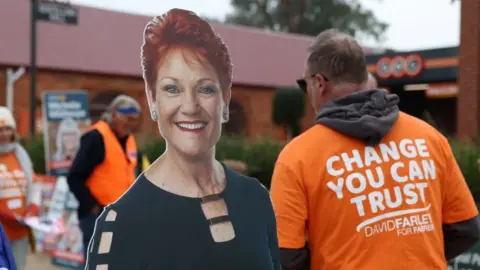
One Nation was within reach of its first federal MP as the Farrer by-election tested whether far-right populism could break through Australia’s preferential voting system and capture a seat, not just a headline. In a contest that exposed conservative fragmentation across rural New South Wales, David Farley’s push in the south-west could have turned disaffected Liberal voters into a protest bloc or a lasting base.
The vote in Farrer was held after Sussan Ley resigned following her defeat in the Liberal leadership spill that elevated Angus Taylor. Ley had held the seat since 2001, and the Coalition had controlled Farrer since it was created in 1949, making the by-election a direct challenge to a 77-year conservative hold. Covering more than 126,000 square kilometres and stretching across Albury, Griffith, Deniliquin and Wentworth, the electorate remained one of the party’s most politically telling rural strongholds.
Twelve candidates contested the seat, up from nine at the 2025 federal election, and voters had to number every box from 1 to 12 for their ballot to count. That count-to-the-end system made preferences central to the result, with the Liberal and Nationals parties choosing to place One Nation ahead of independent Michelle Milthorpe on their how-to-vote cards. The decision angered some voters and sharpened criticism that conservative preference flows could deliver One Nation’s breakthrough in spite of, and partly because of, its outsider pitch.
Farley, an agribusinessman and former National Party member, emerged as one of the frontrunners alongside Milthorpe. The Liberal candidate, Raissa Butkowski, entered the race carrying the burden of a party trying to hold a seat vacated by its former leader, while also navigating a fractured conservative field that left space for both One Nation and an independent to contest the Coalition’s base.
The campaign also reflected anxieties over migration and diversity in the region, with local debate shaped in part by an anti-immigration rally in nearby Wodonga. For some residents, a One Nation victory would have signalled that harsher rhetoric toward migrants had become politically rewarding; for others, it would have shown that the party had moved beyond protest politics and into durable federal relevance. If Farley prevailed, it would not only end the Coalition’s monopoly in Farrer but also send One Nation into the House of Representatives with new momentum after its strong South Australian result and a far larger platform in national politics.
This article was produced by Prism’s automated news system from verified source data, official records, and press releases, then run through automated quality and moderation checks before publishing. The system is built and supervised by the people who set the standards it runs under. Read our full AI policy.
Did this article answer your question?

