Virginia Supreme Court voids voter-approved congressional map, boosts Republicans
Virginia's top court voided a voter-backed 10-1 House map, erasing a late-April Democratic win and handing Republicans a boost in the national redistricting fight.
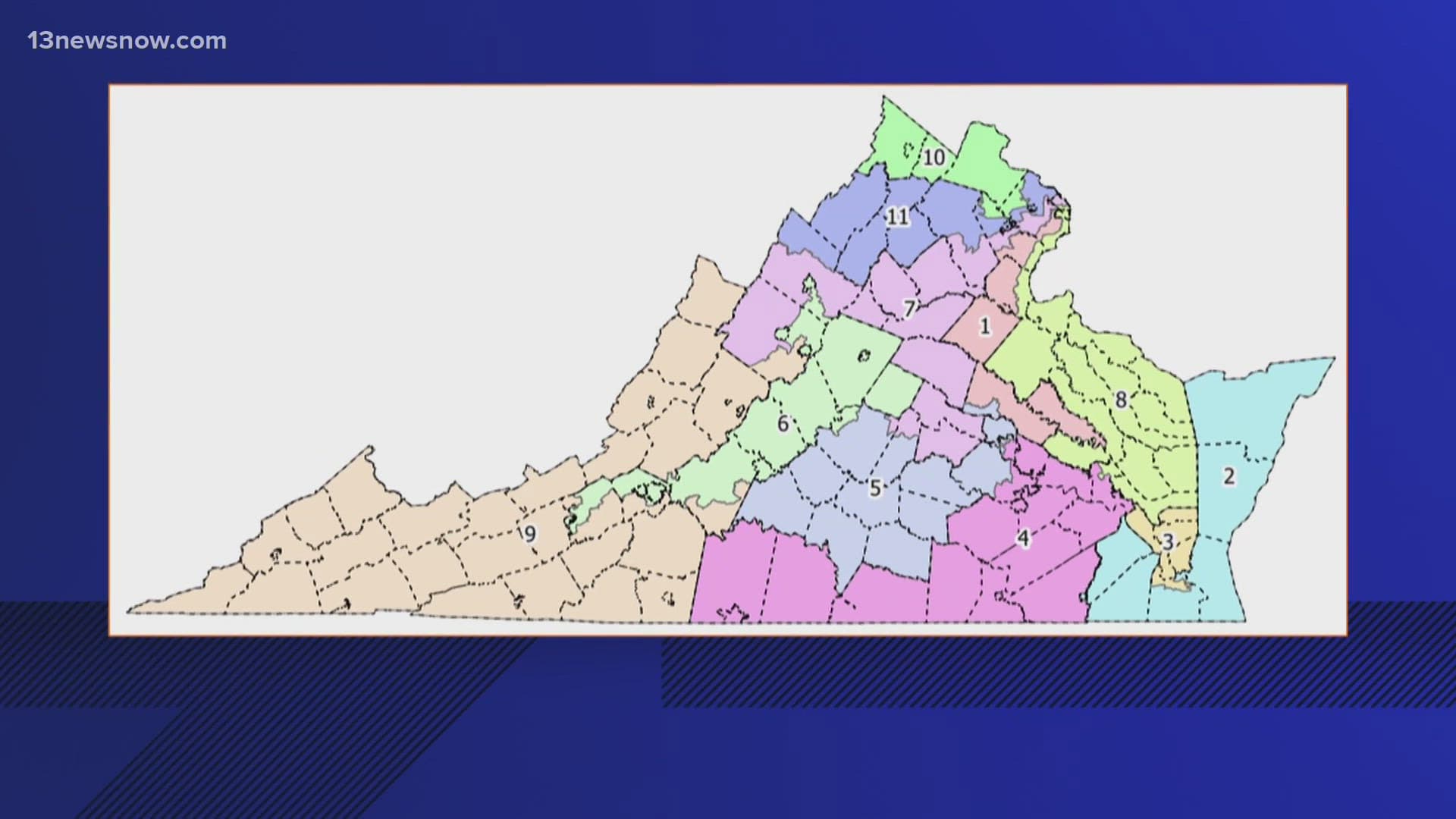
The legal fight over Virginia’s congressional lines suddenly became an early governing test for Abigail Spanberger, as the state Supreme Court voided a voter-approved redistricting map that Democrats had hoped would tilt as many as four U.S. House seats their way. The ruling, issued May 8, wiped out a referendum that had passed in late April by more than 100,000 votes and turned what had looked like a political breakthrough for Democrats into a major victory for Republicans.
Spanberger had initially been skeptical of the mid-decade push, but as Virginia’s governor and the state’s leading Democrat, she signed the redistricting bill in February 2026 after the General Assembly approved a proposed 10-1 map. That plan would have favored Democrats in 10 of the state’s 11 congressional districts and was central to a broader strategy to counter Republican-led redistricting efforts in other states. Instead, the Supreme Court of Virginia ruled that lawmakers failed to follow the constitutional process required to place the measure on the ballot, effectively voiding the new map.

The court’s decision landed hard in Richmond and beyond. Spanberger said she was disappointed by the ruling and noted that more than three million Virginians had voted in the referendum. Republican figures quickly celebrated the outcome, and President Trump called it a “huge win” for the GOP, underscoring how a state-level procedural ruling can reverberate through the national battle over House control.
The dispute also opened a fresh round of Democratic finger-pointing over timing, tactics and whether the party had moved fast enough to lock in an advantage after years of Republican gains elsewhere. Attorney General Jay Jones sought a stay and said his office planned to appeal to the U.S. Supreme Court, keeping the map fight alive even as the legal and political stakes widened. For Spanberger, the ruling sharpened the tension between institutional principle and raw electoral advantage, a tension that now shadows her agenda at the start of her governorship.

Virginia is not fighting this battle alone. Louisiana has already paused a House primary to allow for redistricting, and Tennessee Republicans have approved a new map, showing how quickly the national landscape is shifting. In that contest, Virginia’s overturned referendum became more than a technical ruling on ballot procedure. It became a measure of Democratic strategy, Republican momentum and the limits of trying to redraw the political map in real time.
This article was produced by Prism’s automated news system from verified source data, official records, and press releases, then run through automated quality and moderation checks before publishing. The system is built and supervised by the people who set the standards it runs under. Read our full AI policy.
Did this article answer your question?

