Labour suffers local election losses as Gordon Brown returns to politics
Labour’s local-election slump has reignited succession talk, while Gordon Brown’s return gives the party’s reset debate a new, and awkward, centre of gravity.
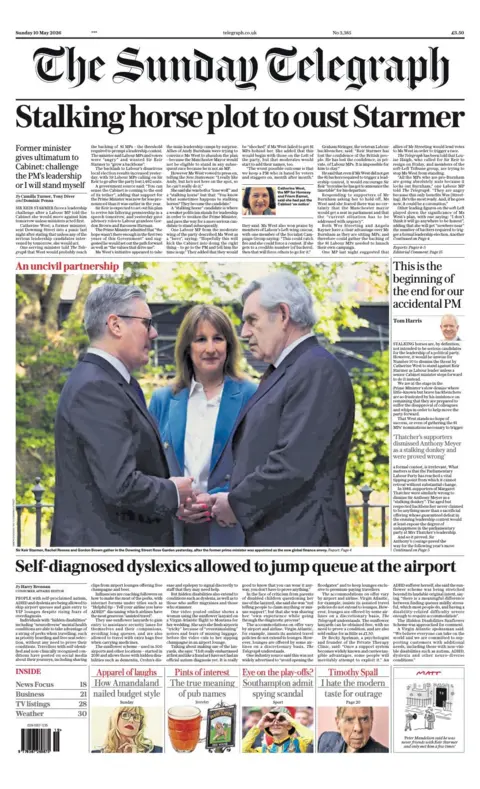
The Sunday front pages turned Labour’s local-election losses into a test of Keir Starmer’s grip on power, with Gordon Brown’s return to the political frame sharpening the sense that the party is entering a more fragile phase. The question running through the coverage was whether talk of ousting Starmer reflected real elite anxiety or simply the tabloid logic of a bruising result.
The scale of the setback was hard to ignore. More than 5,000 council seats were contested on Thursday, 7 May 2026, across 136 local authorities in England, including London, major cities, rural districts and county councils, alongside elections in Scotland and Wales. Early results showed Labour suffering significant losses while Reform UK made major gains, turning what had already been billed as a midterm verdict on the government into a fresh round of pressure on the prime minister.
Starmer insisted on Friday that he would not resign, but that did little to quiet the speculation. In Westminster, some Labour MPs were said to be weighing a challenge if the losses deepened, and one Telegraph live blog quoted a Labour MP telling Cabinet ministers to move against Starmer or face a leadership contest. That kind of briefing matters because it points to more than ordinary post-election noise: it suggests that parts of the parliamentary party are already gaming out succession.
The papers’ fixation on Starmer also exposed the gap between electoral arithmetic and political narrative. Labour has not yet faced a national election defeat, but the local contests, spread across England, Scotland and Wales, were treated as a major verdict on the government’s direction. Reform UK’s gains gave Nigel Farage’s party a clearer line into the story, while the Conservatives’ weakness only made Labour’s own losses look more politically damaging.
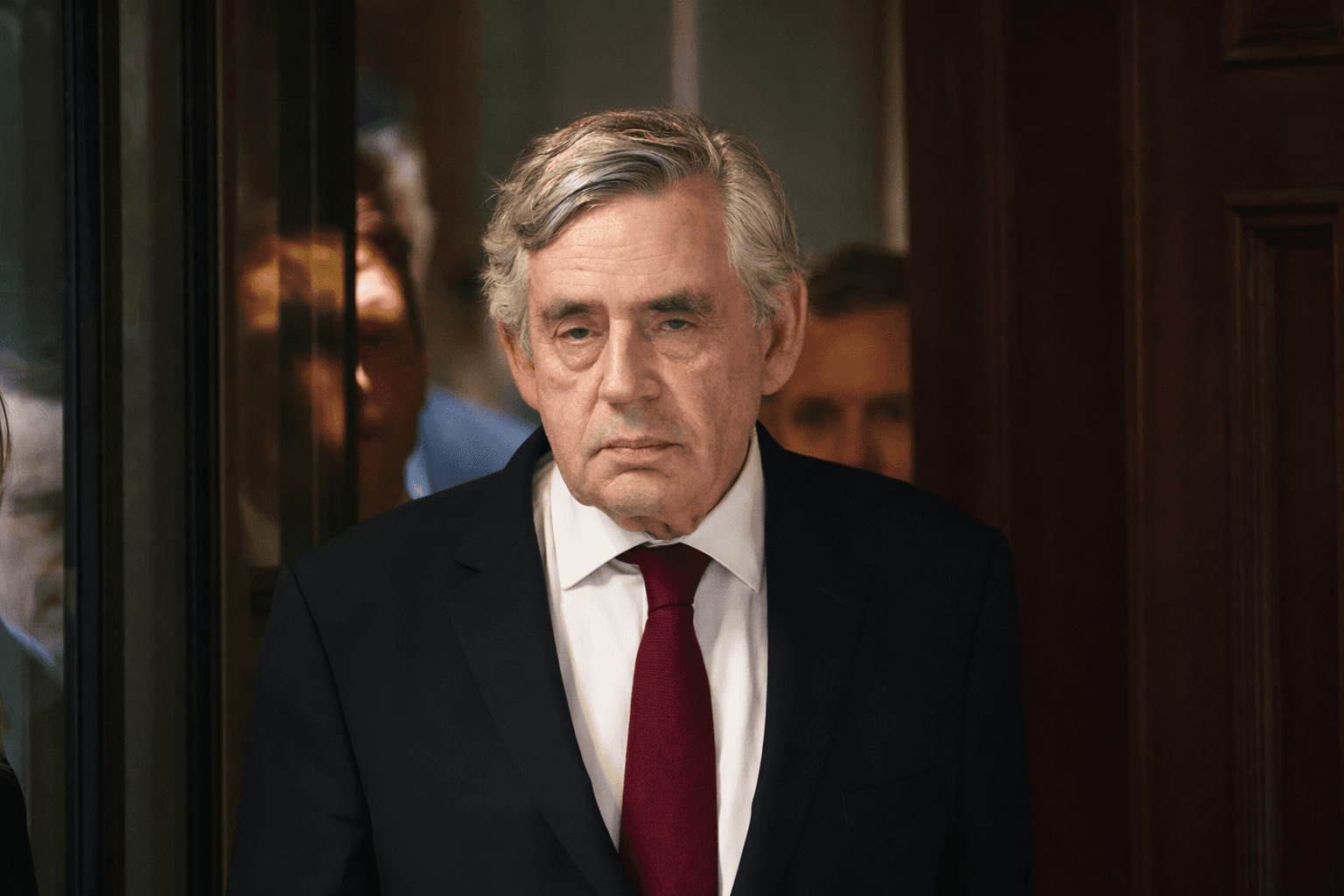
Brown’s reappearance added a second layer to the story. The former prime minister, who led the country from 2007 to 2010 and served as Labour chancellor from 1997 to 2007, is back in the political frame in a visible way and is now being linked to Labour’s reset. That makes the Sunday papers’ “Gord help us all” line more than a headline flourish. It captures a genuine tension inside Labour between a leader under fire and an older authority figure being drawn back into the conversation just as the party searches for a new message.
The result is a party fighting on two fronts: against Reform UK’s advance in the country and against its own growing debate over whether Starmer can carry the next phase of government without a change of direction, or a change of leader.
This article was produced by Prism’s automated news system from verified source data, official records, and press releases, then run through automated quality and moderation checks before publishing. The system is built and supervised by the people who set the standards it runs under. Read our full AI policy.
Did this article answer your question?

