Lagarde leaves door open to early ECB exit before French vote
Christine Lagarde said she could leave the ECB early, adding fresh uncertainty before France's 2027 presidential race and the euro zone's next rate chapter.

Christine Lagarde left open the possibility of stepping down early from the European Central Bank, a remark that immediately drew attention because her current term runs until October 2027 and France’s next presidential vote is set for April 18, 2027. The ECB president, who has led the central bank since November 2019, said it was possible she could step away before the end of her eight-year, nonrenewable term if she wanted to weigh in on French politics.
Lagarde told Les Echos that a European voice should be heard in the French presidential debate. That line was enough to spark speculation about whether one of Europe’s most visible economic policymakers was thinking about a return to domestic politics, even though she made no announcement and stopped short of ruling out staying until the end of her mandate. Her public posture was ambiguous: she did not commit to remain through 2027, but she did not say she would leave either.
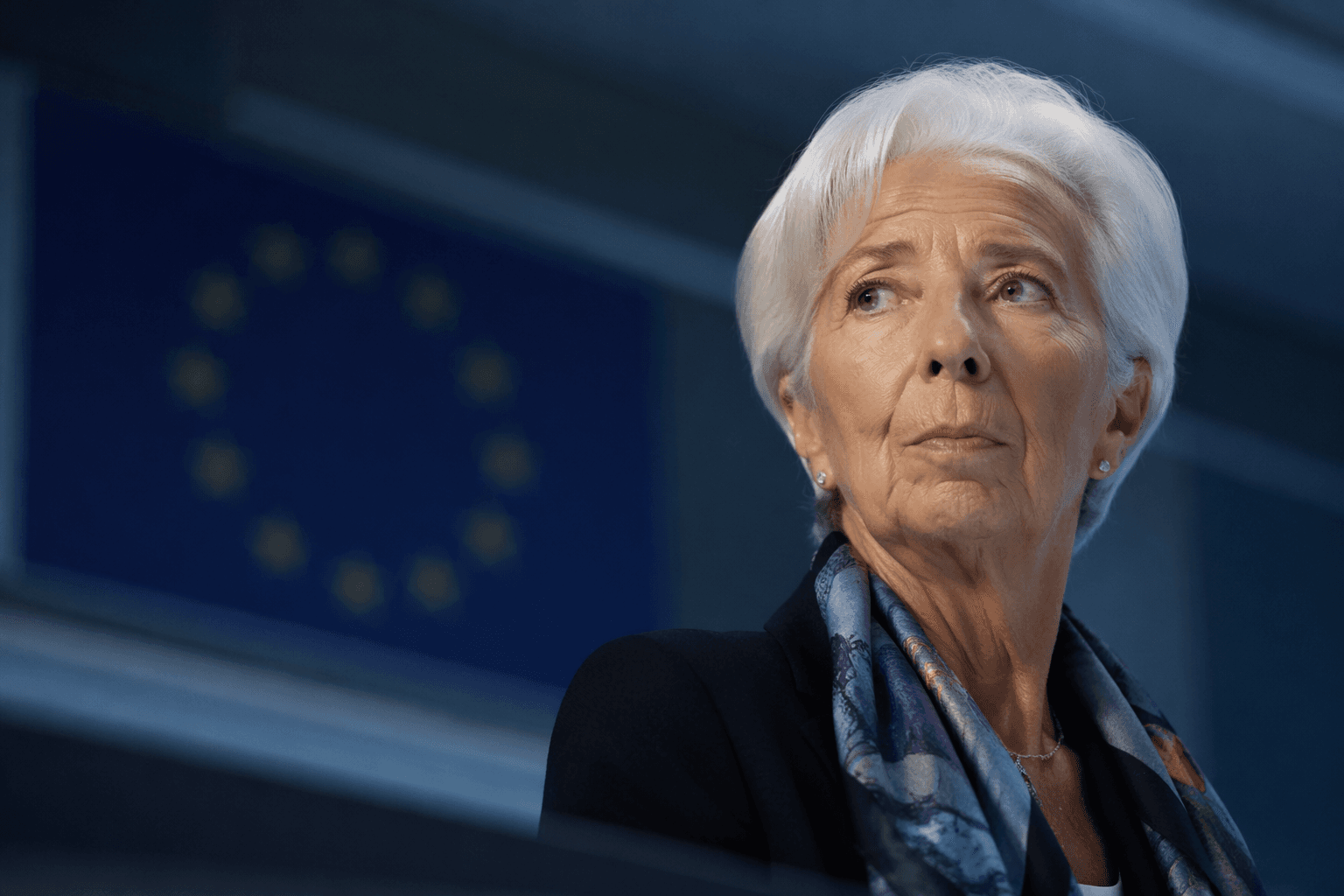
The timing gives the comment extra weight. France’s election calendar is now fixed, with a first round on April 18, 2027, and a runoff on May 2 if needed. Emmanuel Macron cannot run again because he is constitutionally limited to two consecutive presidential terms, which makes the race his successor’s contest and raises the political stakes for any high-profile French figure with European credentials.
Lagarde’s stature makes even a hint of movement consequential. Before becoming ECB president, she was France’s minister of economy and finance and later managing director of the International Monetary Fund, giving her a profile that stretches far beyond Frankfurt. As ECB chief, she sits at the center of euro zone interest-rate decisions, inflation management and financial stability at a time when growth remains uneven and external shocks continue to complicate policy.
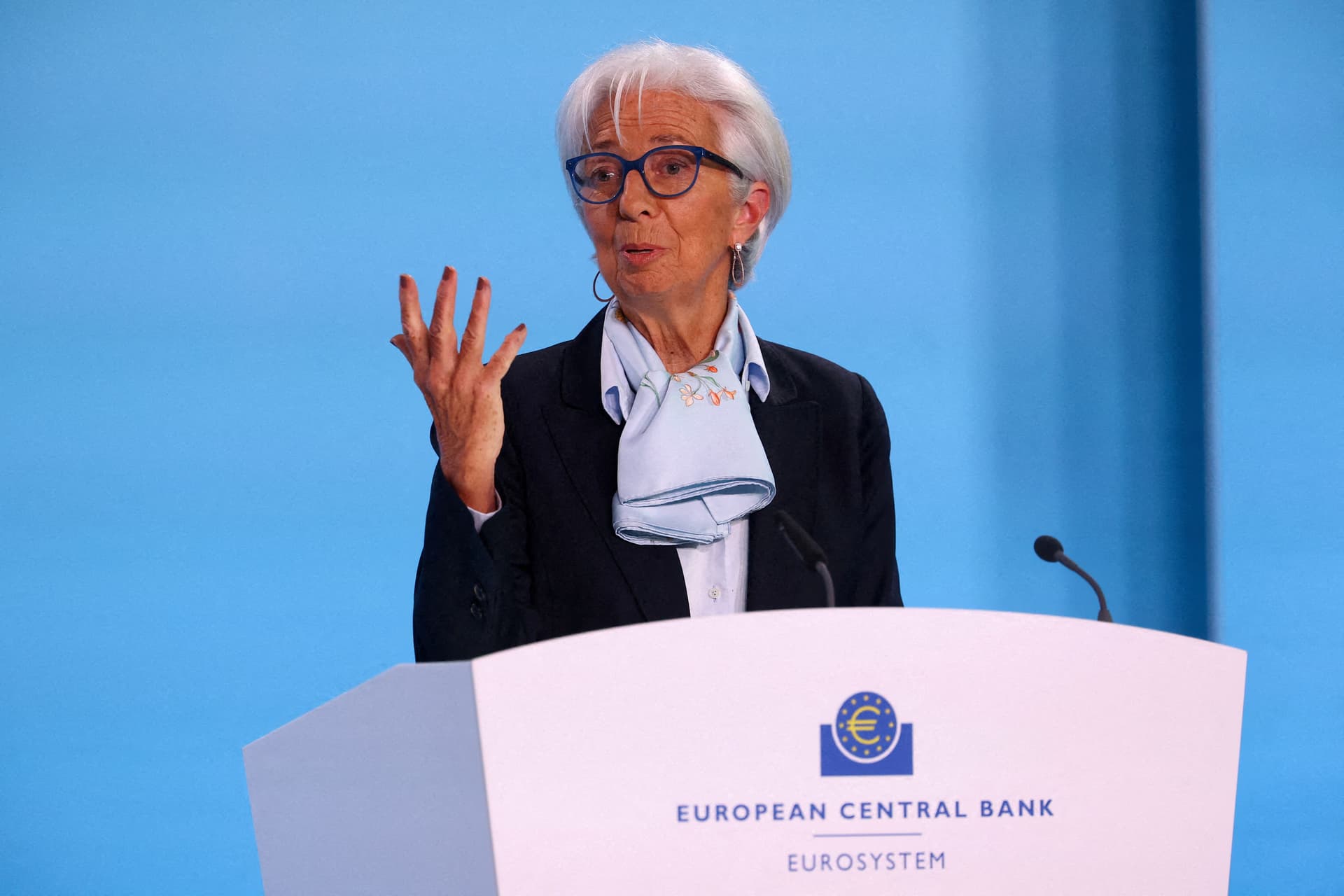
The uncertainty matters for markets because central-bank succession can shift expectations long before a formal change takes place. Investors watch for continuity at the ECB when inflation is still above comfort levels in parts of Europe and when policy signals can move borrowing costs across the continent and beyond. A change at the top could affect the timing and tone of rate decisions, and it could also alter how the bank balances inflation pressure against weaker growth.

Lagarde had tried to cool the speculation earlier in 2026, saying her “baseline” was to stay at the ECB until her term ends. She had also faced earlier reports that she might leave before then. Her latest remarks did not resolve that tension. They simply confirmed that the question is now part of the political and market calculus for 2027.
This article was produced by Prism’s automated news system from verified source data, official records, and press releases, then run through automated quality and moderation checks before publishing. The system is built and supervised by the people who set the standards it runs under. Read our full AI policy.
Did this article answer your question?