Lagarde says euro zone resilience gives ECB room for more rate hikes
Lagarde said the euro zone can absorb shocks better now, giving the ECB room to keep rates higher after June's 25-basis-point move. May inflation still ran at 3.2%.
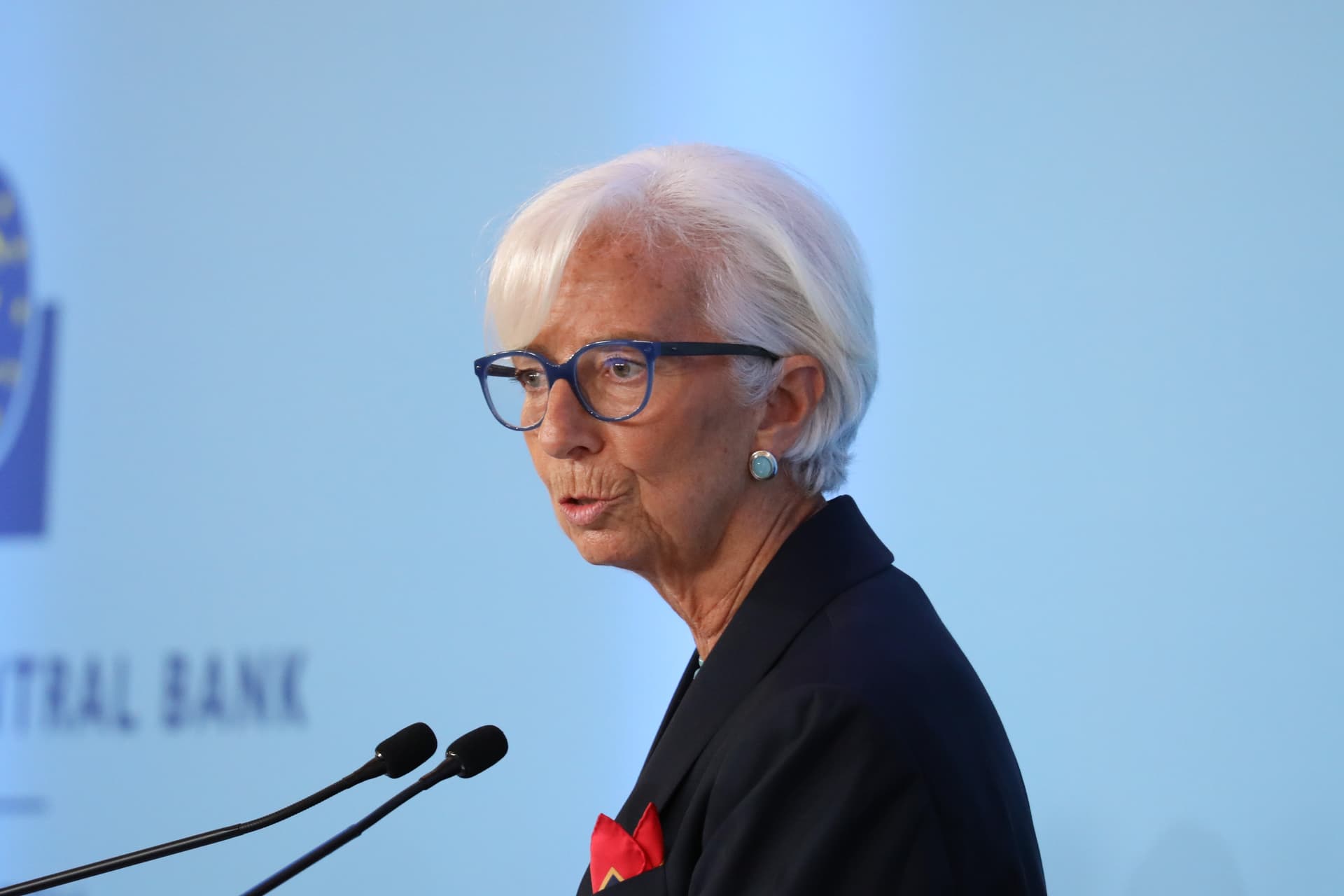
Christine Lagarde said the euro area has become resilient enough to take economic shocks in stride, giving the European Central Bank more room to raise rates without immediately destabilizing markets. In her opening speech at the ECB Forum on Central Banking in Sintra, Portugal, Lagarde argued that the bloc is no longer as fragile as it was during earlier crises and can now rely on policy rates as its main tool rather than on unconventional measures.
That confidence rests on the policy architecture built after years of stress. Lagarde pointed to the sovereign debt crisis, the pandemic and the energy shock that followed Russia’s cutoff of natural gas as turning points that forced the ECB to strengthen its framework. She said the central bank’s own instruments have helped reduce fragmentation risks across the euro area, including through the Transmission Protection Instrument, which was designed to preserve the transmission of monetary policy when markets come under strain.

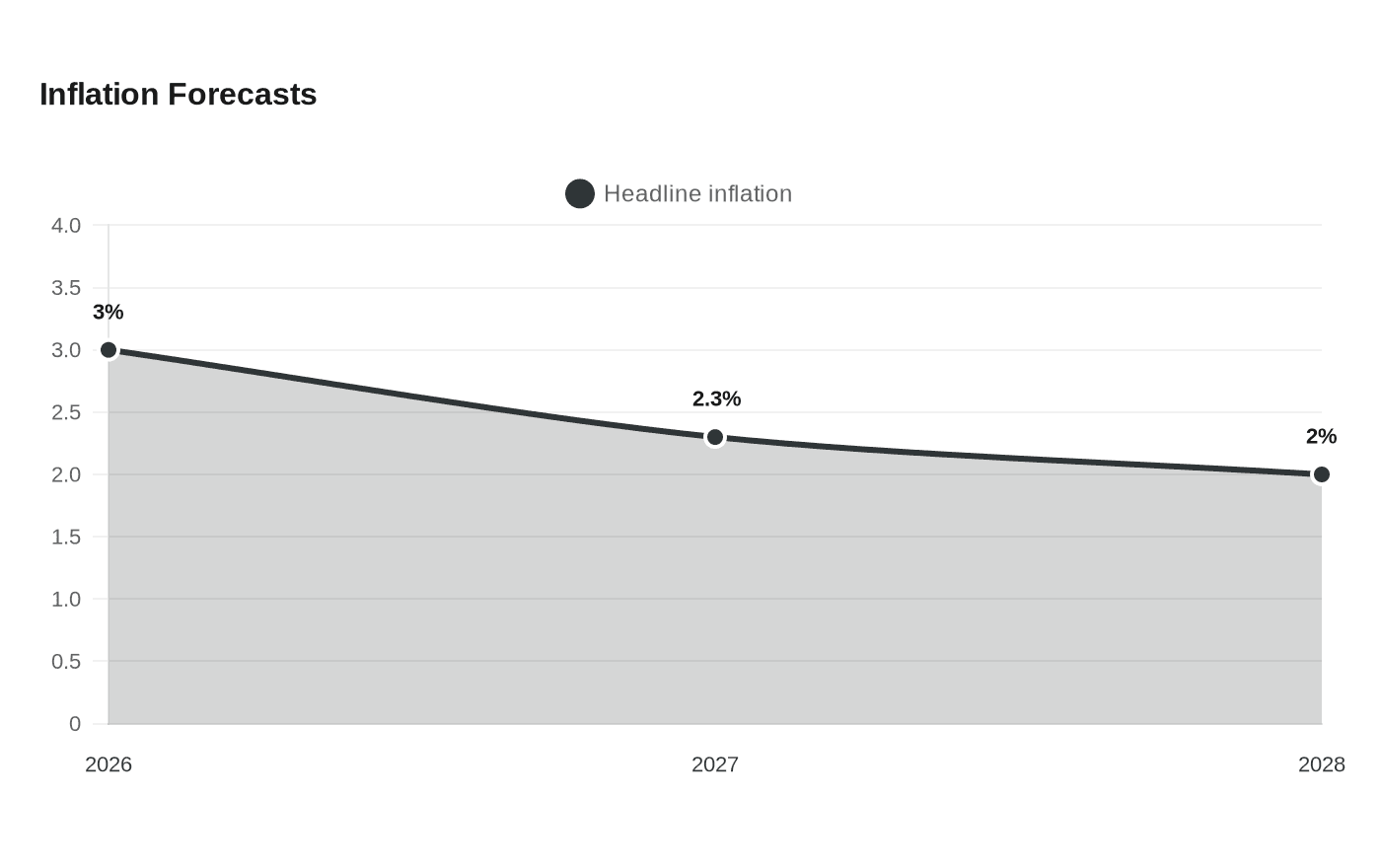
The message lands just weeks after the ECB raised all three key rates by 25 basis points on June 11, lifting the deposit rate to 2.25%. At that meeting, the central bank said its move was robust across scenarios because the war in the Middle East was feeding inflation pressures. Its staff projections showed headline inflation averaging 3.0% in 2026, 2.3% in 2027 and 2.0% in 2028, while growth was forecast at 0.8% in 2026, 1.2% in 2027 and 1.5% in 2028. Eurostat’s flash estimate for May showed annual inflation at 3.2%, up from 3.0% in April, with energy inflation at 10.9% and services at 3.5%.

Lagarde has also signaled that the ECB sees a more complicated inflation landscape ahead. On June 22, she said the current shock is too large to ignore but not yet large enough to unanchor long-term expectations. In Sintra, she described the space between shocks the central bank can overlook and those that demand forceful action as an “intermediate zone,” a setting that will require more judgment and less mechanical rule-following.
For U.S. markets, the implications reach well beyond Frankfurt. A more confident ECB can keep euro-area borrowing costs elevated for longer, shaping global bond yields, mortgage pricing and corporate financing conditions. It also affects the dollar-euro relationship by influencing rate differentials, while multinational companies with European revenues or funding needs will feel the impact in hedging costs, translation effects and access to capital.
This article was produced by Prism’s automated news system from verified source data, official records, and press releases, then run through automated quality and moderation checks before publishing. The system is built and supervised by the people who set the standards it runs under. Read our full AI policy.
Did this article answer your question?