Lake Mead hits record lows, threatening water and power supplies
Lake Mead fell to 1,044.84 feet, 28% full, putting Hoover Dam power and Colorado River deliveries for 40 million people under growing strain.
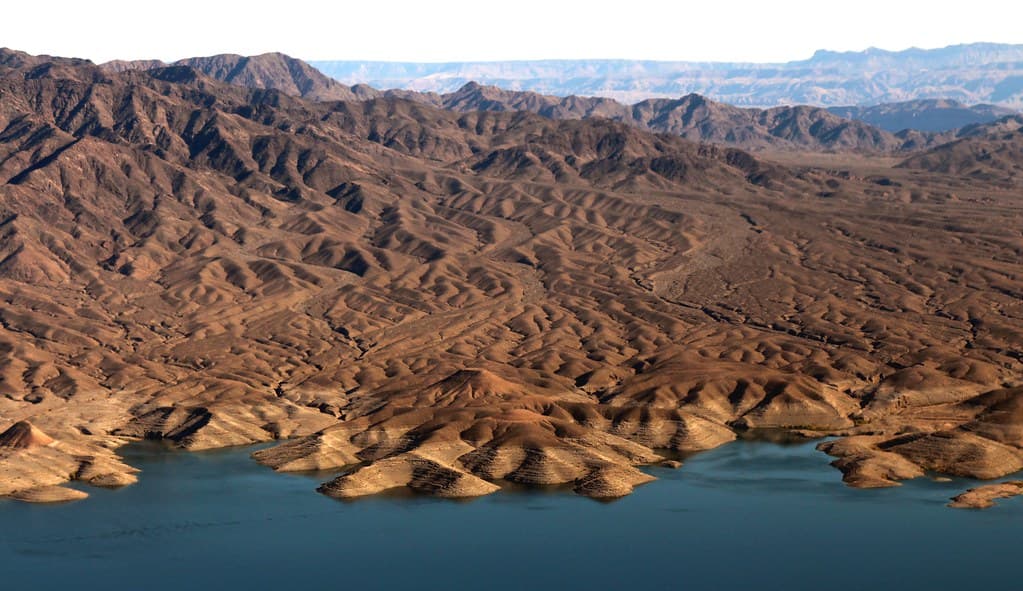
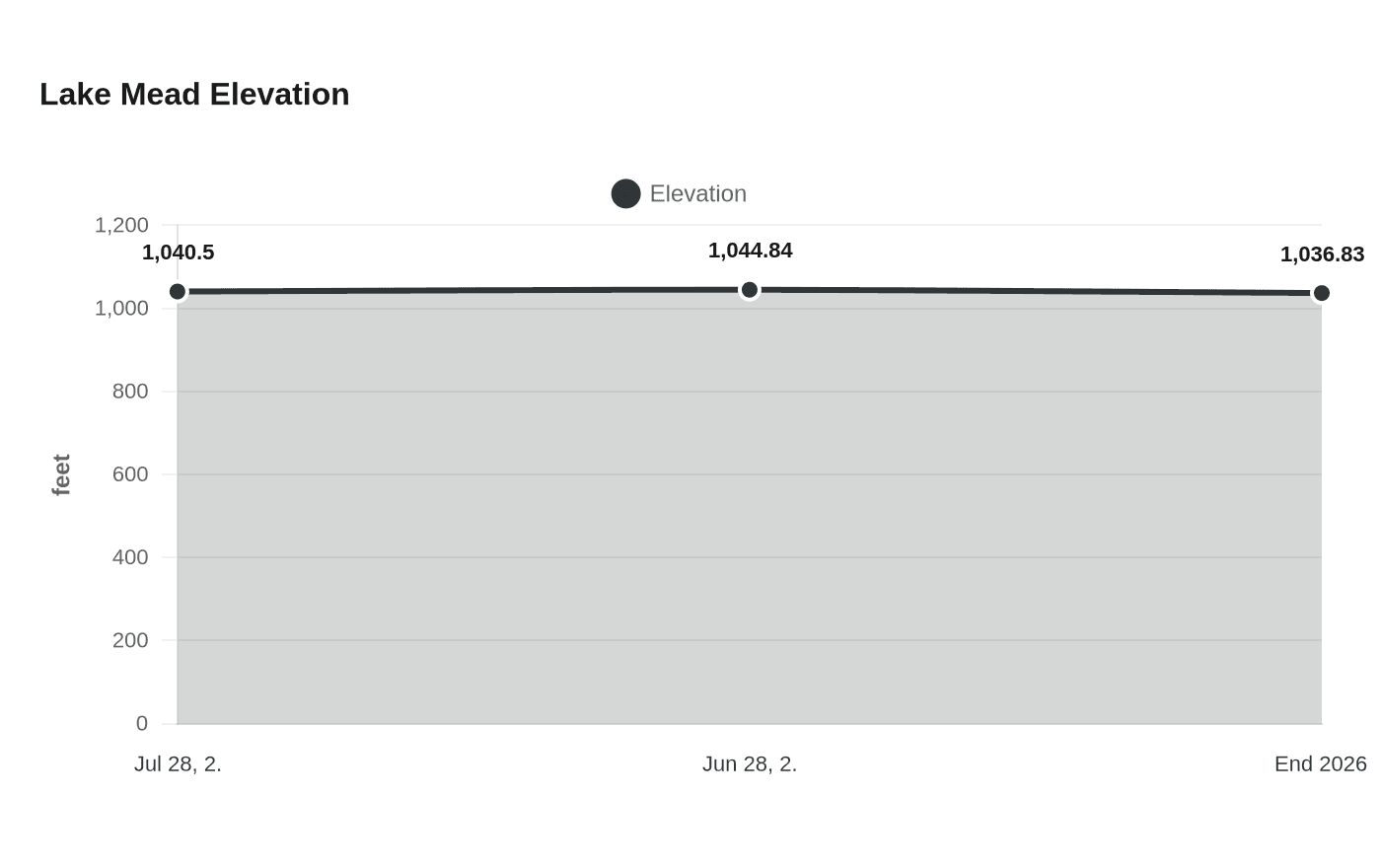
Lake Mead stood at 1,044.84 feet, 28% full, in a Bureau of Reclamation update dated June 28, 2026, leaving the reservoir only 4.34 feet above its prior record low and on a trajectory to test that mark again by year-end. Reclamation projected the lake at 1,036.83 feet by the end of calendar year 2026.
The stakes reach far beyond the reservoir rim. Lake Mead is the nation’s largest reservoir by storage capacity and a central piece of the Colorado River system, which supplies water to Arizona, California, Colorado, Nevada, New Mexico, Utah and Wyoming, as well as Mexico. The river serves nearly 40 million people across those states and Northwestern Mexico, while also supporting agriculture across the West and Southwest.
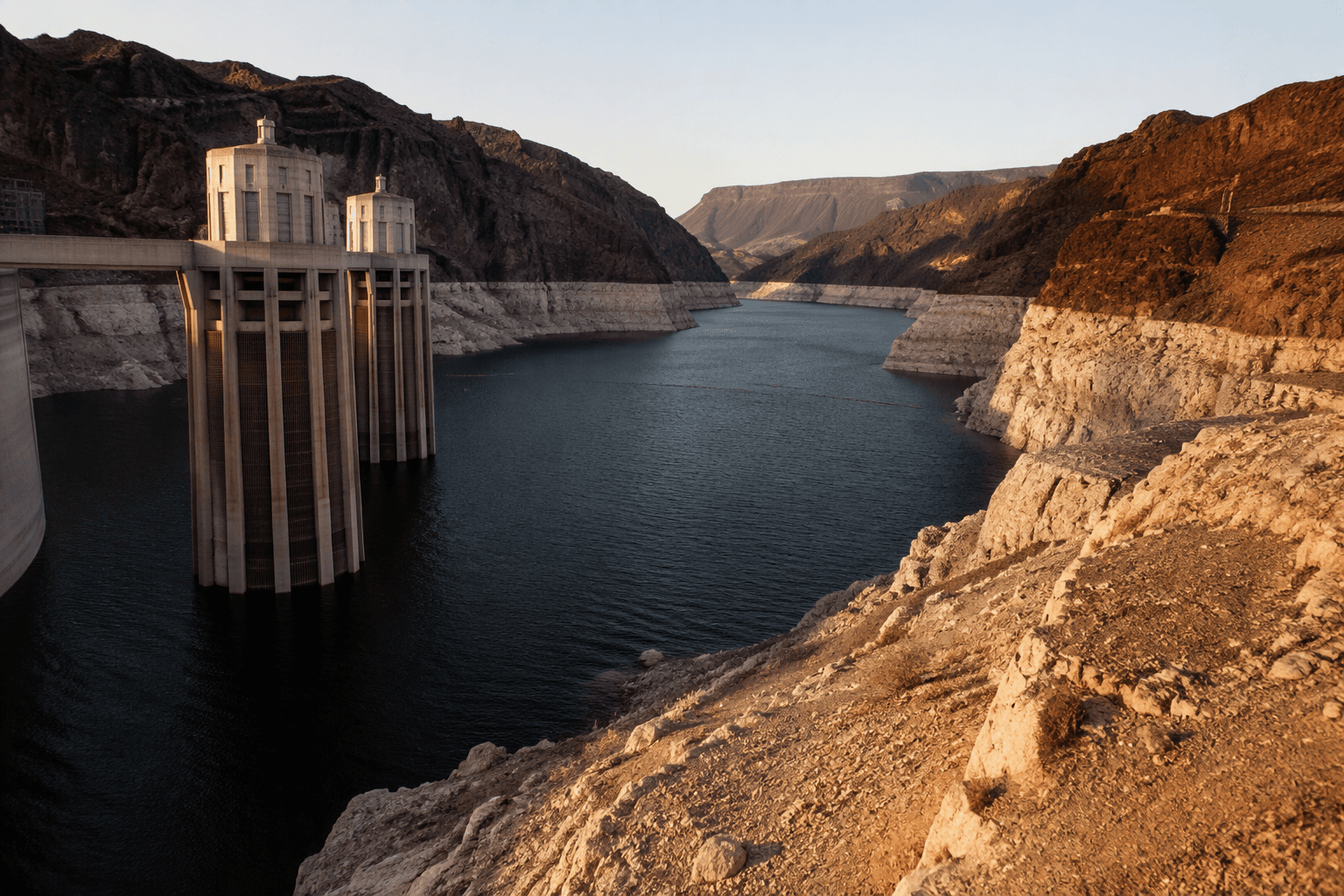
The basin has been in the worst drought in recorded history since 2000, according to the Southern Nevada Water Authority, and Lake Mead’s elevation has fallen about 160 feet over the same period. Bureau of Reclamation historical data show the reservoir’s previous record low was 1,040.50 feet on July 28, 2022, a level that the 2026 projection would push below by another 3.67 feet.
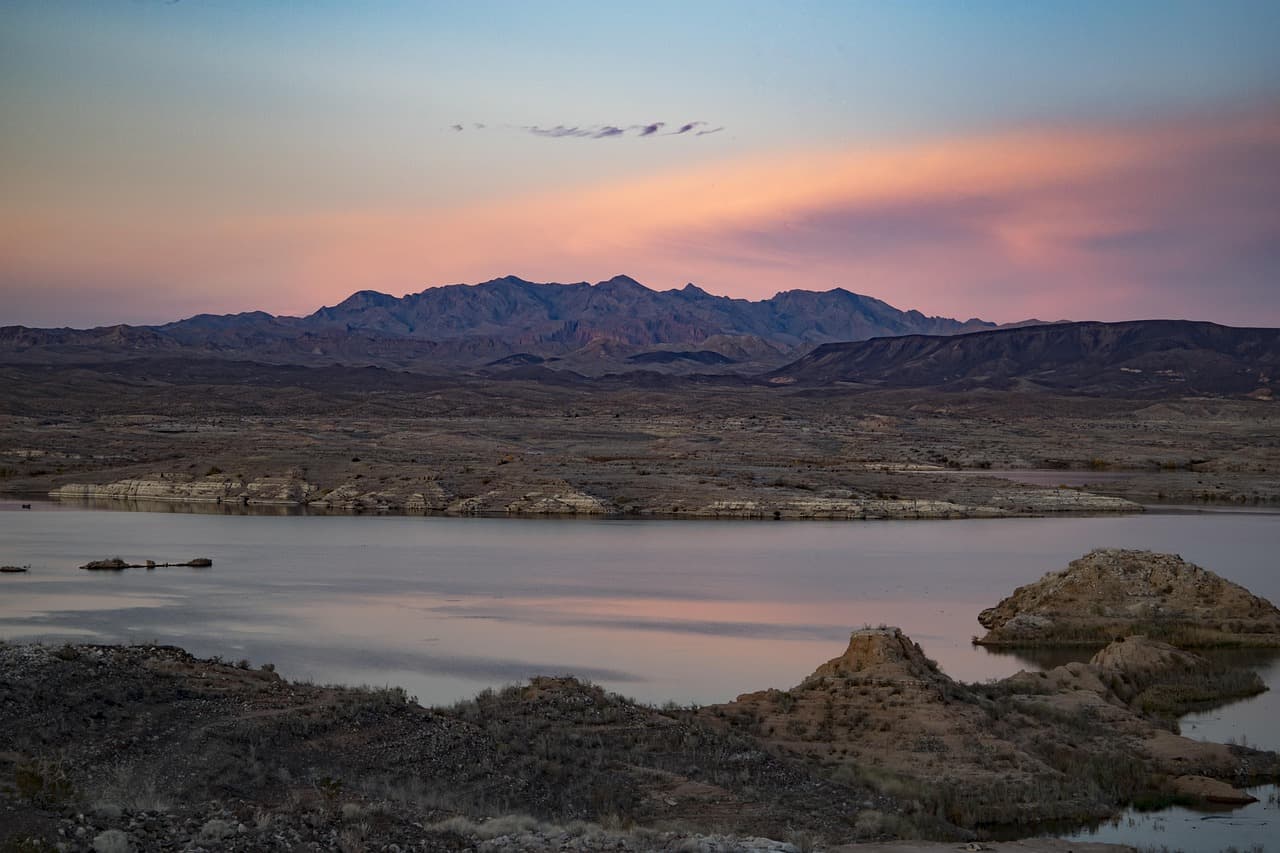
The drop also has direct consequences for power generation at Hoover Dam. Lower water levels reduce the hydraulic head needed to spin the dam’s turbines, cutting the electricity it can produce for the region. That makes the lake’s decline more than a water-supply problem; it is also a strain on one of the Southwest’s most visible pieces of infrastructure.
Reclamation’s July 15, 2026 Most Probable 24-Month Study continued to model operations for Lake Mead and Lake Powell under the December 2007 Colorado River Interim Guidelines and the 2024 Interim Guidelines SEIS Record of Decision. The two reservoirs are usually assessed together in shortage planning, because combined low storage in both is one of the clearest signals of how much stress remains in the Colorado River system. In the June hydrologic update, Reclamation listed a 7-day release of 13,600 cubic feet per second, underscoring how closely every adjustment in storage and release now affects water deliveries and hydropower across the basin.
This article was produced by Prism’s automated news system from verified source data, official records, and press releases, then run through automated quality and moderation checks before publishing. The system is built and supervised by the people who set the standards it runs under. Read our full AI policy.
Did this article answer your question?