Nearly 100 wildfires strain U.S. crews as Canada fire danger spikes
Nearly 100 U.S. wildfires and a British Columbia state of emergency showed crews, aircraft and evacuation systems under simultaneous strain on both sides of the border.
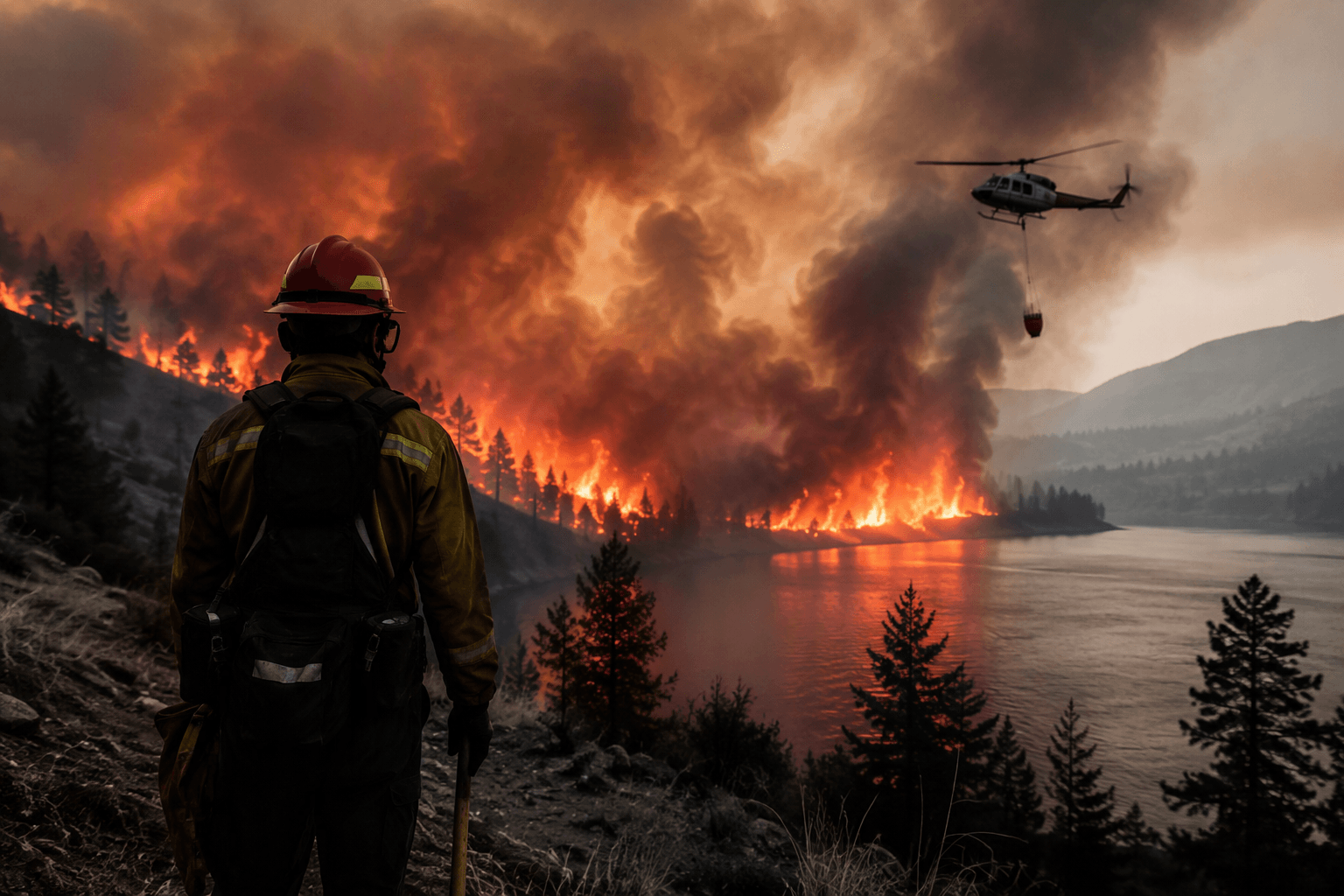
Nearly 100 large wildfires strained firefighting resources across the U.S. over the weekend as British Columbia declared a provincial state of emergency and more than 20,000 people fled fires. The surge came amid intense heat and drought, with the National Interagency Fire Center listing National Preparedness Level 5 as of July 18 and reporting 83 new fires nationwide on Aug. 8.
The pressure was mounting across the western U.S. and Canada at the same time. In July, more than 830 wildfires were burning in Canada, and smoke drifted into U.S. cities, adding another layer to a fire season already overwhelming crews, aircraft and evacuation planners. World Weather Attribution said more than 3 million hectares had burned in Canada by early August, enough to prompt a Level 4 National Preparedness response.
British Columbia was one of the hardest-hit fronts. The province declared a state of emergency on Aug. 8 as fire behavior turned fast-moving in hot, dry and windy conditions, with evacuation orders and alerts affecting communities in the southern interior and around Vancouver-area suburbs. In Anmore, near Vancouver, evacuation alerts covered about 35 properties on Aug. 5 as residents watched fire risk rise across the province.
The BC Wildfire Service had warned ahead of the August long weekend that hot, dry weather would raise wildfire danger across much of British Columbia. The warning proved acute as flames spread through the province while local officials sought to keep pace with sheltering, road closures and evacuations that were expanding faster than many small communities could absorb.
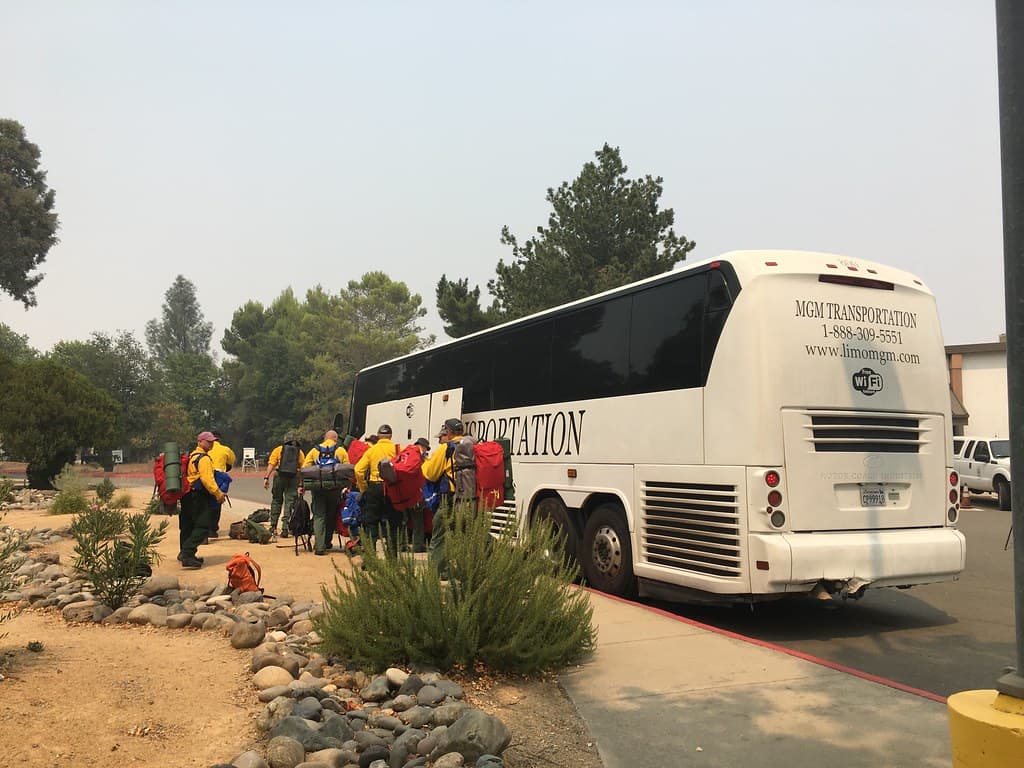
South of the border, a wildfire near Spokane, Washington destroyed more than 700 buildings and forced 64,000 people to evacuate since Aug. 1, underscoring how quickly the emergency was escalating across state and provincial lines. The scale of destruction, paired with the Canadian evacuations, left crews and equipment stretched across a broad region where fire seasons are increasingly colliding.
The fire season has also intensified the policy debate over climate and preparedness. CBC News reported on Aug. 7 that human-induced climate change made some Canadian wildfire events about twice as likely, and later Reuters reporting said British Columbia was seeking federal assistance as evacuations continued. With active fires, smoke and displacement building at once, emergency systems on both sides of the border are being tested by a pace of disruption that has outgrown standard response models.
This article was produced by Prism’s automated news system from verified source data, official records, and press releases, then run through automated quality and moderation checks before publishing. The system is built and supervised by the people who set the standards it runs under. Read our full AI policy.
Did this article answer your question?