Lance Corporal Stewart Freeman dies during joint training exercise in Erbil
A 28-year-old British soldier died in Erbil during a joint drill with US forces, renewing scrutiny of a training mission that still carries lethal risk.
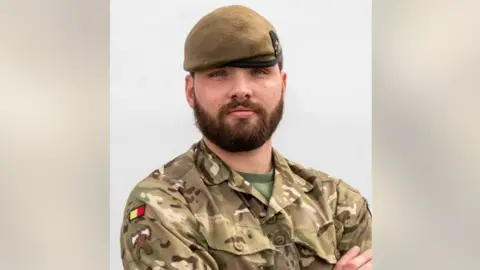
Lance Corporal Stewart Freeman, 28, died on Sunday, May 31, during a joint training exercise in Erbil with US forces, a loss that cuts across both the human cost of military service and the policy question of why British troops remain in Iraq at all.
Freeman’s death puts fresh attention on a mission that is not described as combat, yet still depends on soldiers operating in an active security environment. In Erbil, British personnel are deployed alongside the US to train, advise and work with Iraqi partners, part of a wider effort to strengthen local forces rather than replace them. That distinction matters in theory. It does not erase the dangers that service members face on the ground.

The Ministry of Defence now faces pressure to explain what safety protocols were in place, how the exercise was supervised and what lessons have been learned from earlier incidents involving British deployments in Iraq. Training missions are often presented as lower risk than front-line operations, but Freeman’s death shows that non-combat does not mean safe, and that routine drills can still turn fatal.
The incident also raises a broader question about mission purpose. If the goal in Erbil is to build Iraqi capacity and reduce the need for foreign troops over time, then ministers will have to justify the risks that remain for British personnel who are still being asked to carry out that role. For Freeman’s family, the loss is immediate and personal. For the government, it is another test of whether the public case for the mission still matches the danger its soldiers face.
This article was produced by Prism’s automated news system from verified source data, official records, and press releases, then run through automated quality and moderation checks before publishing. The system is built and supervised by the people who set the standards it runs under. Read our full AI policy.
Did this article answer your question?


