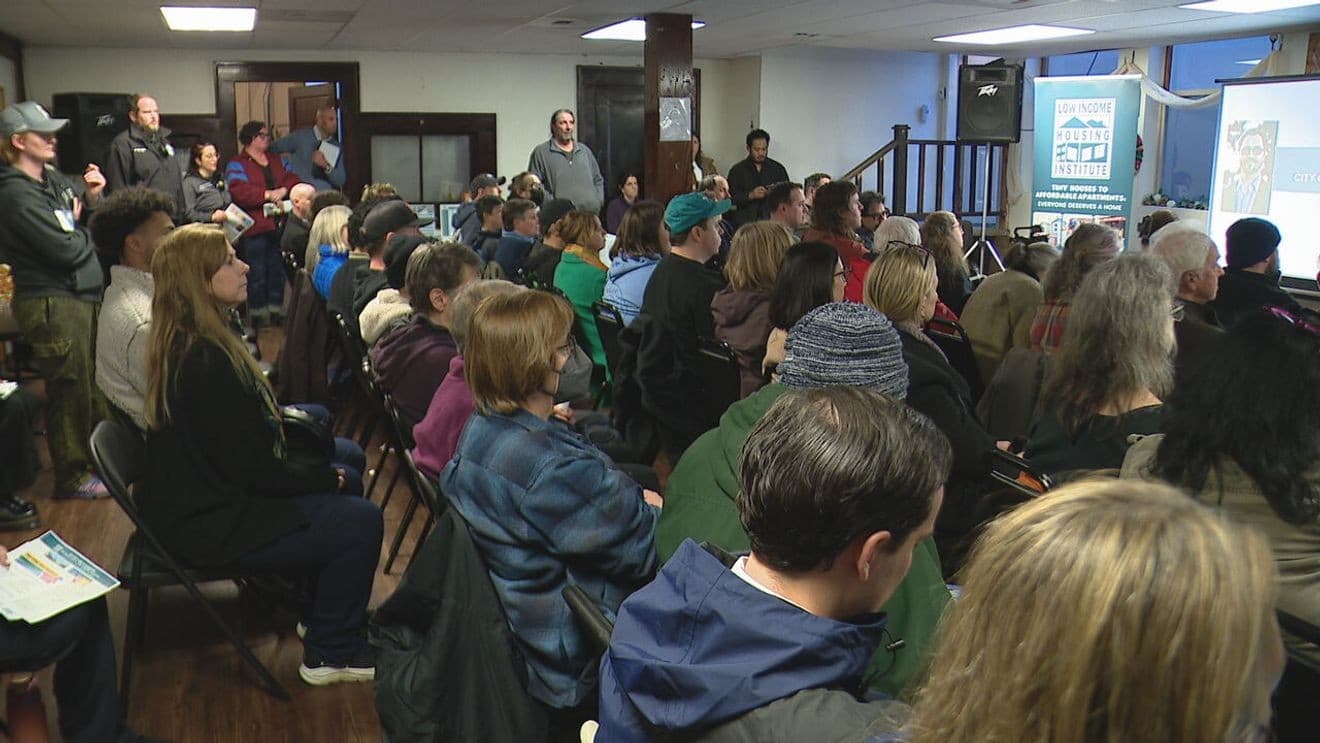
Land and permits often cost more than the tiny house itself in 2026
New 2026 cost guidance shows tiny-house construction costs still vary widely and land and permitting often outpace the home price. Check zoning and site costs first to avoid budget surprises.
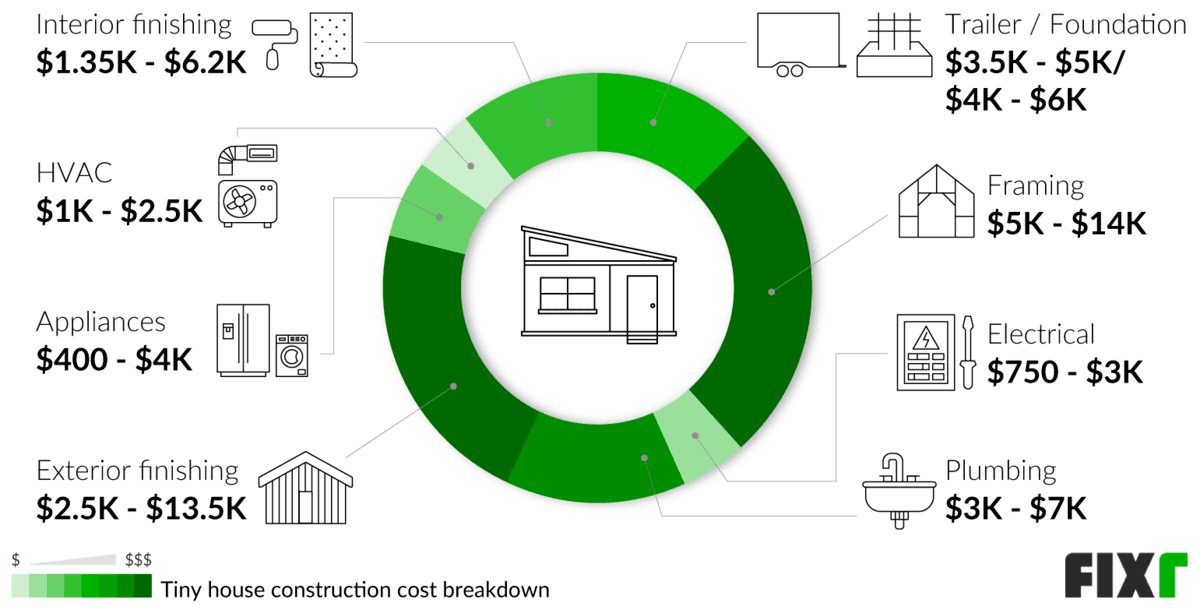
If you're planning a tiny house in 2026, the headline is simple: the sticker for land and permits can eclipse the cost of the home. Builders and buyers still see huge swings in total project price because finishes, systems, and whether the unit is on wheels or a foundation change everything. That makes early zoning and permitting due diligence the single most valuable step you can take.
Construction costs break down into familiar buckets: base build for materials and labor, premium upgrades for finishes and systems, utility hookups and site preparation, plus ongoing carrying costs. How you approach the build determines how those buckets fill. A DIY THOW or small foundation home shifts cost into sweat equity and materials. Factory-built models reduce on-site labor and timelines but raise upfront purchase cost. Custom designs push both labor and design fees up and tend to drive the highest total budgets.
Utility hookups and site work are where many tiny-house plans lose control. Expect to budget for electrical service extensions or a new panel, sewer or septic connections, water hookup or well installation, and driveway and grading work. If you want off-grid living, plan a credible solar and battery system, inverter and transfer equipment, and a water strategy such as rain catchment plus filtration or a well. Off-grid systems reduce monthly bills but increase upfront outlays and require space for panels, batteries, and possibly propane backup.
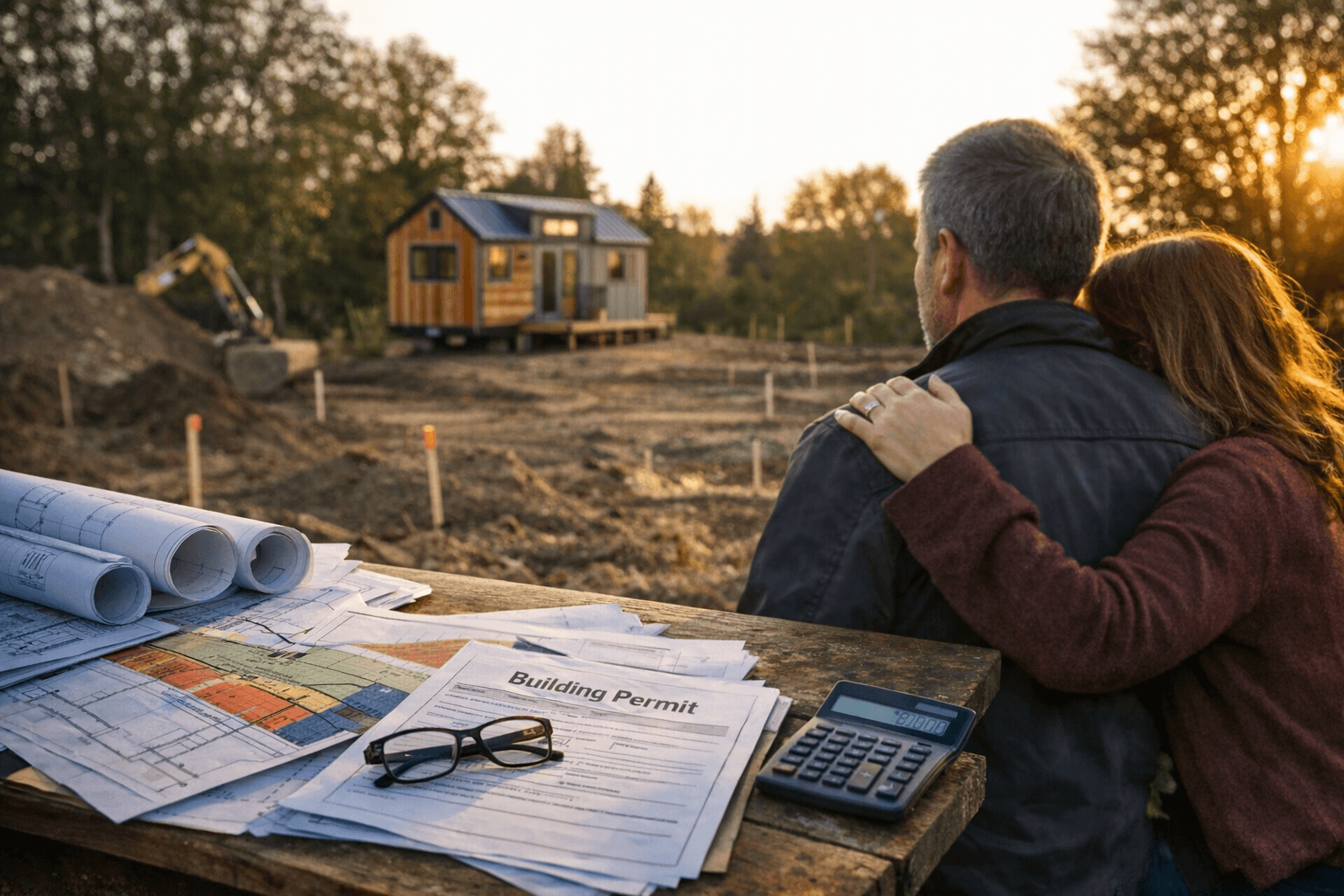
Regional variation matters. Urban and high-demand suburban areas often carry steep permit fees, impact fees, and land prices. Rural counties may have cheaper land but can charge more for septic or well work and require longer drives for materials and labor. ADU rules are another variable. In some jurisdictions an accessory dwelling can be permitted more easily than a new lot, but ADU rules vary by municipality and may affect parking, utility connections, and occupancy rules. Verify whether your tiny house counts as a dwelling or an RV in local code before committing.
Ongoing costs are real. Insurance, property taxes if you set a foundation, and utilities add to the monthly budget. Insurance for a THOW differs from a stick-built home and often requires specialty carriers. Property tax exposure depends on how local assessors classify the structure.
Practical planning beats panic during the build. Start with zoning and permit checks, tally realistic site-prep and hookup quotes, and match your energy plan to your lifestyle - grid-tied for lower upfront cost, off-grid for long-term independence. Factor in a contingency; tiny projects still encounter unexpected grading, stormwater, or hookup issues.
The takeaway? Our two cents? Make land and permitting your first line item, not an afterthought. Verify zoning and hookups, choose the build path that matches your skills and timeline, and budget for ongoing costs up front so your tiny dream stays tiny in footprint but not in headaches.
Know something we missed? Have a correction or additional information?
Submit a Tip