Landlords seek $1.5 billion from federal government over eviction moratorium losses
More than 1,500 landlords are seeking up to $1.5 billion after the federal eviction ban kept tenants in place during the pandemic. The case could set a precedent for retroactive payouts from emergency rules.
More than 1,500 property owners are asking the federal government for as much as $1.5 billion, arguing that the pandemic eviction moratorium shifted billions of dollars in losses onto landlords and could now force taxpayers to cover part of the bill. The claim has become one of the most closely watched tests of how far emergency public-health powers can reach, and what happens when those powers collide with private property rights.
The case began with landlords such as Matthew Haines, a Texas property owner whose rental communities were affected when the federal government barred evictions for nonpayment during much of the pandemic. Haines said his own investors lost more than $1 million because tenants could not be evicted under the moratorium. The landlords say the money they are seeking, while large, is still only a fraction of what the industry lost.
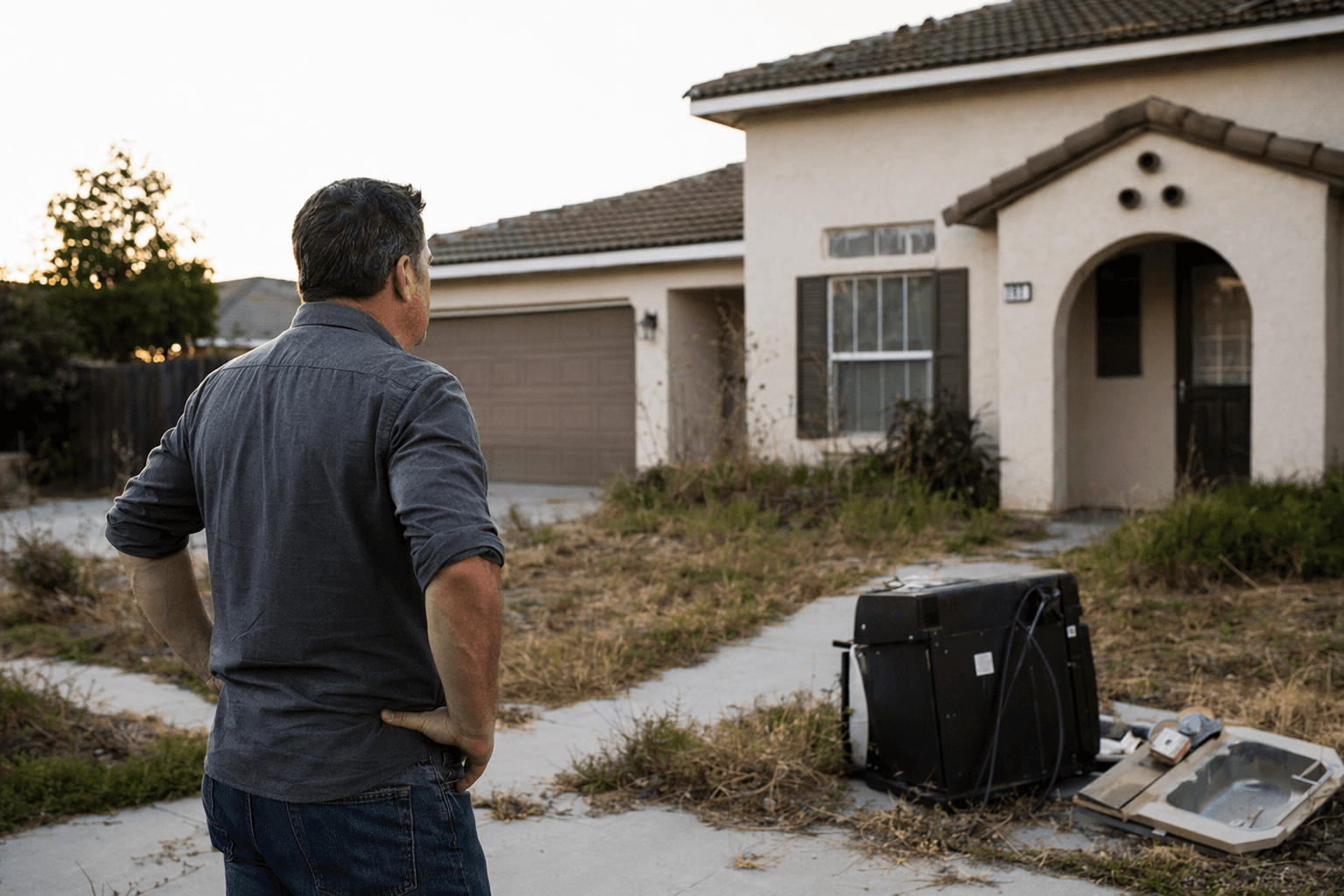
The federal ban, imposed by the Centers for Disease Control and Prevention, ran from September 2020 through July 2021 and was intended to keep tenants housed during the public-health emergency. Landlords countered that the policy did not just regulate behavior during a crisis, but unlawfully took property value by preventing them from removing tenants who did not pay rent. On that theory, they filed suit in federal court and argued that the government should compensate them under the Fifth Amendment.
Their path through the courts has already made the dispute a major precedent. The landlords lost initially in the Court of Federal Claims in 2022, then won on appeal. They are now in settlement talks with the Justice Department, which has declined to comment on the ongoing litigation. Any agreement would matter beyond this case because it would come from the federal treasury, meaning the cost would ultimately land with taxpayers rather than with the agency that imposed the moratorium.
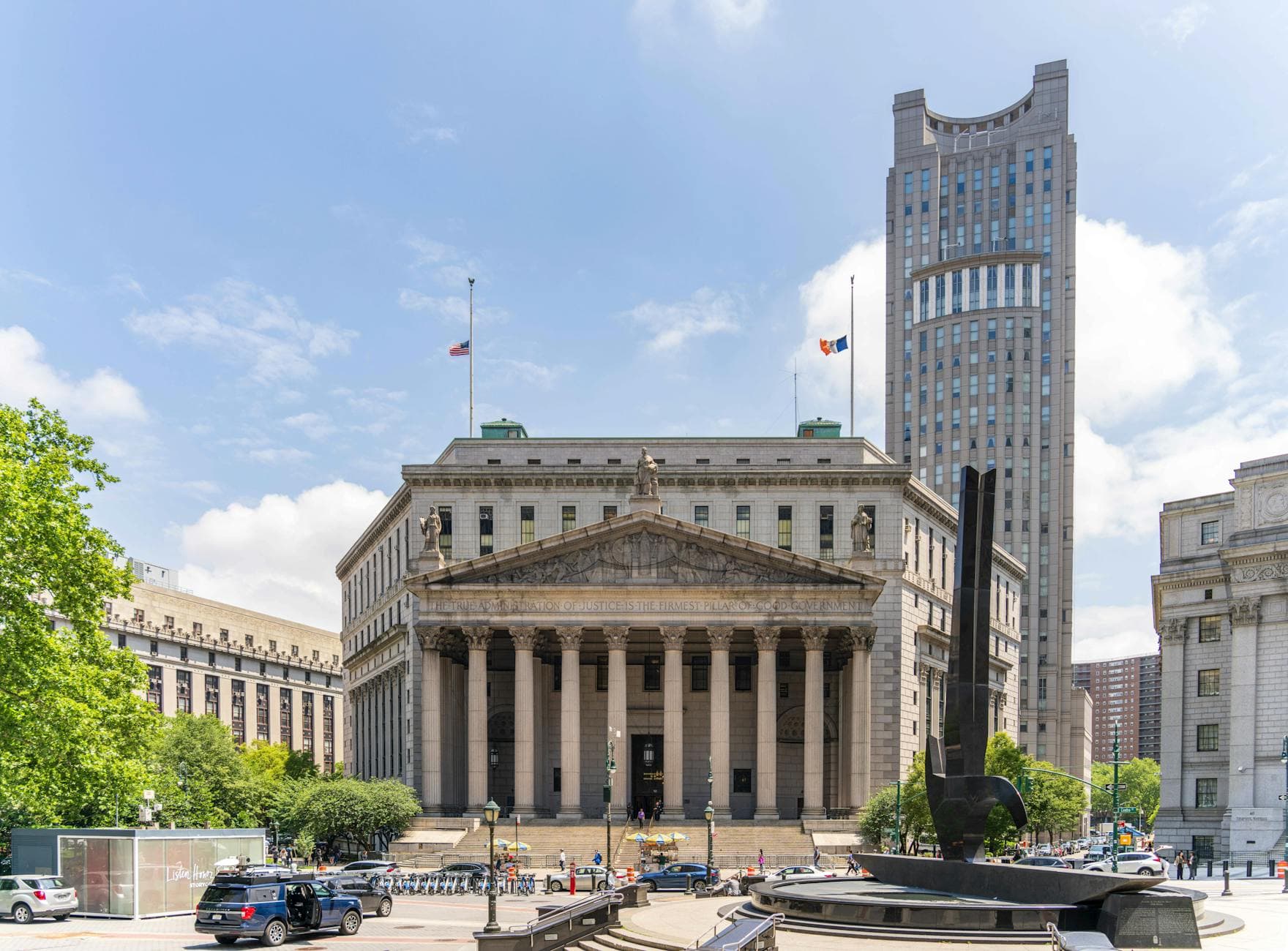
The larger question is whether a deal would invite other claims from property owners, and possibly from industries that say pandemic-era restrictions cut into their income without compensation. For lawmakers and public-health officials, the case has become a stark reminder that emergency protections can carry long legal tails. For landlords, it is a bid for vindication as well as money.
This article was produced by Prism’s automated news system from verified source data, official records, and press releases, then run through automated quality and moderation checks before publishing. The system is built and supervised by the people who set the standards it runs under. Read our full AI policy.
Did this article answer your question?

