Lane County Search and Rescue: Steps If Lost or Injured on Trails
Lane County Search & Rescue provides free, 24/7 volunteer-led rescue and recovery across 4,600+ sq miles under ORS 404.200 — call 541‑682‑6411 if someone is lost or injured.
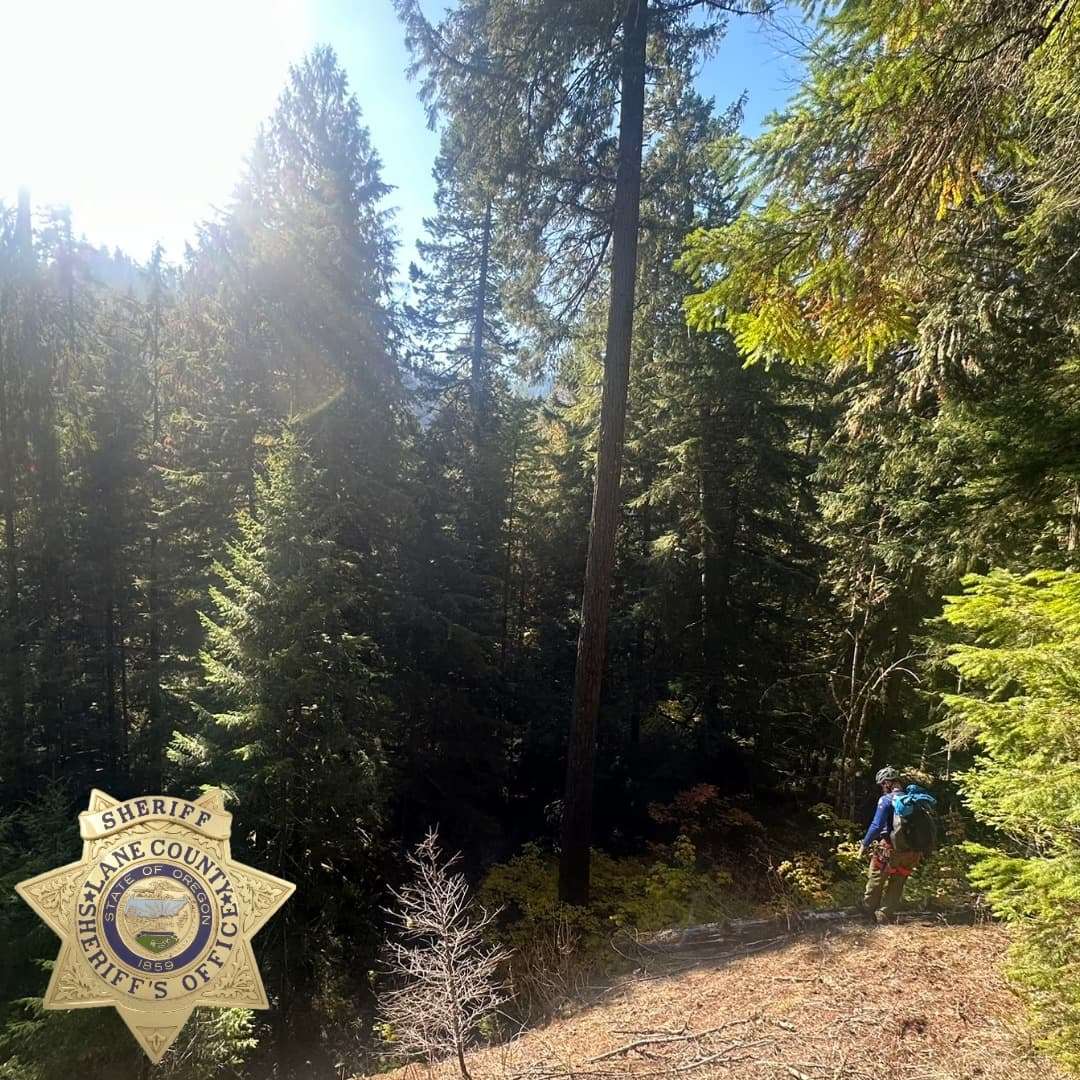
Lane County Search & Rescue (SAR) is a 24/7, volunteer-supported rescue and recovery system that covers more than 4,600 square miles of Lane County under the authority of ORS 404.200 and in coordination with the Lane County Sheriff’s Office. The program’s mandate is to respond to lost, injured, or missing people in natural and technological danger, and those services are provided at no cost to the person in need.
What SAR does and how it’s organized Lane County SAR’s published mission list states: "Our functions include, but are not limited to: organized searches for lost or missing subjects, providing basic wilderness medical aid when needed, transporting injured subjects from remote or wilderness locations, recovery of deceased subjects, aircraft and personal locator beacon searches, evidence searches in support of criminal investigations, disaster response, and general logistical support of Sheriff's Office personnel." Those operations are carried out by specialized volunteer groups organized under the Sheriff’s Office, with mutual-aid capability to assist neighboring counties when requested.
Named teams and specialties The SAR program consists of multiple teams and affiliated groups: Lane County Sheriff’s Ground Search and Rescue (GSAR, noted as the largest and most active group), Eugene Mountain Rescue (EMR), the Lane County Search Dog Team (K‑9), a Water Search and Rescue Unit that includes a Dive Team, a Special Vehicles Group, Lane County Amateur Radio Operators, and a SAR Youth Program (Explorer Team and Ground Camp). Each team fills a distinct role — EMR for technical mountain operations, K‑9 for scent searches, dive and water units for river and lake responses, and 4x4 volunteers for off‑road access — a breadth Tim Chase summarized when describing the county’s capabilities.
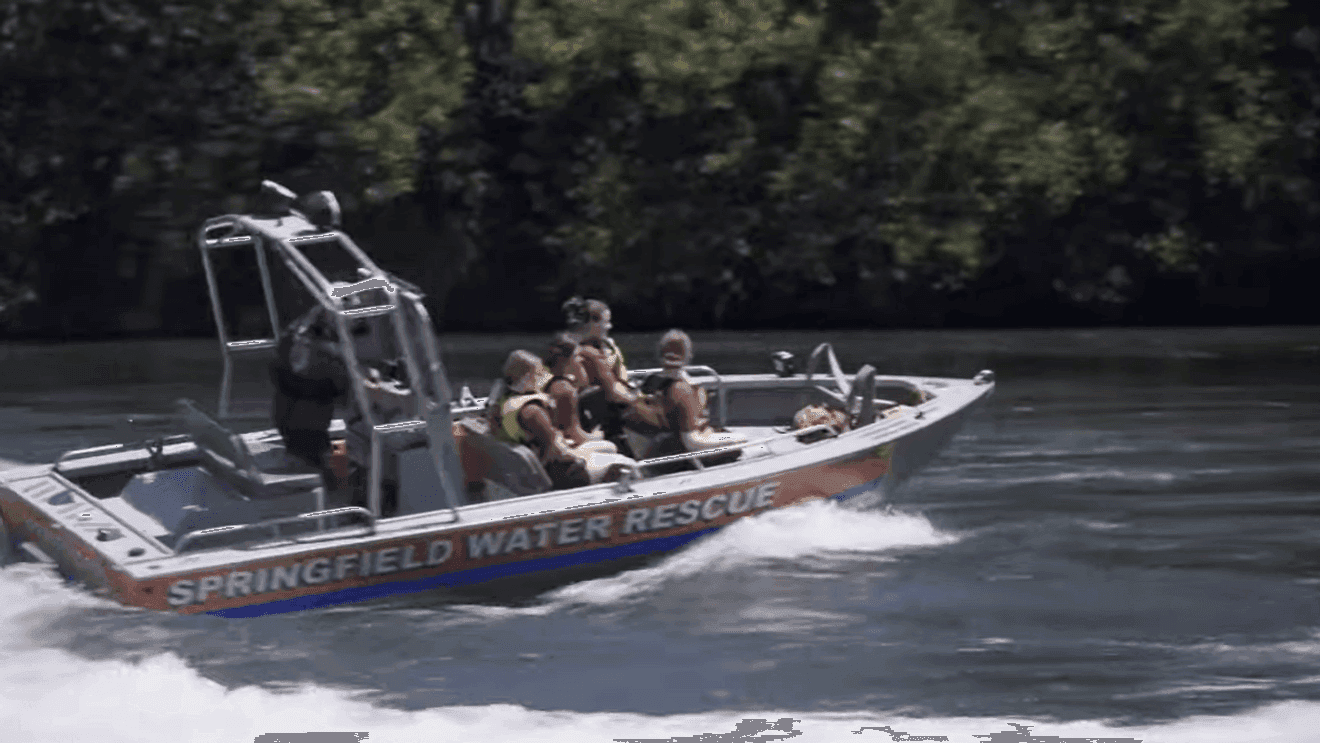
Operations, mission types and geography County materials and an SAR infographic show a varied mission profile: Rescue (water) is listed at 40% of incidents while Missing Person (land) accounts for 37%; Ground SAR is shown as 32% of operations and Self-recovered cases at 22%. The county report also records that in 2014 Lane County SAR responded to 87 missions, and that almost half of land missions took place on U.S. Forest Service property (46%), with 57% occurring on some sort of federal land overall. For water work, the county notes that "78% of water missions occur on state land, as most bodies of water in Lane County are considered owned by the state." Those land‑use patterns help explain why water teams and dive capabilities are critical in places like the McKenzie, Willamette and other state‑owned waterways.
Who makes the responses: volunteers and staff Lane County SAR relies heavily on volunteers. County materials state the program "relies on the efforts of approximately 225 volunteers, one paid full‑time employee, and a part‑time as‑sistant." A local news profile quotes SAR Coordinator Tim Chase saying the county’s SAR brings on "roughly 150 volunteers" and that LCSO recruits 20–30 new volunteers each year. Both figures are explicitly reported in county and media sources; they likely reflect different counting methods (for example, total affiliated volunteers versus currently active members) or different reporting dates. Tim Chase also told reporters that volunteers "are trained and certified for between 100 - 150 missions every year," a phrase that the county and news coverage present as a measure of training intensity and readiness.
Recruitment, training and community outreach Lane County’s official SAR pages direct potential volunteers to the FAQ for details, but they also state a current pause in intake for some teams: "Lane County Search and Rescue (SAR) is not currently accepting volunteers for the Ground Search and Rescue team, Eugene Mountain Rescue team, Youth SAR, and Lane County Search Dog team. If you are interested in being contacted once we open up recruitment or are interested in joining one of our other teams (details below), please contact us by email." Training activities and outreach are regular parts of the program: county photos and captions show EMR on the Middle Sister, SKED carrying practice during SAR 101, newly certified K‑9 teams, and a Lifejacket Ex-change event at Cabela’s in Springfield where SAR Coordinator John Miller worked to "make sure every child recreating in or near the water has a properly fitting child’s lifejacket."
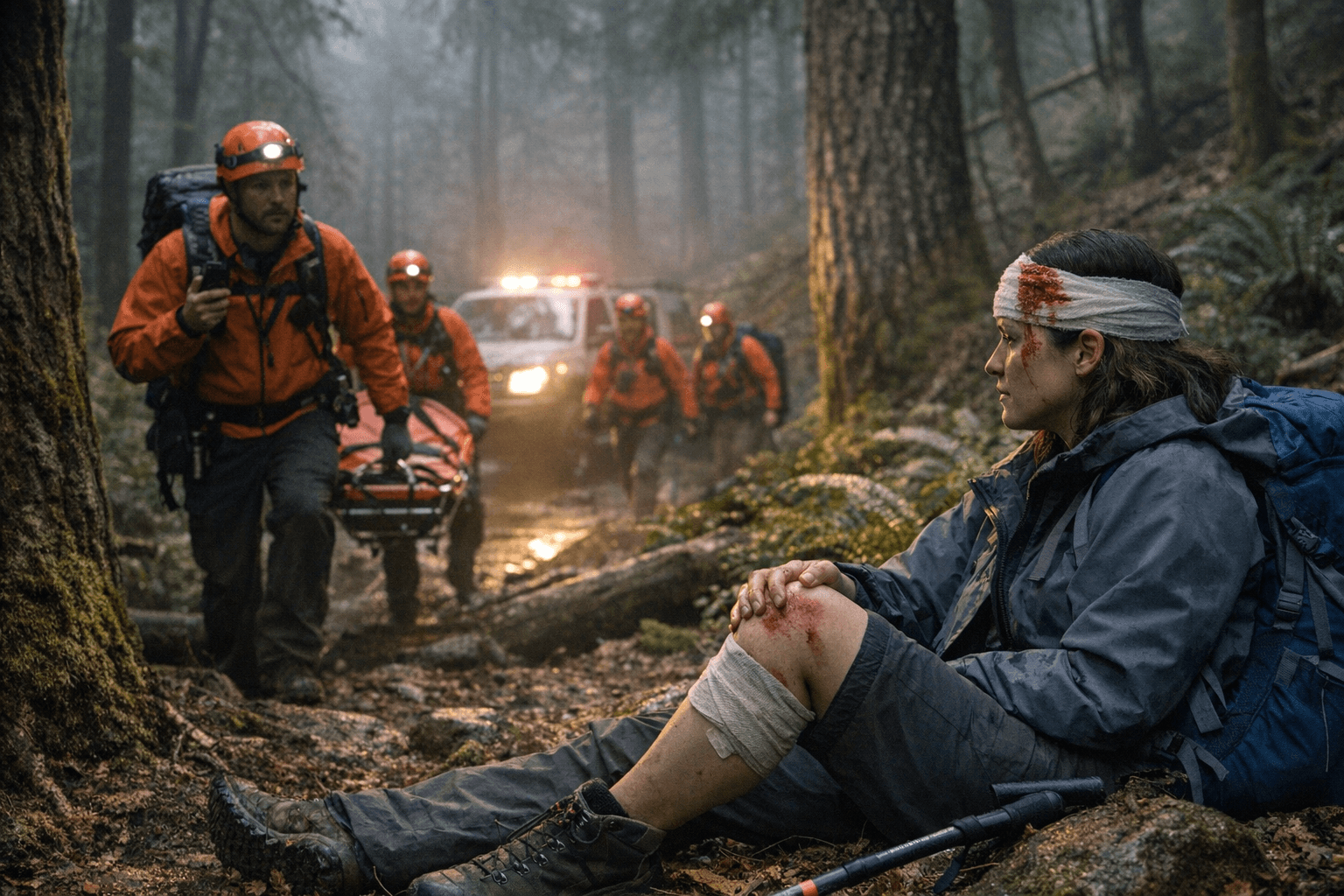
If you are lost or injured on a Lane County trail: step-by-step When a person is lost or injured, every minute matters. Follow these steps for the best chance of a quick, safe outcome: 1. Stop moving and assess your injuries. If you or someone with you is seriously injured, move only to the extent necessary to avoid further harm and to find shelter from exposure. 2. Make yourself locatable. Turn on your phone’s location services and call 911 as soon as you can; the Lane County Sheriff’s Office will coordinate SAR resources. If you have a personal locator beacon or activated a satellite messaging device, tell 911 your beacon/message was sent and any coordinates shown. 3. Stay put if you can and build a visible signal. Staying in one place helps search teams narrow a search area; shelter and conserve energy and water while creating visible signals (bright clothing, whistle blasts, fire if safe). 4. If you must move, leave clear markers of direction and time. Backtracking along a trail or leaving notes at junctions helps search teams and reduces the area they must search. 5. Use layers and emergency kit items to prevent exposure. Tim Chase advises wearing appropriate shoes and clothes, bringing an emergency kit and blanket, and preparing for the unexpected with extra food and water. 6. Tell someone before you go next time. Tim Chase stresses: always tell someone where you’re going and when you expect to return so SAR has a starting point if you don’t come back.
- "I prepare myself, bring water, some food, always bring my phone, and always travel with other people," says hiker Kingsli Roberts — a simple checklist worth sharing before you head out.
- Use marked trails; trails are not sidewalks, and as Tim Chase notes, "trails will have weak spots or loose spots. There'll be rocks and roots and things that can trip someone."
- Avoid water beyond your training and gear: "Sometimes people bite off more than they can chew. They maybe get into water that's more difficult than their training or their gear is good for," Chase warns.
Quick field tips (bite‑size and shareable)
Cost, donations and how SAR is funded Rescue services are provided at no cost to those who become lost or injured in Lane County. The program depends on volunteers and public support; donations are "appreciated and tax‑deductible," and the county points to an online payment portal for donations. The SAR web pages recommend contacting the GSAR Board of Directors (via the Contribute page) for donation details and tax-deduction information.
How to reach SAR and where to get help now If someone is lost or injured, call 911. For general SAR information, administrative contact or donations, Lane County lists the Sheriff’s Office SAR contacts and address: 125 E. 8th Ave., Eugene, OR 97401; phone 541‑682‑6411 or 541‑682‑4369; fax 541‑682‑3309. The county’s SAR pages are hosted through the Lane County website and provide volunteer FAQs, mission summaries and event notices.
A note about numbers and recent incidents County reports show historical mission data — including a 2014 total of 87 SAR missions and detailed mission‑type percentages — while media profiles and SAR staff quotes provide contemporary context about recruiting and training. A YouTube item titled "Lane County Search and Rescue explains 'miracle' rescue of missing 76-year-old woman" exists in public video archives (metadata shows 164 views and posted about a year ago), but official incident details should be obtained from the Sheriff’s Office for accurate reporting. Discrepancies such as volunteer counts (the county report’s "approximately 225 volunteers" versus Tim Chase’s "roughly 150 volunteers") appear in public sources and likely reflect different counting methods or timeframes.
Conclusion Lane County’s SAR system — a state‑mandated, Sheriff’s Office‑coordinated program staffed largely by volunteers — combines community training, technical teams and public education to cover rugged federal forests and state waterways across the county. The clearest prevention remains local: plan ahead, tell someone your route, carry the right gear, and call 911 immediately if someone is lost or injured; the county’s volunteer teams and paid staff will respond around the clock.
Know something we missed? Have a correction or additional information?
Submit a Tip