Large-scale dog seizures reported across U.S., each involving 90-plus animals
Multiple large-scale dog seizures occurred across the U.S., each involving 90-plus animals; local shelters should prepare for possible increased demand and policy scrutiny.
Multiple separate animal seizures and rescues in recent weeks have exposed widespread overcrowding and prompted criminal and welfare investigations in several states, leaving shelters and volunteers scrambling to provide care.
In San Diego County, San Diego Humane Society law enforcement officers removed 92 Yorkies and Yorkie mixes from a North County home after finding animals in overcrowded and deplorable conditions. The dogs were triaged on scene and transported for veterinary care, vaccinations, and behavior assessments. Dr. Gary Weitzman, president and CEO of San Diego Humane Society, said, “We always dread seeing a situation like this. It's tragic for the animals and often for the people involved. But when this happens, our first response is always for the animals," and added, "In this case nearly 80 of them. We want to get them away from a dangerous situation as quickly and compassionately as possible both for the animals and the people involved."
In Belmont County, Ohio, the Belmont County Animal Rescue League requested assistance after finding more than 90 neglected mixed-breed dogs on a Shadyside property. The ASPCA provided operational planning, removal support, evidence collection, forensic exams, legal assistance, and relocation to an ASPCA emergency shelter. Teresa Ladner of the ASPCA emphasized the partnership with local officials and prosecutors: “Working alongside law enforcement and animal welfare professionals to assist with cases of cruelty and neglect is a key part of the ASPCA’s work to improve the lives of animals in communities nationwide,” and noted gratitude for collaboration that will bring the animals to safety and care. BCARL Director Howard Goldman said the group contacted the ASPCA when the case “would tax our resources,” thanking local law enforcement and Adult Protective Services for their cooperation.
A Bedford County, Pennsylvania, seizure left a local shelter overwhelmed after officers removed 96 dogs from a house on Old Route 220. Central PA Humane Society described the animals as “living in their own feces in crates.” Shelter manager Kathy Ramsey said capacity had been exceeded, a shelter built to comfortably hold about 45 dogs reported roughly 115 in its care after intake, and volunteers stayed late to clean and stabilize animals. “We had to put big dogs in small crates and that stresses them out and so I don’t like doing that but we had to do it we had no choice,” Ramsey said, adding hopes to ready animals for adoption in a matter of weeks.
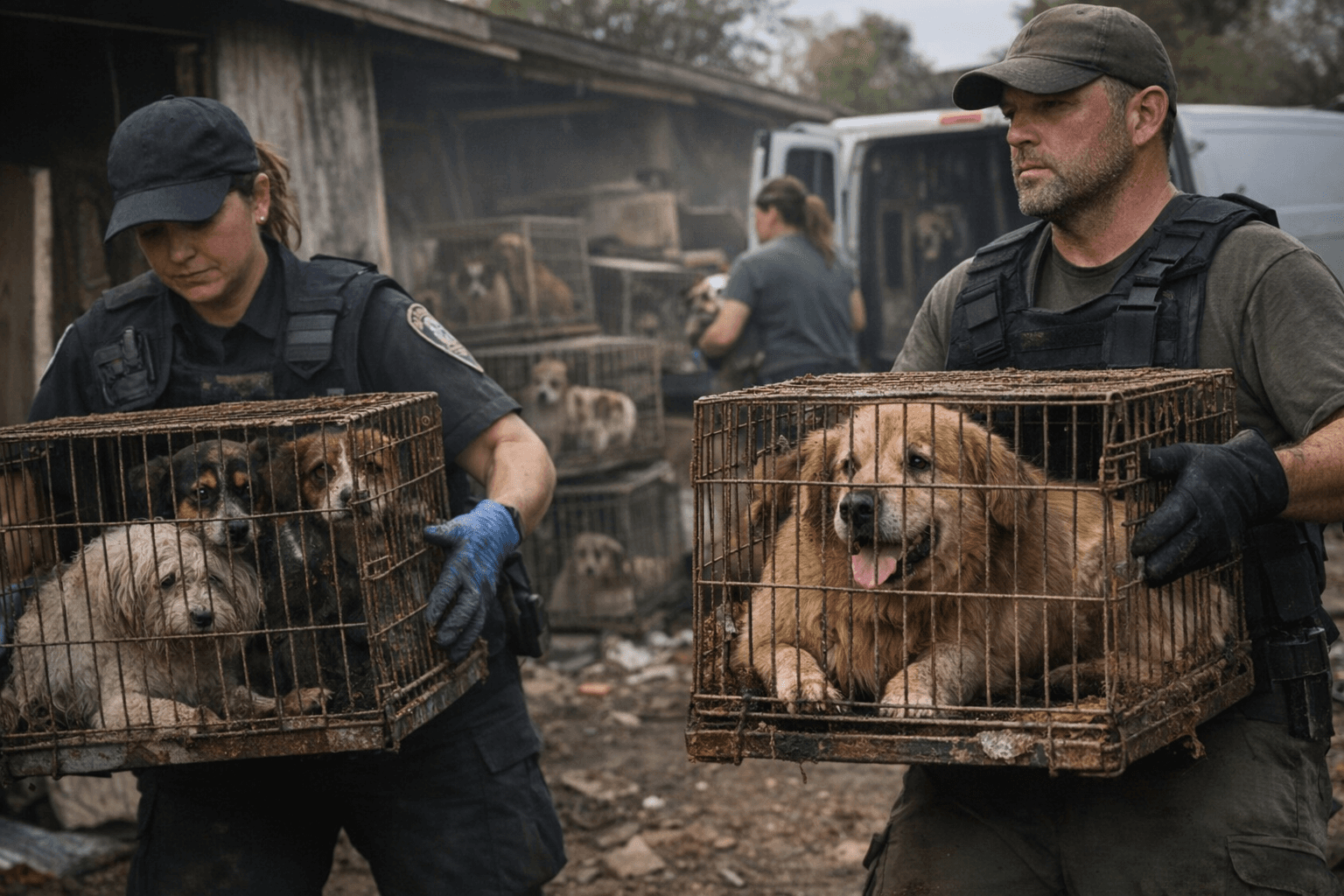
Butler County, Ohio, investigators seized nearly 90 dogs from a rescue tied to Rhonda Murphey and Helping Hands for Furry Paws and reported that dozens of other dogs were found dead. Deputies and dog wardens said animals were kept in cages with urine and feces, without food or water, and in unventilated spaces, conditions the sheriff’s office described as “the most horrible conditions they have ever seen.”
San Juan County readers should note the policy and operational consequences of these cases. Large seizures routinely strain medical, sheltering, and volunteer resources and can prompt prosecutions, reforms in licensing and oversight of rescue operations, and debates over enforcement capacity. Local animal control and shelter staff may need surge support if any animals are relocated to the region, and county officials should review readiness for large-case response, including quarantine logistics, foster pipelines, and funding for emergency veterinary care.
Investigations and prosecutions are ongoing in several jurisdictions; the coming weeks will reveal animal dispositions, charging decisions, and potential policy responses. Residents can help by supporting local shelter fund drives, volunteering if trained, and reporting animals at large to local animal control so officials can intervene earlier.
Know something we missed? Have a correction or additional information?
Submit a Tip