LATAM Cuts 2026 Profit Outlook as Jet Fuel Costs Soar
LATAM cut its 2026 profit outlook after Middle East fuel shocks added $40 million in first-quarter costs and threatened a much bigger second-quarter hit.
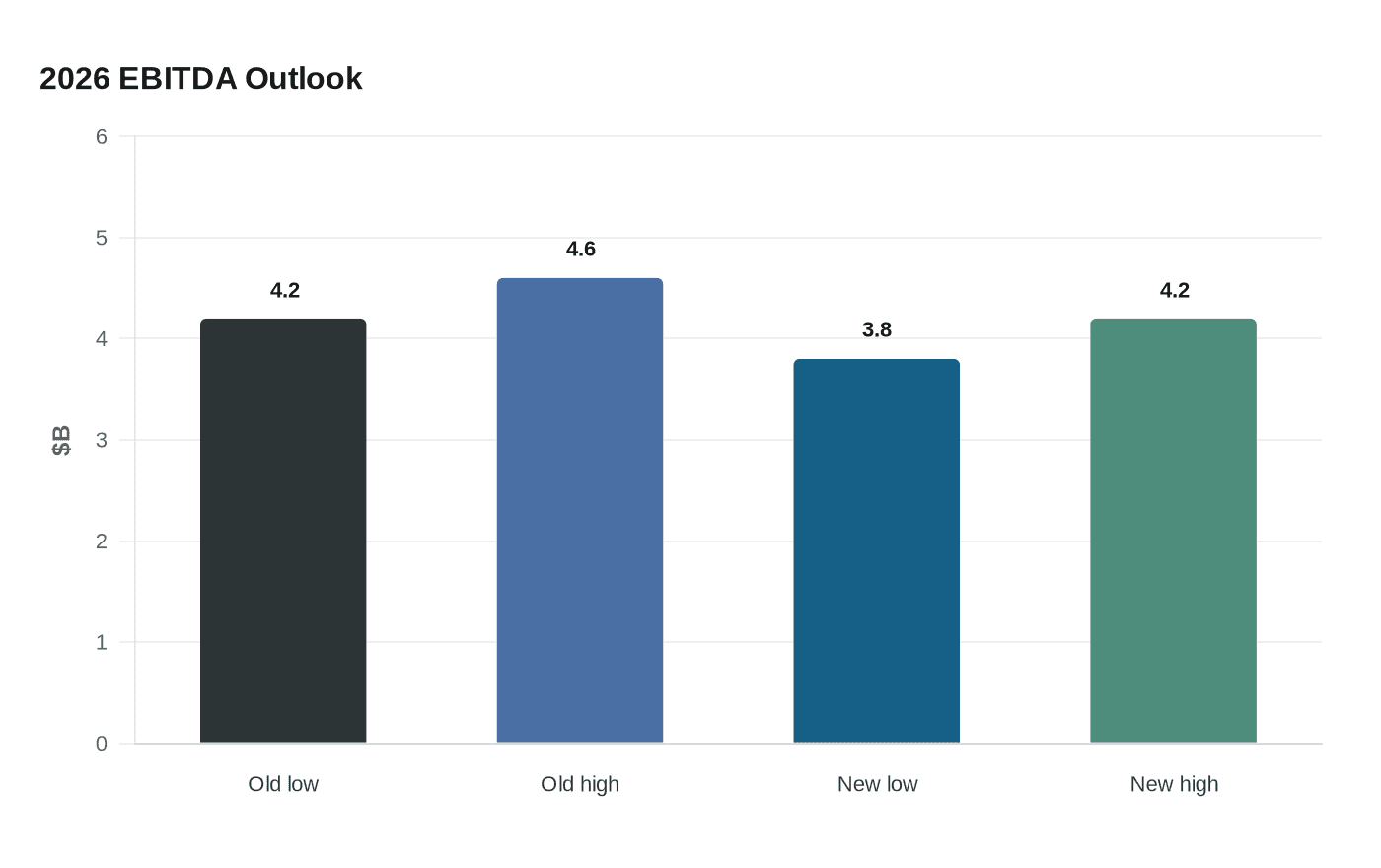
Higher jet fuel prices tied to the Middle East conflict are already reaching airline budgets, route planning and ticket prices in the Americas, and LATAM Airlines Group has become a sharp example of how fast the shock can move through the industry. The Santiago-based carrier cut its 2026 adjusted EBITDA outlook to $3.8 billion to $4.2 billion from $4.2 billion to $4.6 billion after fuel costs jumped, even as travel demand remained strong.
LATAM said the fuel spike has already cost it about $40 million in the first quarter and warned that second-quarter fuel expenses could rise by more than $700 million if jet fuel averages $170 a barrel. The airline updated its assumptions to $170 a barrel for the second and third quarters and $150 a barrel for the fourth, saying hedging and pricing delays softened part of the impact but not enough to keep the earlier profit target. It also lowered its adjusted passenger unit cost excluding fuel to 4.50 cents to 4.70 cents, while projecting liquidity of at least $4.5 billion and adjusted net leverage at or below 1.8 times.
The profit warning came alongside still-solid operating results. LATAM reported first-quarter adjusted EBITDA of $1.3 billion, net income of $576 million and an adjusted operating margin of 19.8%. Passenger traffic rose to 22.9 million, up 9.1% from a year earlier, while capacity increased 10.4% and the consolidated load factor reached 85.3%. Cargo affiliates moved more than 250,000 tons during the quarter, including flower-season exports from Colombia and Ecuador to the United States.
The company’s warning lands at a moment when the wider aviation sector is absorbing a fuel shock that industry officials say is linked to the escalation of conflict in the Middle East on February 28. The International Air Transport Association has said the Strait of Hormuz normally carries about 20% of the world’s oil supply, but tanker traffic through the waterway has collapsed by 70% to 80%. IATA also said 25% to 30% of Europe’s jet fuel demand originates in the Persian Gulf, underscoring why airlines far beyond the region are exposed.
LATAM entered 2026 in strong shape after closing 2025 with net income of $1.5 billion and more than 87 million passengers transported. The group says it is the largest airline group in South America, with more than 350 aircraft and more than 39,000 employees, and a network spanning Brazil, Chile, Colombia, Ecuador and Peru, plus routes to North America, Europe, Oceania and Africa. Its trimmed outlook shows that even a healthy airline can see margins squeezed quickly when oil markets and conflict tighten together.
This article was produced by Prism’s automated news system from verified source data, official records, and press releases, then run through automated quality and moderation checks before publishing. The system is built and supervised by the people who set the standards it runs under. Read our full AI policy.
Did this article answer your question?

%3Amax_bytes(150000)%3Astrip_icc()%2FCertificate-of-deposit-2301f2164ceb4e91b100cb92aa6f868a.jpg&w=1920&q=75)
