Trump Pauses Strait of Hormuz Mission Amid Iran Deal Hopes
Oil fell as Trump paused Project Freedom, signaling that a U.S.-Iran deal could reopen the Strait of Hormuz. The chokepoint carries about 20% of global crude.
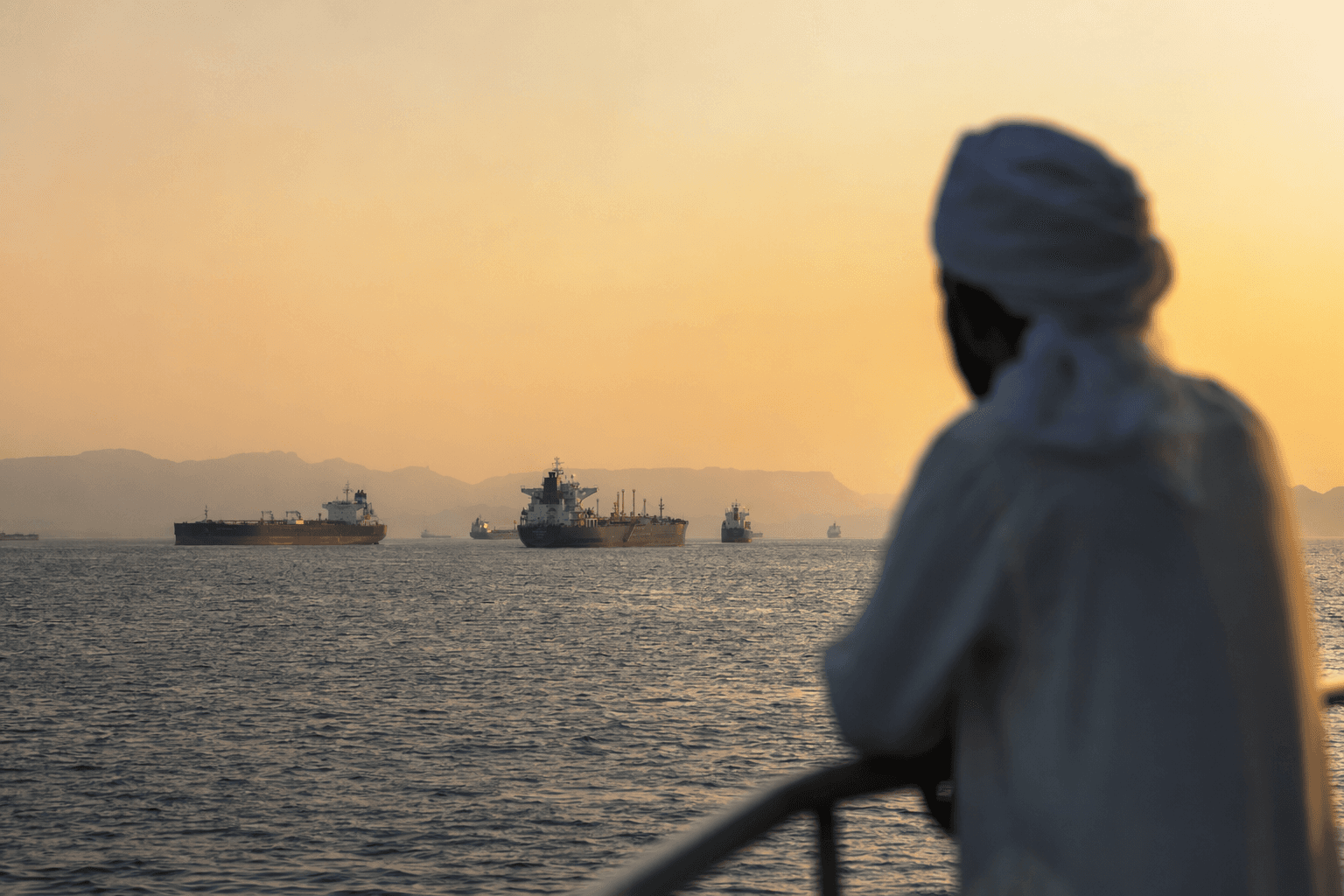
Oil prices eased after Donald Trump paused the U.S. mission to guide stranded commercial ships through the Strait of Hormuz, a move traders read as an early sign that the confrontation with Iran could de-escalate. Brent and WTI both fell in early Wednesday trade after Trump said the operation, known as Project Freedom, would be halted “for a short period of time” because the United States and Iran had made “Great Progress” toward a “Complete and Final Agreement.”
The decision came just a day after Project Freedom began on May 4, when the administration said it would help commercial vessels move through the narrow waterway that links the Persian Gulf and the Gulf of Oman. Trump said Pakistan requested the pause and has been helping mediate the talks, underscoring how quickly a regional security mission had become tied to diplomacy. Earlier, Trump had said the United States would try to “free” ships trapped by the strait’s closure.
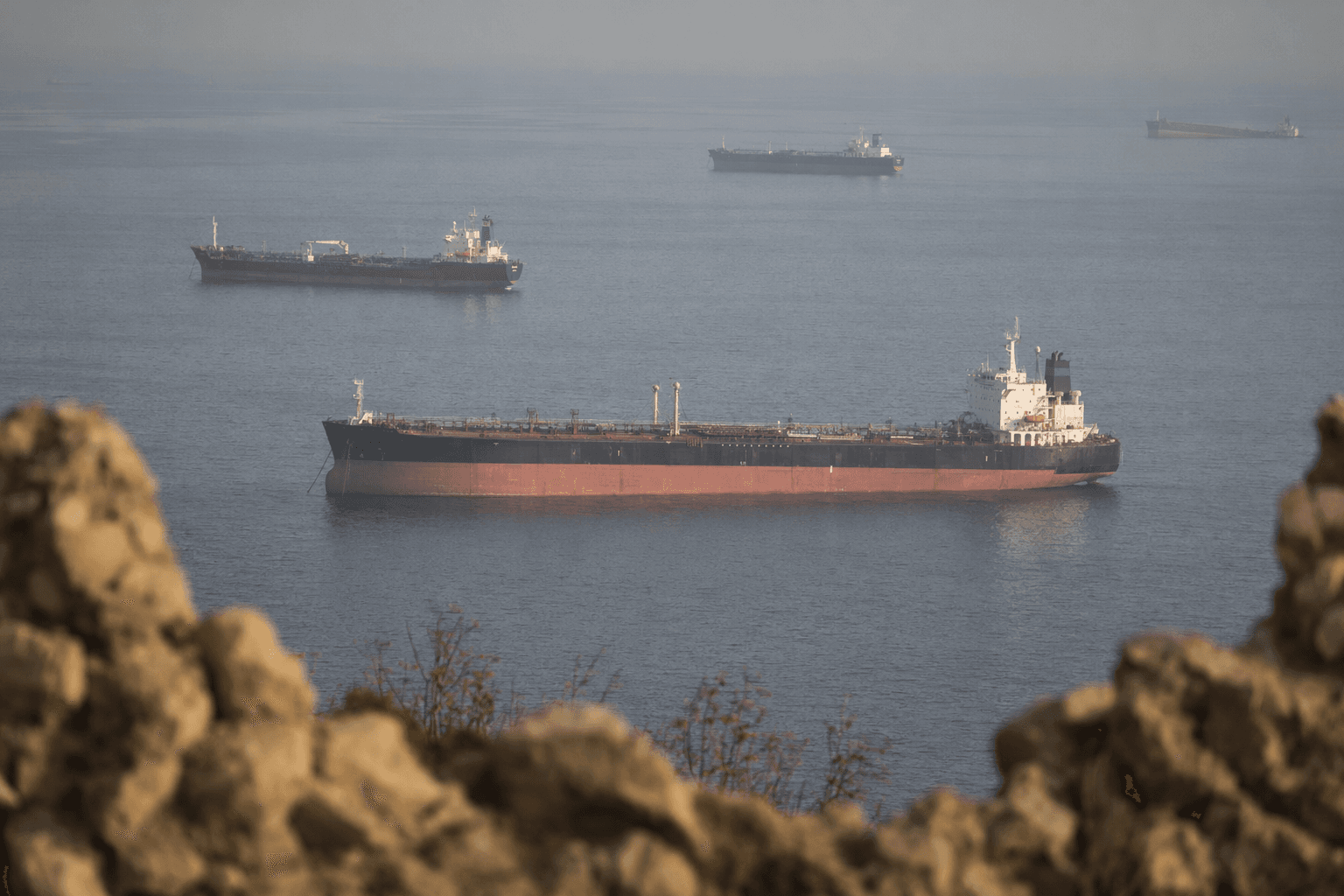
The market response was immediate because the Strait of Hormuz is one of the world’s most important energy arteries. Reuters has reported that the channel normally carries roughly 20% of global crude oil, and the latest conflict had already shaken shipping and insurance markets. Reuters also said oil fell for a second day on Wednesday as traders bet that some supply from the Middle East could eventually resume if the peace push holds.
Still, the pause did not erase the security problem. The International Maritime Organization urged vessels to exercise “maximum caution” in the area and said it was working on contingency planning for about 800 ships and roughly 20,000 seafarers. CNBC cited experts saying Project Freedom did not solve the underlying risk because shipping companies still face uncertainty, higher insurance costs and the threat of Iranian attacks. Reuters said major shipping companies were likely to wait for an agreed end to hostilities before trying to transit.
The latest escalation had already shown how fragile the corridor remains. Reports said Iran launched attacks in the Gulf and on the United Arab Emirates, while the United States said it destroyed several Iranian boats that tried to interfere with Project Freedom. Earlier reports also said Iran had sent a peace proposal through Pakistani mediators, before Trump initially responded skeptically and then softened his stance. For oil markets, the immediate signal was lower prices; for the region, the bigger question is whether a pause in the sea lane can become a durable diplomatic opening.
Know something we missed? Have a correction or additional information?
Submit a Tip