Latin American governments push back on U.S. forced-labor tariffs
Mexico, Peru, Guatemala and Ecuador fought U.S. forced-labor tariffs, warning compliant exporters could pay 10% to 12.5% duties for abuses elsewhere.

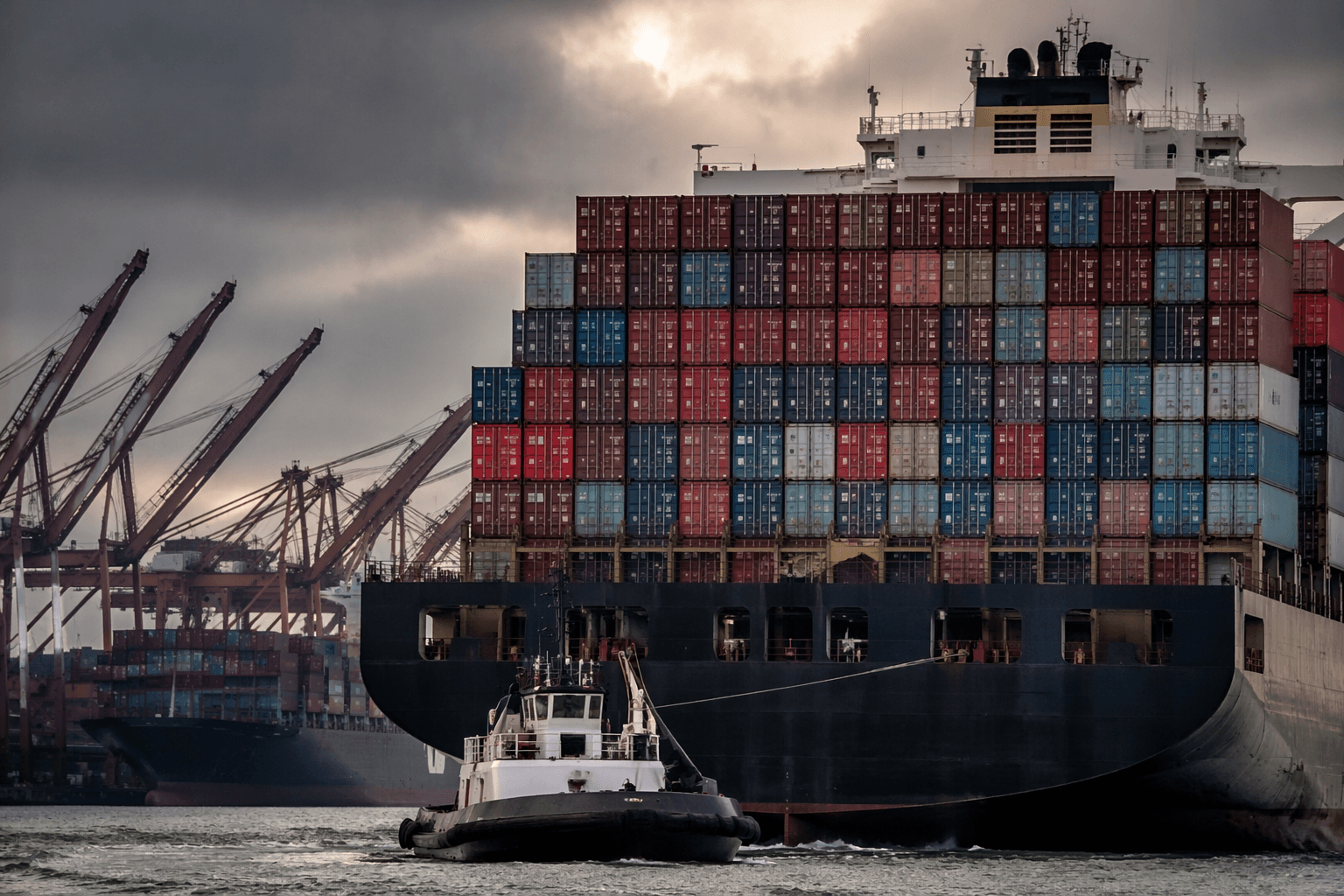
At a hearing in Washington, Mexico, Peru, Guatemala and Ecuador pressed the United States to exempt their exports from a new round of forced-labor tariffs, arguing that the plan would punish compliant companies instead of the operators behind abusive supply chains. The Office of the United States Trade Representative is moving ahead with a proposal to impose duties of 10% to 12.5% on goods from 59 countries and the European Union.
The hearing, held at the U.S. International Trade Commission from July 7 through July 9, was part of the legal process for Section 301 duties. There was no livestream, and a transcript will be posted afterward. USTR launched the investigations on March 12 and on June 2 found that the acts, policies and practices of 60 economies were actionable under Section 301. Those economies account for more than 99% of U.S. imports in 2024.
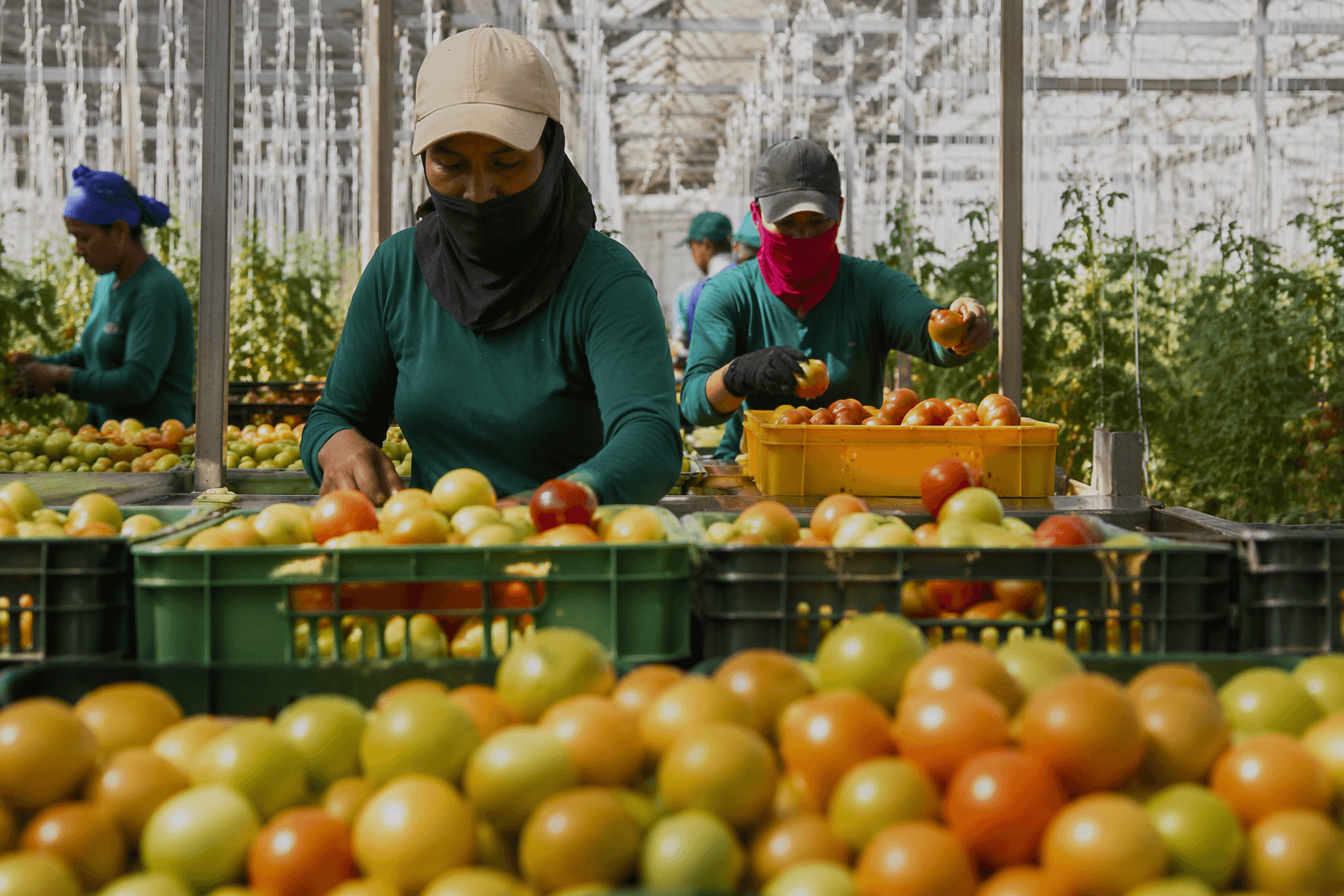
Mexico pressed the hardest on narrow exemptions. Mexican officials said roughly 85% of Mexico’s exports to the United States qualify under United States-Mexico-Canada Agreement rules of origin and would be exempt. Goods already covered by Section 232 orders, including autos, steel and aluminum, would not be affected. Mexico further argued that there was no evidence forced-labor goods were entering the United States through Mexican territory, and that an added tariff would hit thousands of companies that are already in compliance.
Peru, Guatemala and Ecuador said they already have laws and enforcement systems in place to combat forced labor, and that a tariff layered on top of those controls would do little to stop abuse in far-flung supply chains. A group of 22 Democratic state attorneys general filed objections, saying the proposal looked like an abuse of Section 301 authority and could invite a court challenge.
The duties are meant to confront unfair competition created by forced labor in foreign supply chains. The International Labour Organization estimated 28 million people were in forced labor in 2021, up 2.7 million from 2016, and USTR cites that figure to justify the action. The proposal also includes a textile mechanism that would allow some apparel and textile imports to enter at a reduced Section 301 tariff rate.
A temporary 10% tariff is scheduled to expire on July 24.
This article was produced by Prism’s automated news system from verified source data, official records, and press releases, then run through automated quality and moderation checks before publishing. The system is built and supervised by the people who set the standards it runs under. Read our full AI policy.
Did this article answer your question?