Latino voters sour on Trump’s economy, but Democrats still face skepticism
Latino approval of Trump’s economy fell to 30% across eight battleground states, but Democrats still had not turned that anger into trust.
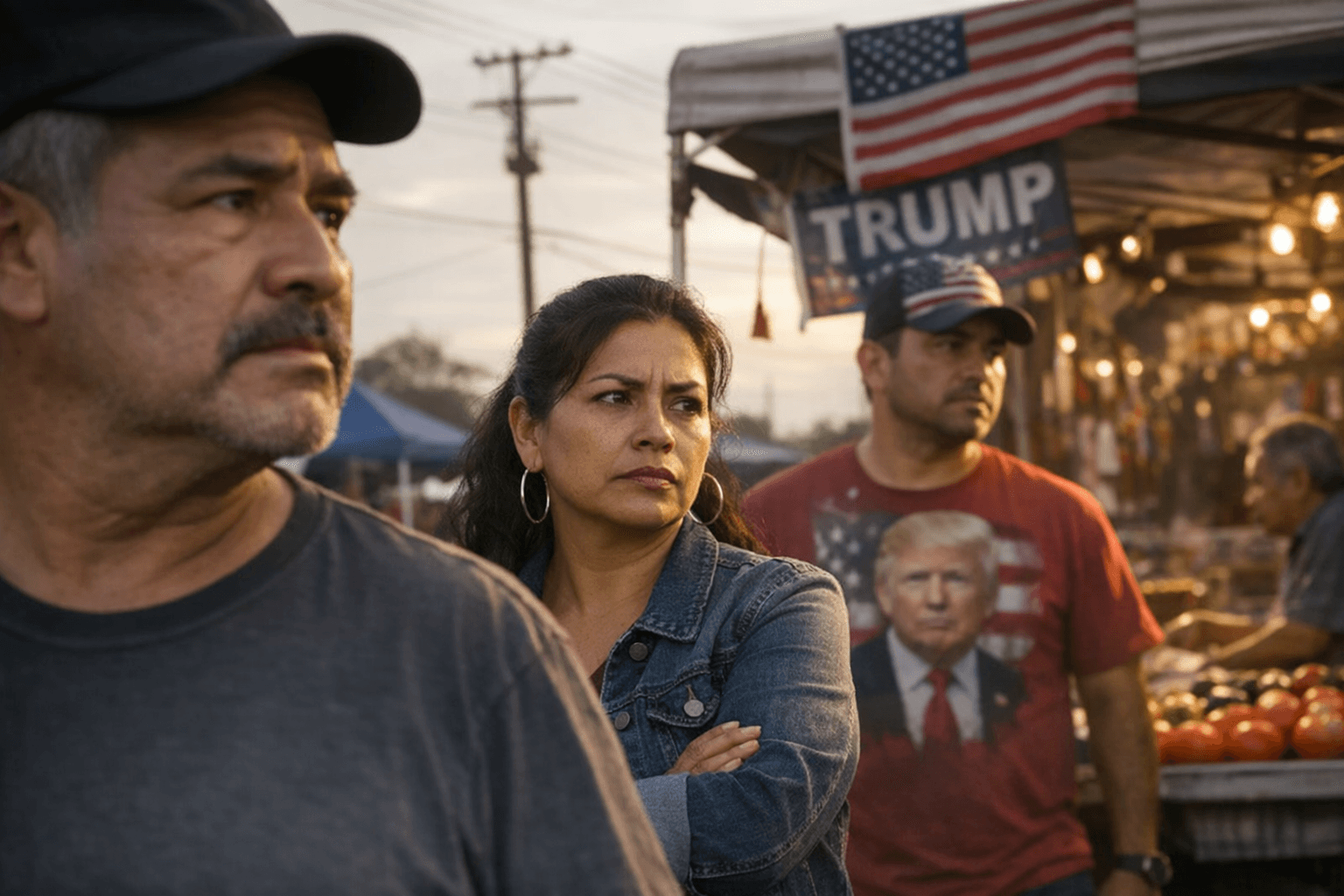
Latino voters in eight battleground states were turning against Donald Trump on the economy, but the Democratic opening remained fragile. In a poll of 1,600 Latino likely voters, just 30 percent approved of Trump’s economic performance, down from 36 percent last fall. The numbers suggest real erosion for a president who drew some Hispanic support in 2024 by tapping frustration over prices and affordability.
The survey covered Arizona, Georgia, Michigan, North Carolina, New Mexico, Nevada, Texas and Wisconsin, and it showed both Trump and Republicans deeply underwater with these voters in key swing terrain. Two-thirds of respondents said prices had gone up a lot over the past year, a sharp reminder that inflation remains the issue shaping daily judgment more than partisan message testing.
Even so, the poll did not amount to a Democratic breakthrough. Melissa Morales of Somos Votantes said the movement away from Republicans was real, but not a mandate for Democrats. That caution matters because many of the same voters who are souring on Trump’s economic record have not yet decided that Democrats understand their pressures any better. The opening is there; the conversion problem is still unsolved.
Rosa Mendoza, a pollster with Global Strategy Group, said the results were among the first she had seen showing a plurality of Latino voters trusting Democrats more than Republicans on the economy. But she also warned that campaigns will have to offer concrete solutions rather than rely on attacks on Trump. That distinction goes to the heart of the persuasion gap: discontent with one side does not automatically produce durable loyalty to the other.
The poll also found anxiety spilling beyond grocery bills and rent. Many respondents worried the war in Iran would push inflation even higher, a sign that foreign conflict was being filtered through a domestic cost-of-living lens. For Democrats, that means the argument cannot stay abstract. Voters in these states were signaling that they want immediate, credible answers on affordability, not just a change in tone.
The broader lesson for both parties is that Latino voters in battleground states were open to changing their minds, but not ready to hand over trust on faith. Trump’s economic standing had weakened; Democrats still had to prove they could speak to prices, wages and financial strain in a way that felt specific enough to stick.
This article was produced by Prism’s automated news system from verified source data, official records, and press releases, then run through automated quality and moderation checks before publishing. The system is built and supervised by the people who set the standards it runs under. Read our full AI policy.
Did this article answer your question?

