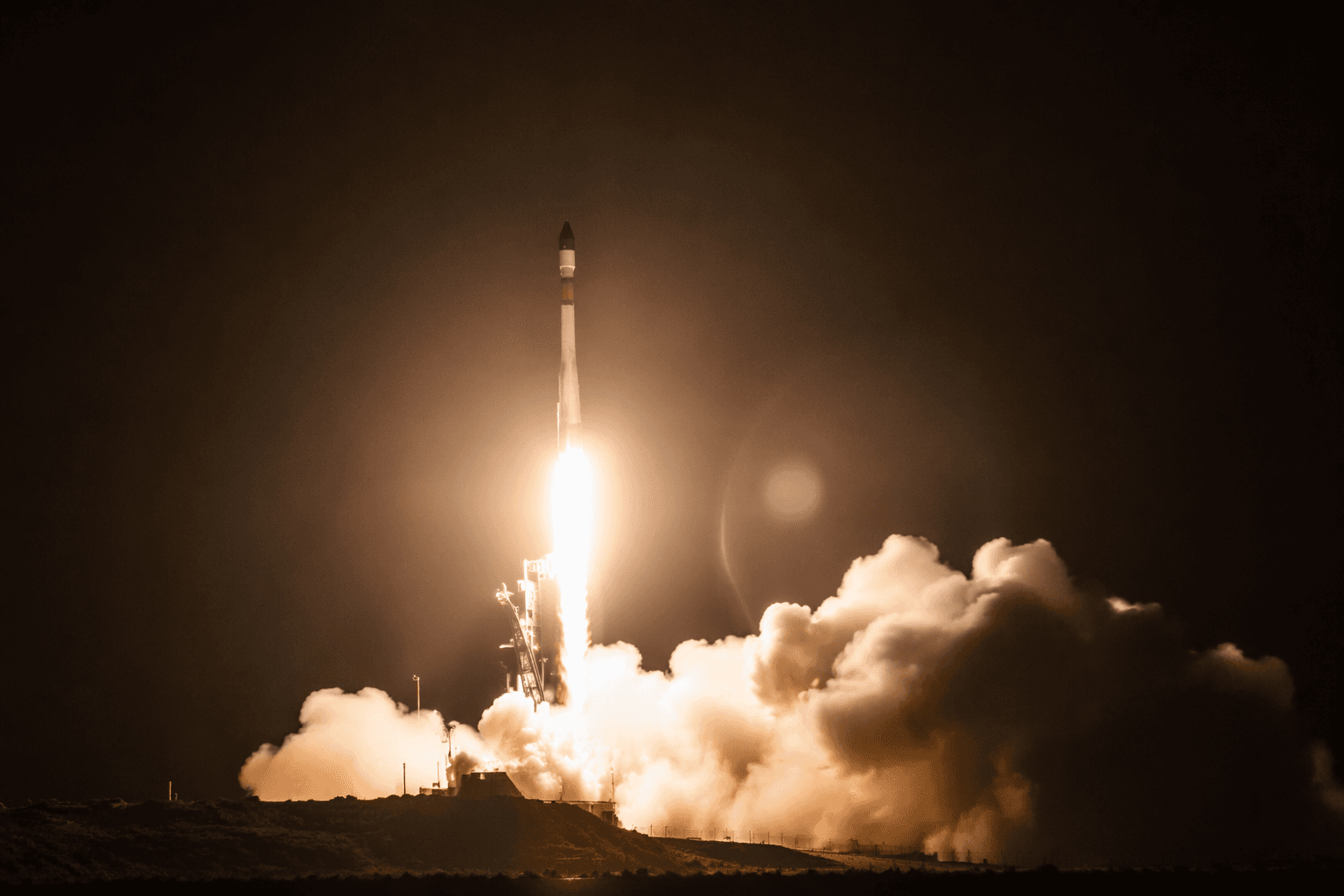
Launch glitch delays NASA mission to save Swift observatory
A software fault stopped Pegasus XL from releasing after takeoff, delaying NASA’s bid to raise Swift before solar drag pushes the observatory toward reentry.
A software issue halted Northrop Grumman’s Pegasus XL launch after the L-1011 carrier plane left the Marshall Islands, pushing back NASA’s urgent attempt to rescue the Neil Gehrels Swift Observatory. The launch vehicle problem temporarily prevented teams from deploying the rocket, and NASA set a Friday retry before later saying no new launch date had been locked in while engineers reviewed the aborted attempt.
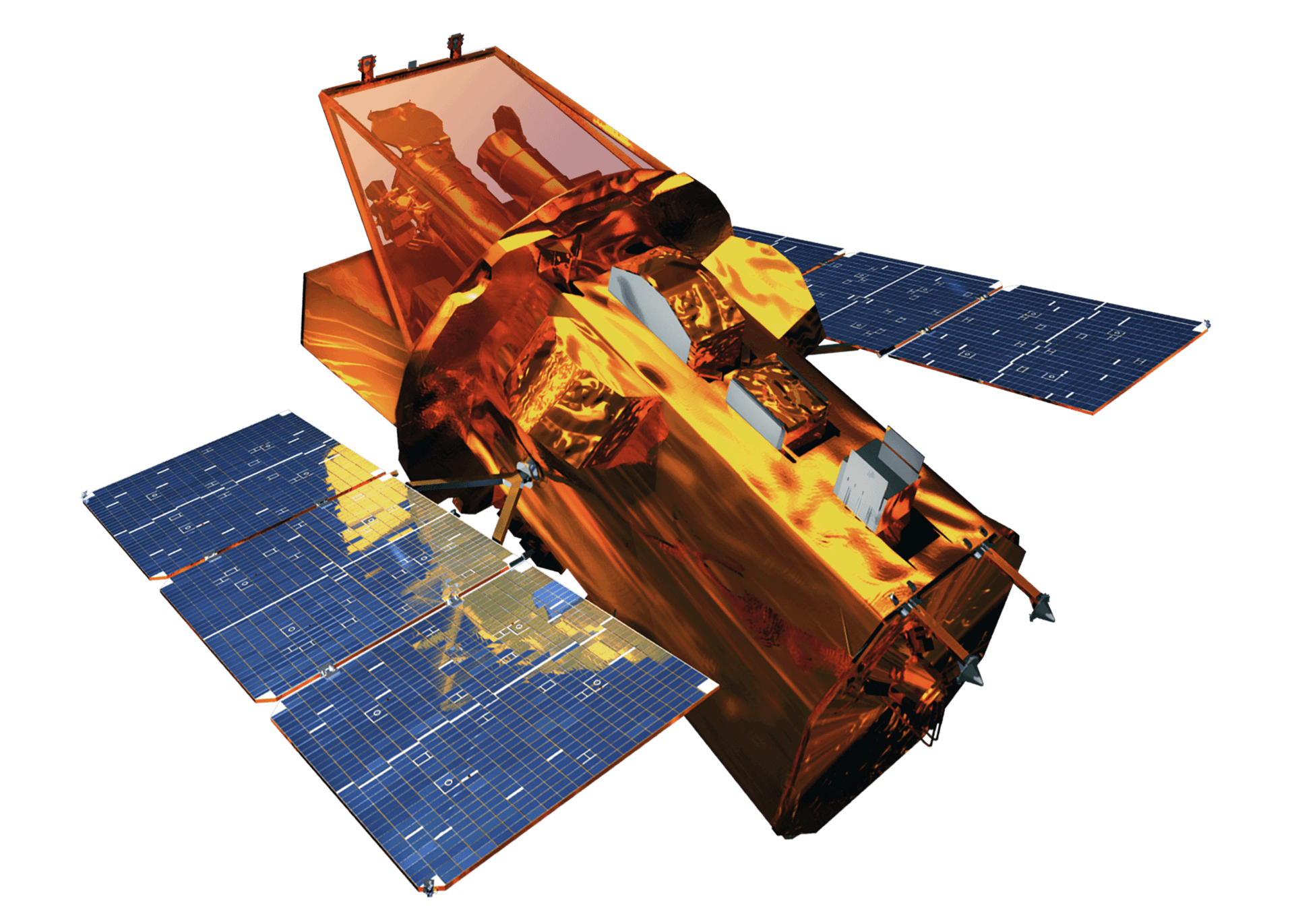
Swift, which launched on Nov. 20, 2004, from what is now Cape Canaveral Space Force Station in Florida, has been losing altitude faster as recent solar activity increases atmospheric drag. The spacecraft faces a growing risk of uncontrolled reentry by fall 2026 if nothing changes, and NASA temporarily suspended most science operations earlier this year to help preserve the orbit as long as possible.
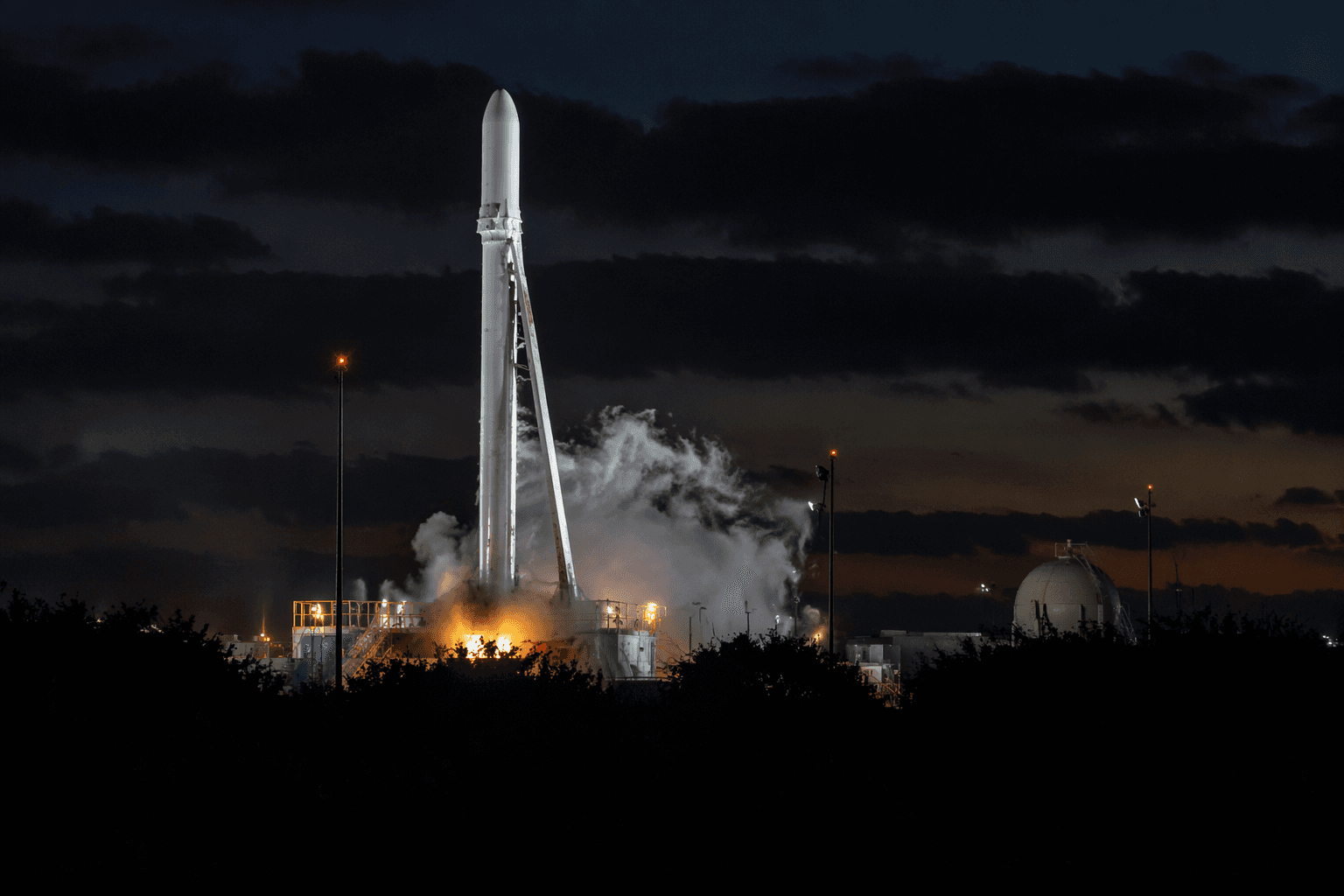
NASA hired Katalyst Space Technologies of Flagstaff, Arizona, in September 2025 for a $30 million attempt to raise Swift’s orbit. The company’s three-armed LINK spacecraft arrived at NASA Wallops Flight Facility in Virginia on June 5, and rocket integration was completed on June 9. If the mission succeeds, LINK will rendezvous with Swift, grapple the aging observatory and gradually boost it to a safer orbit over several months.
NASA says a successful boost would be the first time a commercial robotic spacecraft captures a government satellite that is uncrewed, or not originally designed to be serviced in space. Swift is an astrophysics multitool and a quick-response dispatcher for follow-up observations, especially of gamma-ray bursts, among the most powerful explosions in the universe. The observatory has helped astronomers detect thousands of cosmic events.
This article was produced by Prism’s automated news system from verified source data, official records, and press releases, then run through automated quality and moderation checks before publishing. The system is built and supervised by the people who set the standards it runs under. Read our full AI policy.
Did this article answer your question?