True Anomaly and Rocket Lab complete rapid Space Force rendezvous mission
Rocket Lab launched with 16 hours and 42 minutes’ notice, then True Anomaly closed in on a target spacecraft in a Space Force test of rapid orbital inspection.
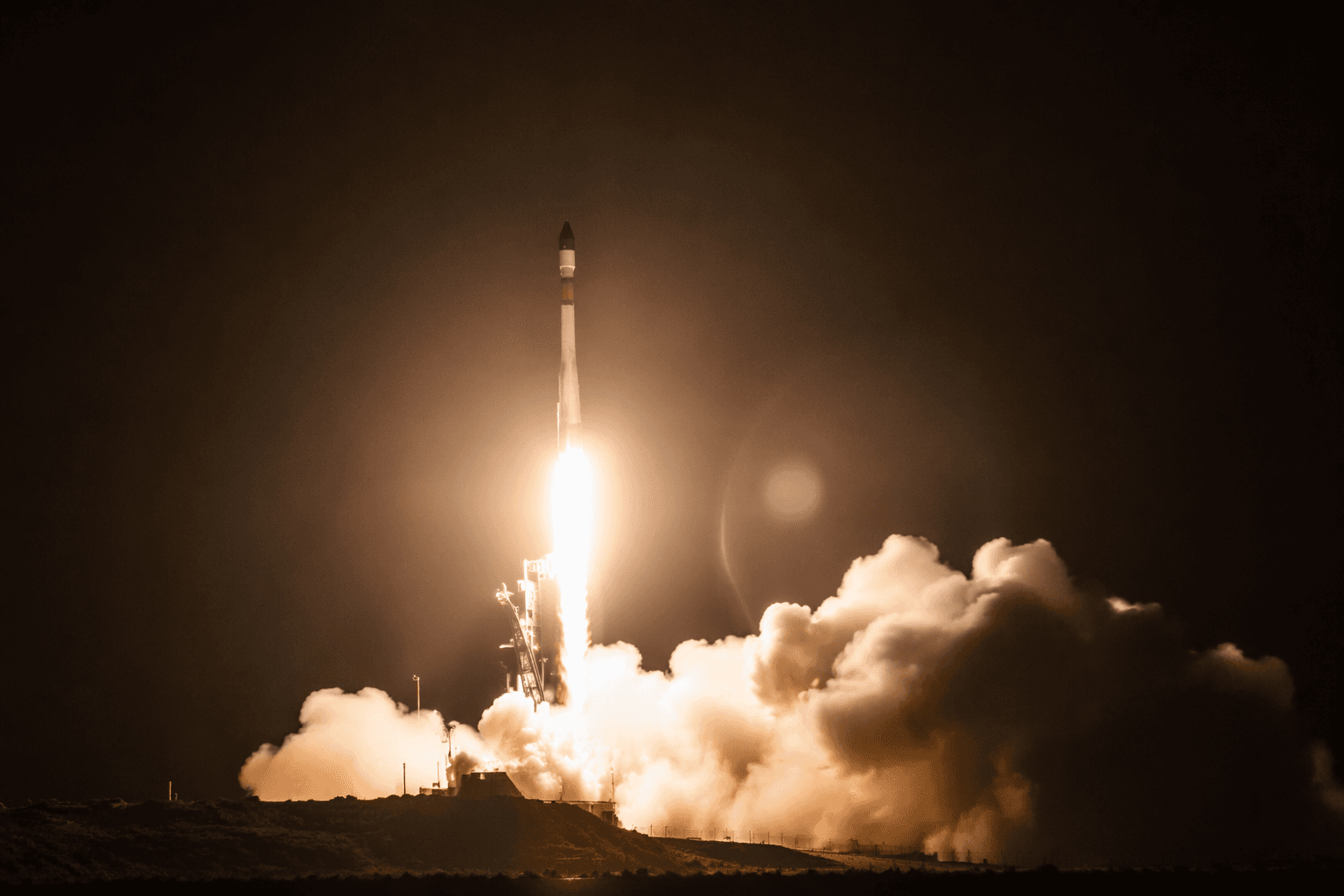
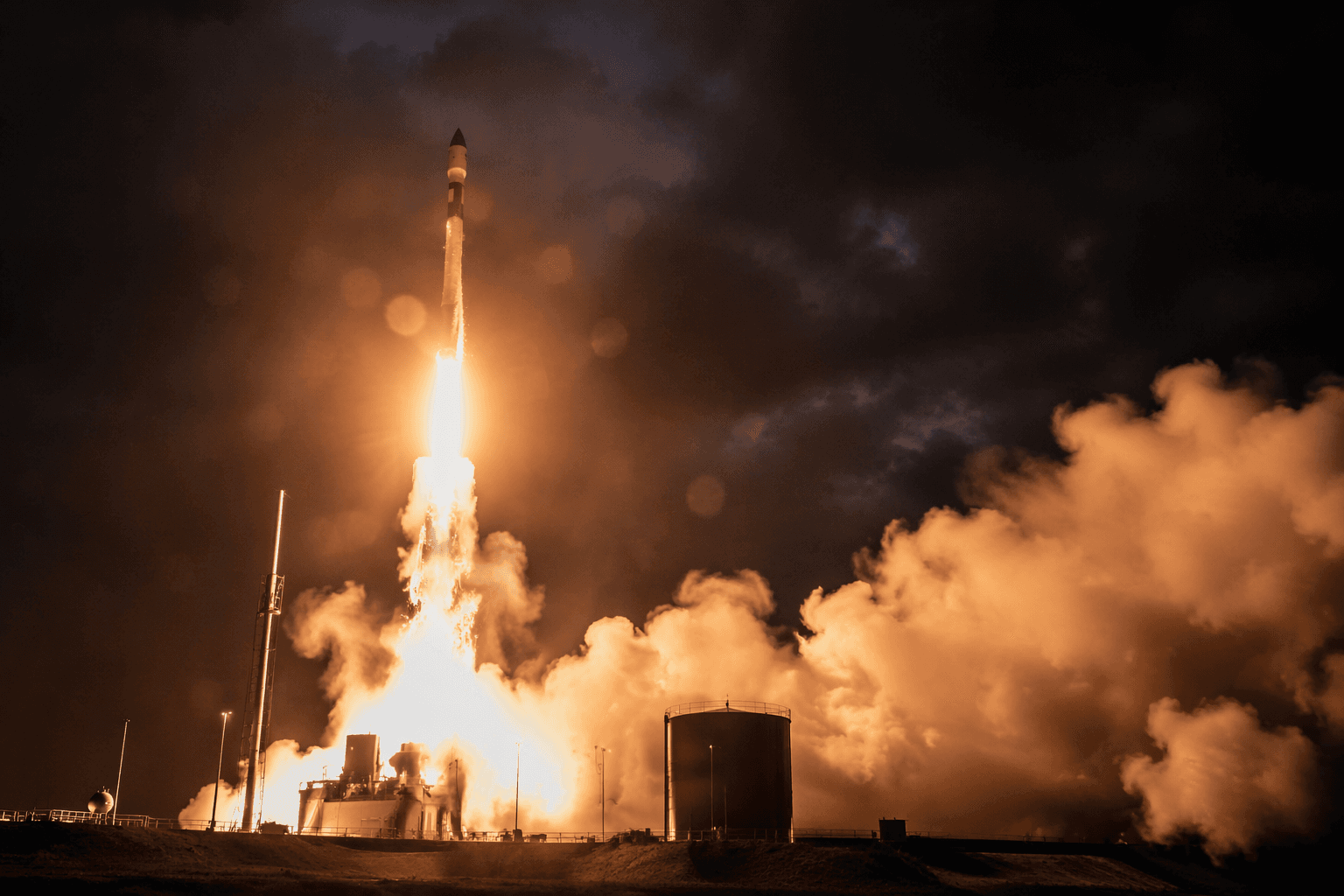
Rocket Lab launched the Space Force’s Victus Haze mission from Launch Complex 1 in Mahia, New Zealand, at 3:19 a.m. PT on June 19 after getting only 24 hours’ notice to prepare for a previously unknown orbit. The company later said the actual call-up-to-launch time was 16 hours and 42 minutes, a new responsive-space record for a mission designed to show how quickly the military can move from notice to orbit.
Victus Haze sits inside the Space Force’s Tactically Responsive Space effort, a program built to prove that the United States can rapidly acquire, launch and operate space systems when an urgent on-orbit threat appears. Space Systems Command described the mission as a multi-launch, multi-vehicle exercise that would move from launch into realistic rendezvous and proximity operations, space domain awareness and characterization scenarios. In practice, that meant one spacecraft had to find, approach and inspect another in orbit while both were moving at about 17,500 miles per hour.
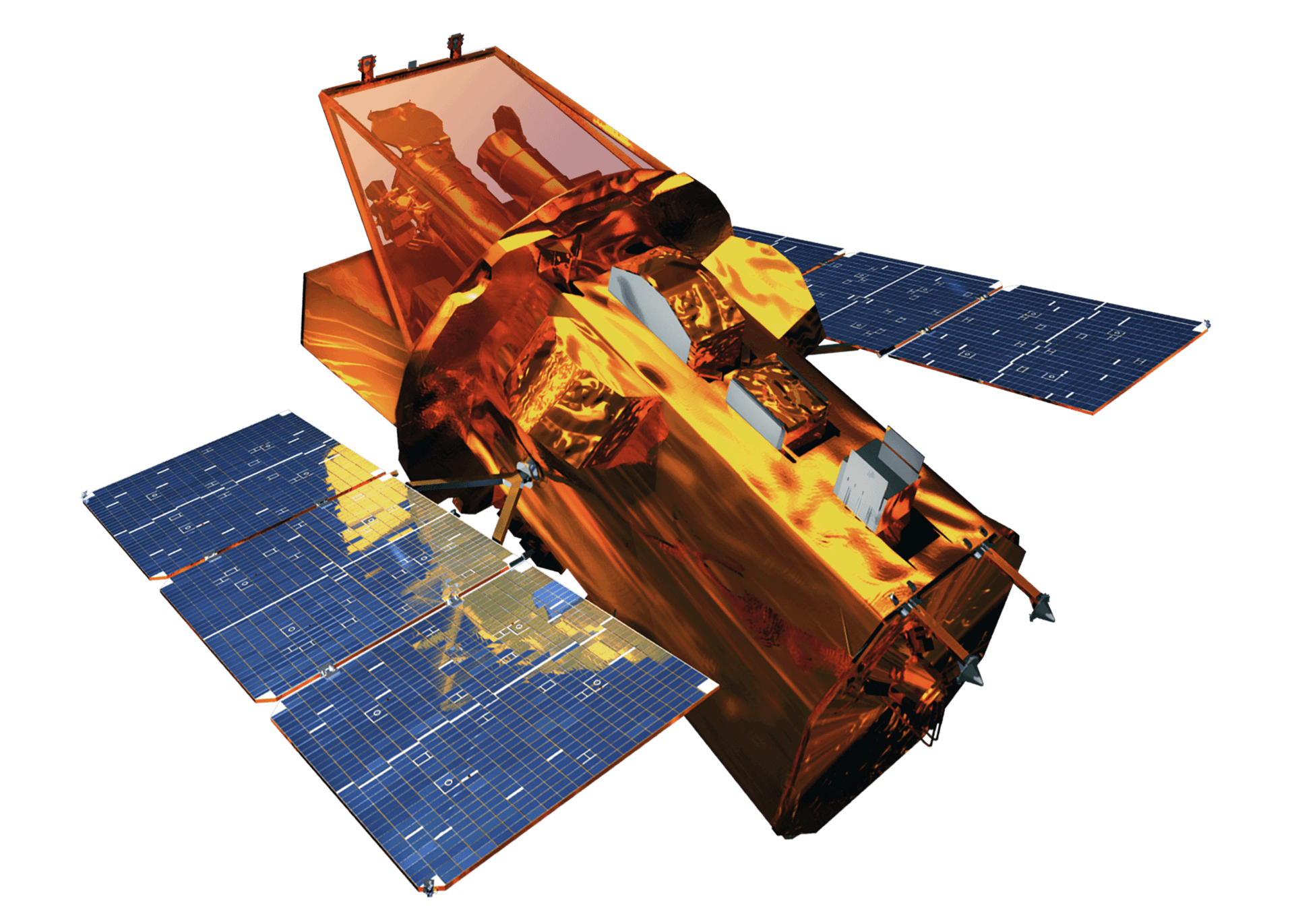
True Anomaly’s Jackal spacecraft did exactly that. Using onboard sensors, Jackal located and identified Rocket Lab’s Puma spacecraft from roughly 2,000 kilometers away before moving close enough to image it, with the exact separation kept classified. The mission was built to test more than launch speed. It asked whether a commercial team could launch quickly, maneuver autonomously and inspect a target in a contested environment where timing and sensing matter as much as propulsion.
The contract structure reflects how far military space procurement has shifted toward private capital. Victus Haze was awarded in April 2024, with the Space Force funding $30 million of a $60 million effort for True Anomaly and the company matching that with $30 million in private capital. Rocket Lab’s related contract was reported at $32 million. The mission also drew support from the Defense Innovation Unit and the Space Safari Program Office, underscoring how the Pentagon is leaning on a broader industrial base rather than only on legacy launch providers.
Victus Haze was framed as the next step after Victus Nox, the earlier TacRS demonstration that launched in September 2023 when Firefly Aerospace got a Millennium Space Systems spacecraft into orbit within 27 hours of the go order. Space Force and Pentagon commercial space strategies released in 2024 pushed the department toward deeper integration of commercial capabilities into national security space architecture, and Victus Haze turned that policy into a live test of procurement speed, orbital maneuver and inspection.
True Anomaly chief executive Even Rogers said the mission is meant to build data, operational experience and institutional knowledge that make TacRS repeatable. The company also said Jackal was purpose-built for reconnaissance through rendezvous and proximity operations in congested and contested environments, a sign that the next phase of space competition may be decided by who can see, shadow and characterize objects in orbit first.
This article was produced by Prism’s automated news system from verified source data, official records, and press releases, then run through automated quality and moderation checks before publishing. The system is built and supervised by the people who set the standards it runs under. Read our full AI policy.
Did this article answer your question?