Lavrov Audio Alleging Hungary Sanctions Deal Overshadows EU Kyiv Visit
Audio allegedly capturing Lavrov pressing Hungary to delist a sanctioned Russian oligarch's sister shadowed EU ministers' Bucha anniversary visit to Kyiv.
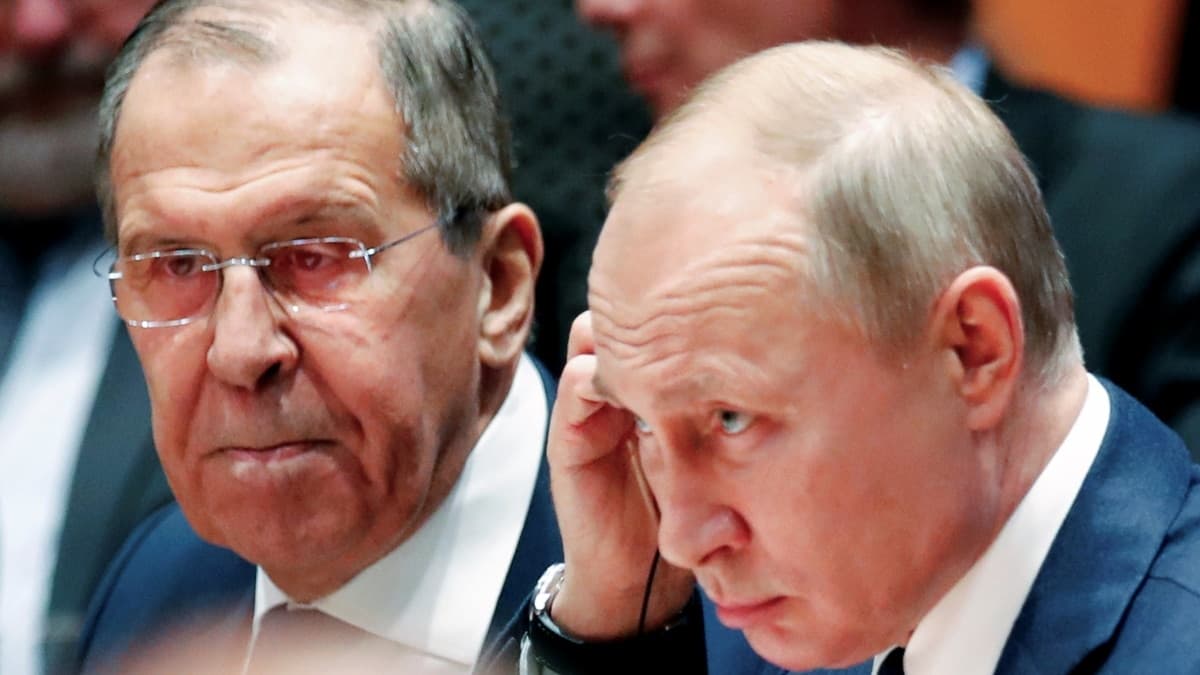
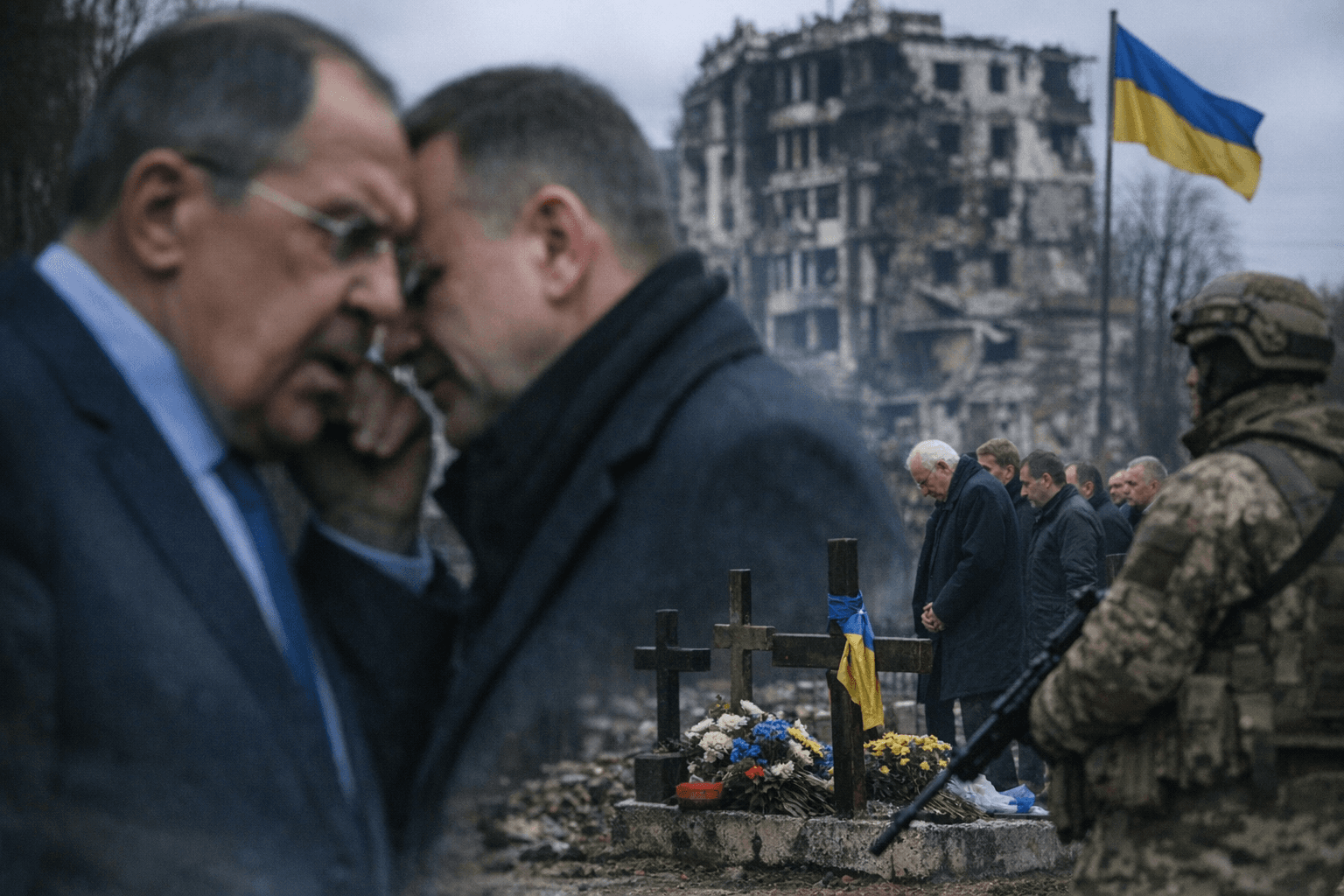
A delegation of EU foreign ministers arrived in Kyiv to mark the fourth anniversary of the Bucha massacre, staging a carefully choreographed show of bloc solidarity precisely as investigative outlets published audio that, if authentic, suggests Russia's foreign minister privately lobbied Hungary to strip a sanctioned oligarch's relative from EU penalty lists.
The recording, released by The Insider and VSquare, purportedly captures Sergei Lavrov reminding Hungarian Foreign Minister Peter Szijjarto of an earlier promise to help secure the removal of Gulbakhor Ismailova from EU sanctions. Ismailova is the sister of Russian billionaire Alisher Usmanov, one of the most prominent figures on Brussels' Russia-related blacklists. Ismailova's name was subsequently removed from the list, according to the reporting, raising direct questions about whether that outcome resulted from back-channel pressure rather than any formal review process.
Szijjarto defended Hungary's broader posture, reiterating Budapest's longstanding argument that EU sanctions are counterproductive and ultimately harm European economic interests more than Russia. That position, maintained consistently across multiple sanctions renewal cycles, places Hungary in a structurally pivotal role: because renewing and expanding EU sanctions packages requires unanimous consent among member states, a single holdout can stall renewals, demand carve-outs, or condition approval on unrelated concessions. Hungary has a documented history of using that leverage.
The Kyiv visit, timed to the anniversary of the 2022 Bucha killings that galvanized international support for Ukraine after Russian forces withdrew from the surrounding area, was designed to project precisely the unified front that the audio recording undermines. For Ukraine, whose military and financial lifeline depends substantially on coordinated EU support, visible bloc cohesion carries direct strategic weight. Sustaining that commitment requires political solidarity that the EU's unanimous-consent architecture makes structurally fragile.
Brussels retains real but limited tools to press Budapest into compliance. The European Commission can initiate rule-of-law proceedings and withhold cohesion funds, mechanisms it has deployed against Hungary before. But those instruments move slowly, and sanctions decisions run on renewal schedules that demand consensus now, not after years of legal proceedings. The Ismailova case, if the recording is verified, would represent something more specific and more damaging than a member state simply withholding consent as a negotiating tactic: it would constitute evidence of active coordination with a sanctioned government to benefit a named individual on the EU's own list.
The collision of the Bucha commemoration and the Lavrov recording on the same day was not incidental. One represented the EU's public commitment to accountability for Russian war crimes; the other, if it stands up, represents the private cost of unanimity-based decision-making when a member state calculates its interests in direct opposition to the bloc's stated policy. For the foreign ministers posing in Kyiv, the more urgent work may now be happening in Brussels.
This article was produced by Prism’s automated news system from verified source data, official records, and press releases, then run through automated quality and moderation checks before publishing. The system is built and supervised by the people who set the standards it runs under. Read our full AI policy.
Did this article answer your question?


