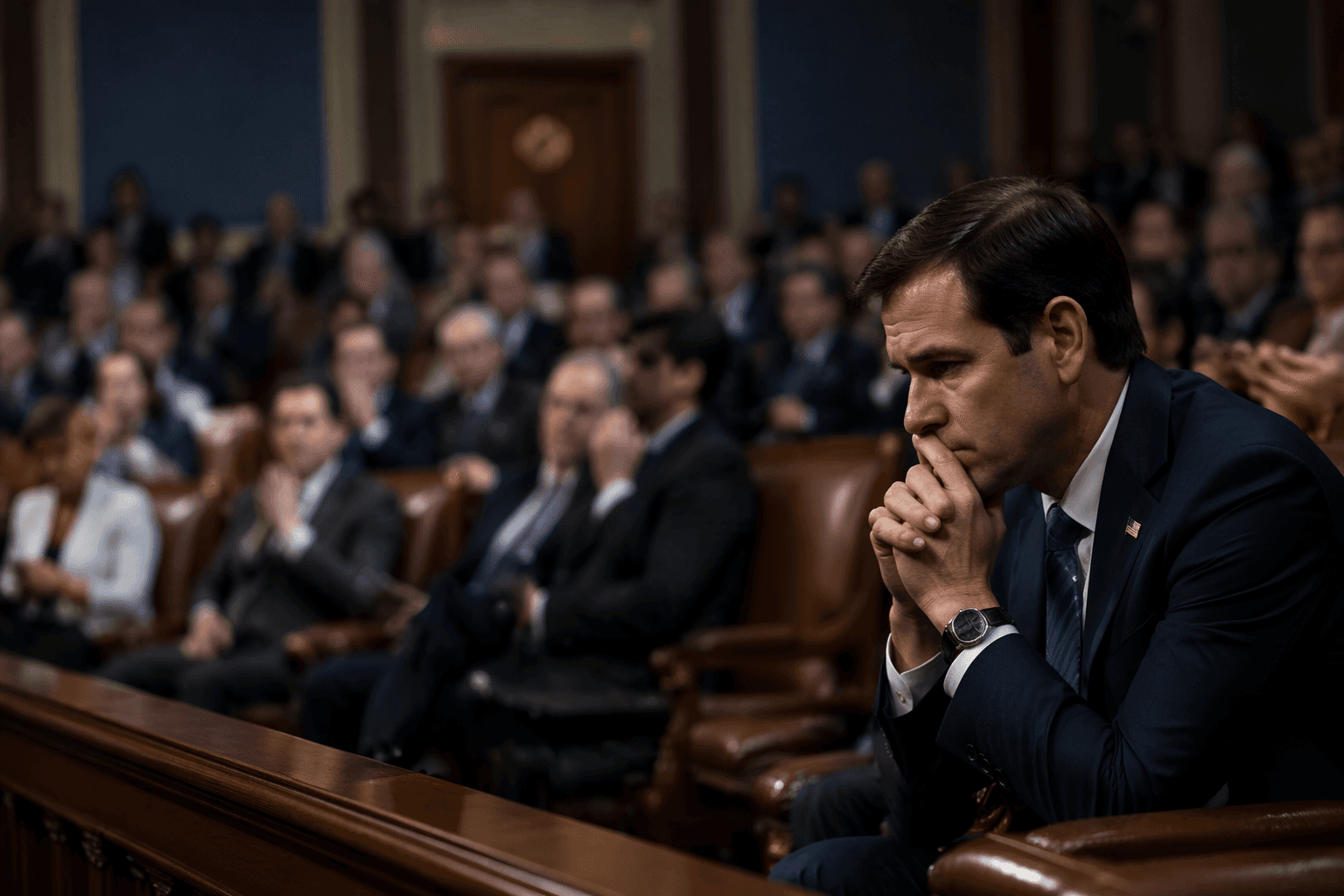
Lawfare Defense Fund raises $36 million for legal grants, ties to Trump network
A Florida nonprofit that says it aids people hurt by the legal system sent $700,000 to a Trump-linked election fund as questions mount over control.
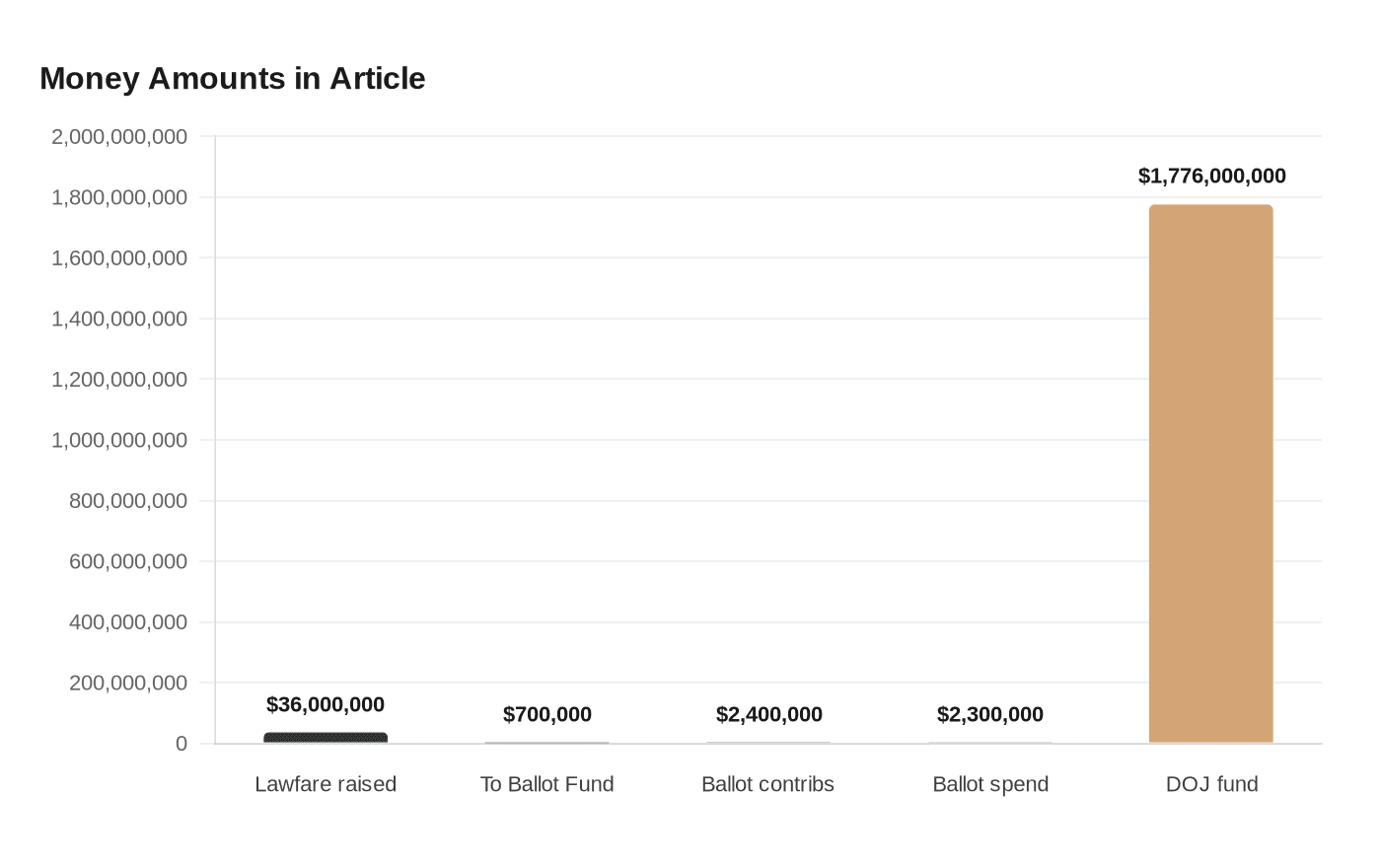
A Florida nonprofit that says it helps people who consider themselves unjust victims of the legal system has raised $36 million, while public filings show it also funneled $700,000 into a Trump-aligned political network. The money trail has sharpened questions about who controls the Lawfare Defense Fund, how its legal grants are chosen, and whether it is operating as a parallel support structure for Donald J. Trump allies.
Lawfare Defense Fund, Inc. was incorporated in Florida on April 25, 2024, with a Fort Lauderdale address. Its stated mission is to provide grants for litigation, a model that puts it at the center of the broader fight over how legal claims tied to Trump-era investigations and prosecutions are financed. Public disclosures list Kelly Loeffler as a board member of the organization. Loeffler also served as co-chair of the Trump-Vance Inaugural Committee, placing the fund squarely inside the orbit of Trump’s political network.
The organization’s contribution record extends beyond legal aid. ProPublica’s 527 Explorer shows Lawfare Defense Fund, Inc. made a $700,000 contribution to Ballot Freedom Fund on October 29, 2024. Ballot Freedom Fund’s filings say its purpose is to create “a fair and simple electoral system that fosters more choices and true freedom in America.” Its all-time contributions are listed at about $2.4 million, with all-time expenditures at about $2.3 million. Its top contributors include American Values 2024 PAC at $750,000, Lawfare Defense Fund at $700,000 and Make America Great Again Inc. at $500,000.
Those records deepen the governance questions around a fund that is nominally independent but clearly entangled with Trump-world money and personnel. ProPublica says Ballot Freedom Fund gets a majority of its contributions from out of state, a sign that its financing is not rooted in a single local constituency. The overlap between donor lists, board members and aligned political committees raises the issue of whether legal grants are being routed through a nonprofit apparatus that also reinforces the broader Trump ecosystem.
The backdrop is a separate federal effort that has drawn even fiercer scrutiny. The U.S. Department of Justice announced an Anti-Weaponization Fund on May 18, 2026, as part of the settlement in Donald J. Trump v. Internal Revenue Service. The DOJ said the fund will receive $1.776 billion from the judgment fund, can issue formal apologies and monetary relief, and will stop processing claims no later than December 1, 2028. The department says any leftover money will revert to the federal government, and it cites the Keepseagle settlement fund as precedent.
A federal judge temporarily blocked further action on May 29, 2026, and set a hearing for June 12 in Alexandria, Virginia. Critics have called the federal fund a slush fund for Trump allies, including Jan. 6 participants. The larger fight now is not just over compensation, but over who gets to define grievance, who gets paid, and which institutions are being built to serve that cause.
This article was produced by Prism’s automated news system from verified source data, official records, and press releases, then run through automated quality and moderation checks before publishing. The system is built and supervised by the people who set the standards it runs under. Read our full AI policy.
Know something we missed? Have a correction or additional information?
Submit a Tip