White House seeks AI model testing before public release
The White House is asking AI firms to submit top models for pre-release cyber testing, a voluntary step that could shape frontier AI without formal licensing.

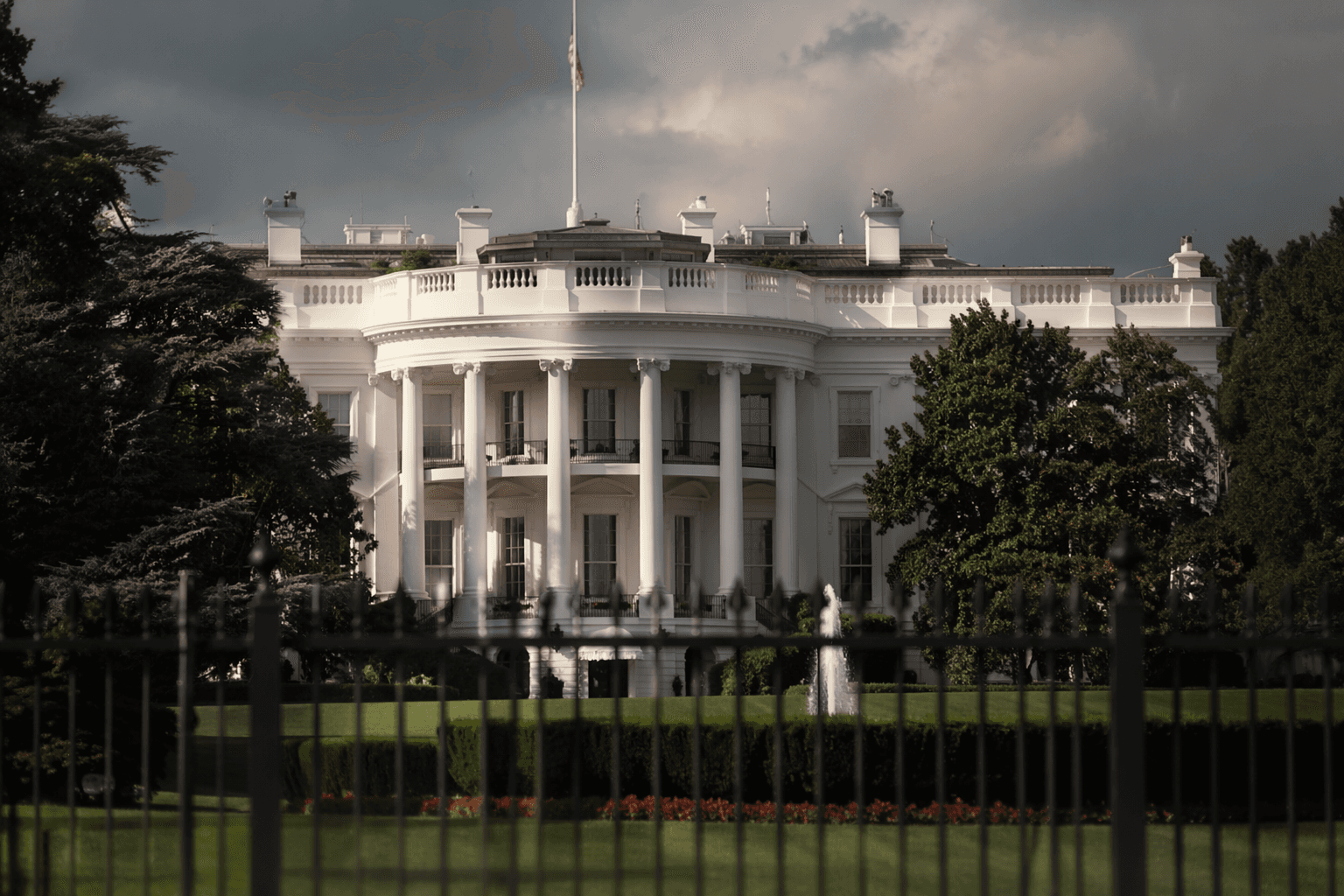
The Trump administration moved to turn frontier AI into a national-security review item, but it stopped short of formal regulation. In an executive order signed June 2, 2026, the White House asked leading developers to voluntarily submit their most capable models for government cybersecurity testing before public release, framing the effort as a way to promote innovation while reducing security risks.
The order, titled Promoting Advanced Artificial Intelligence Innovation and Security, gives U.S. agencies up to 30 days to examine submitted models before they leave government review. It brings together the Treasury Department, Defense Department, Commerce Department and Department of Homeland Security to coordinate testing and assess advanced cyber capabilities, while steering clear of a mandatory pre-launch licensing system.
That design matters. The administration is trying to gain visibility into the most powerful systems without imposing a blunt approval regime that could slow releases across the industry. The policy leans on voluntary cooperation, which gives Washington influence over model safety practices but leaves enforcement largely outside the framework. Treasury Secretary Scott Bessent is directed to create an AI cybersecurity clearinghouse, working with industry and operators of critical infrastructure to scan for vulnerabilities, validate them and prioritize fixes. DHS, through the Cybersecurity and Infrastructure Security Agency, must issue guidance within 30 days to help protect civilian federal information systems.
The urgency comes from how quickly the threat discussion has changed around cyber-capable models. Anthropic has said its Mythos system can autonomously identify previously unknown vulnerabilities, generate working exploits and carry out complex cyber operations with minimal human input. The company expanded access to Project Glasswing on June 2 to 150 additional organizations in more than 15 countries, after opening the program first to about 50 partners in April. Anthropic said the testing program had already surfaced more than 10,000 high- or critical-level security flaws, with partners including Apple, Nvidia, Microsoft, CrowdStrike and Palo Alto Networks.
The White House order also reflects a wider push to pull major AI developers closer to federal security planning. Google, Anthropic and OpenAI had met with U.S. officials about cybersecurity as the order was being developed. Separately, regulators paused some cyber-related examinations of major banks after concerns raised by Mythos, underscoring that frontier AI is already influencing oversight beyond the tech sector.
For companies, the new framework could mean more scrutiny and slower rollouts for the most advanced tools, especially if voluntary testing becomes an expected step before broad release. For Washington, it is a test of whether pre-release cybersecurity review can reduce public risk in a meaningful way, or whether the government is mostly building soft leverage over the most powerful models without creating rules that can be enforced.
This article was produced by Prism’s automated news system from verified source data, official records, and press releases, then run through automated quality and moderation checks before publishing. The system is built and supervised by the people who set the standards it runs under. Read our full AI policy.
Know something we missed? Have a correction or additional information?
Submit a Tip