House passes war powers measure to rein in Trump on Iran
The House voted 215-208 to curb Trump’s Iran campaign, with four Republicans crossing over as the White House kept talking up negotiations.

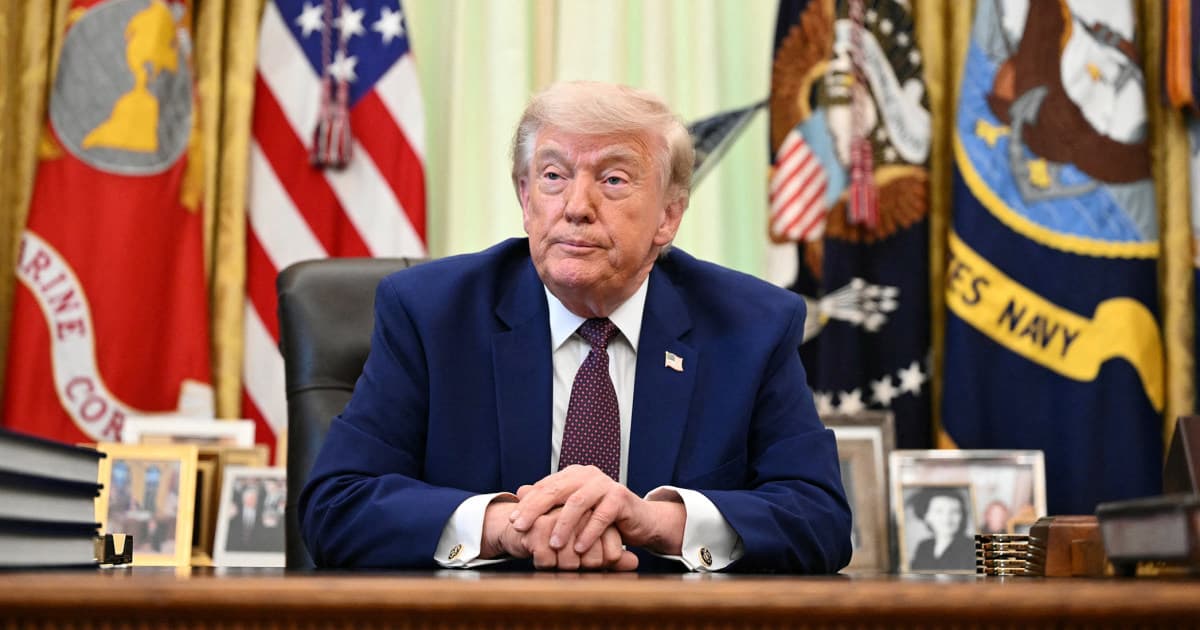
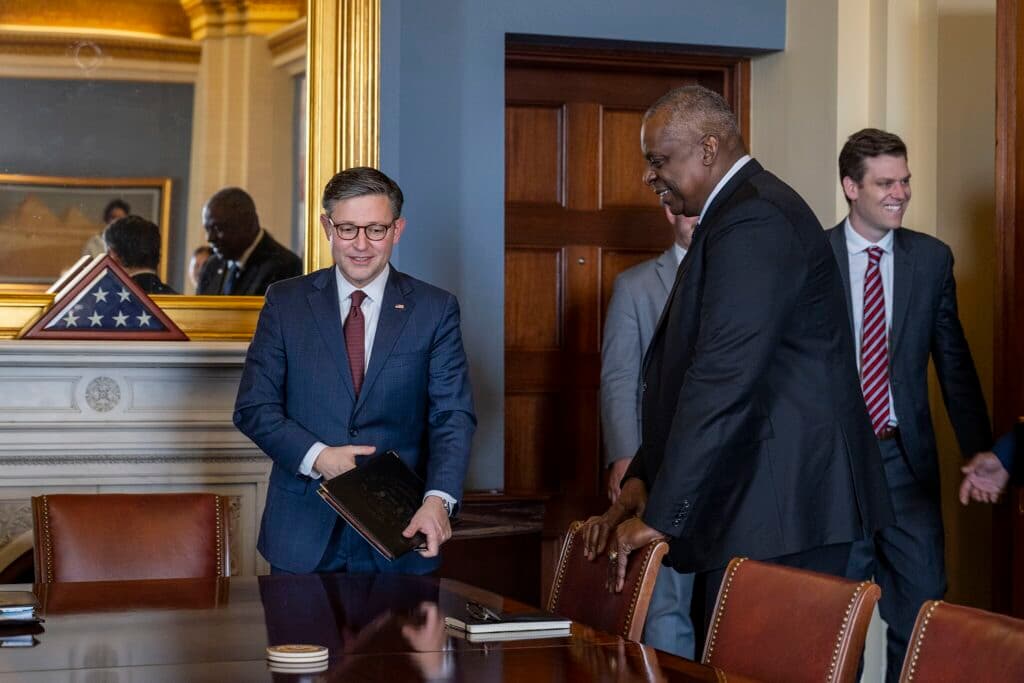
The House approved a war powers resolution aimed at forcing Donald Trump to stop U.S. military action against Iran unless Congress gives explicit authorization, marking the first time the chamber has backed such a move on the conflict. The 215-208 vote on June 3 split sharply along party lines, though four Republicans joined Democrats and six Republicans were absent; the measure still would have passed even with every member present.
The vote landed in the middle of a war that has now lasted about three months, after U.S. and Israeli strikes on Iran began on February 28, 2026. House Democrats have cast the conflict as an unauthorized and costly war, and House Democratic Leader Hakeem Jeffries said earlier in the week that it had already cost American taxpayers more than $100 billion. The resolution now goes to the Republican-controlled Senate.
Congressional resistance has been building there as well. On May 19, the Senate advanced a similar war powers resolution on a 50-47 procedural vote, with four Republicans, Susan Collins, Lisa Murkowski, Rand Paul and Bill Cassidy, joining most Democrats to move the measure forward. The House tally now gives lawmakers their clearest bipartisan rebuke yet of Trump’s handling of the Iran war.
The fight has sharpened the constitutional clash between the White House and Congress. Trump has argued that he has authority as commander in chief to continue military action, while lawmakers pushing the resolution say Congress must approve any sustained hostilities. House Republican leaders had tried to delay an earlier attempt to bring the measure up, but they ran out of time to postpone the vote any longer.
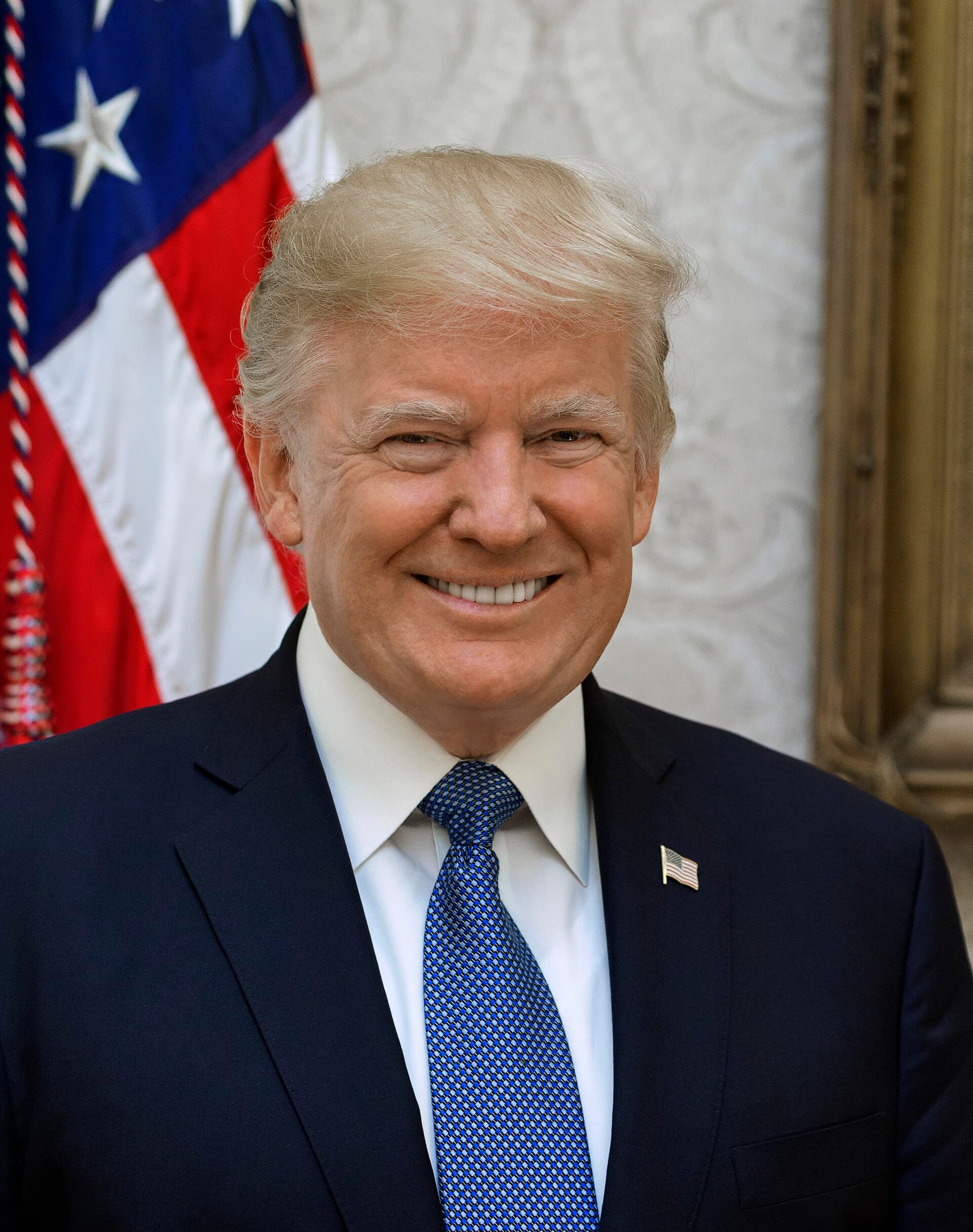
At the same time, Trump kept signaling that diplomacy had not ended. On June 1, he said talks with Iran were continuing “at a rapid pace,” even as reports surfaced that Tehran had suspended indirect negotiations after new Israeli military moves in Lebanon. Later the same day, Trump also said he “couldn’t care less” if the talks collapsed before again saying negotiations were still moving quickly.
Iranian state media Tasnim reported that Tehran was halting indirect negotiations, while a regional official later told the Associated Press that Iran had not communicated with mediators after insisting that a ceasefire in Lebanon be enforced before talks resumed. That contradiction, military pressure on one side and public claims of diplomacy on the other, leaves escalation risk high and the path to any off-ramp uncertain.
This article was produced by Prism’s automated news system from verified source data, official records, and press releases, then run through automated quality and moderation checks before publishing. The system is built and supervised by the people who set the standards it runs under. Read our full AI policy.
Know something we missed? Have a correction or additional information?
Submit a Tip