House passes Iran war powers curb with four Republicans joining Democrats
Four Republicans joined Democrats to curb Iran strikes, a rare House challenge to Trump’s war powers that exposed Congress’s long erosion of authority.

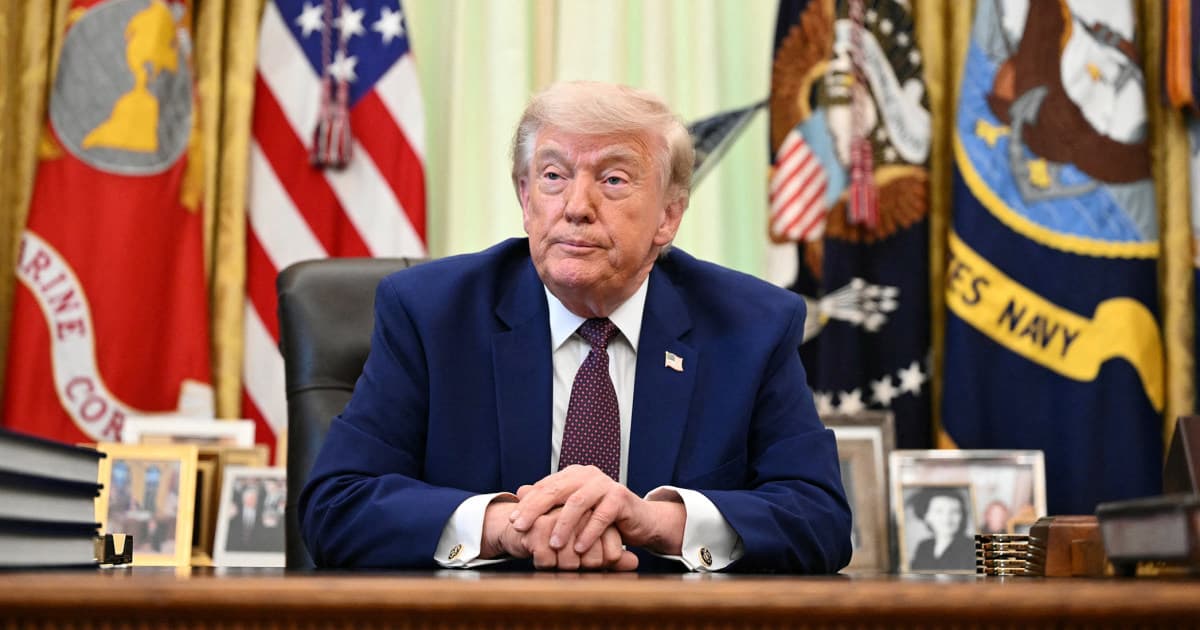
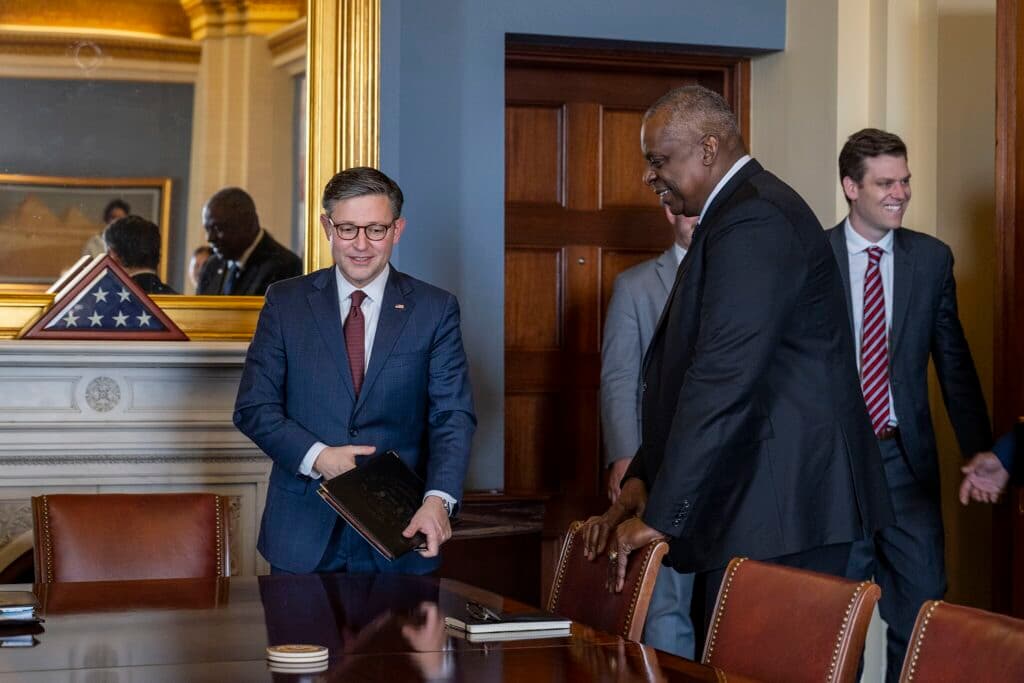
The House took a rare step toward reclaiming its constitutional authority over war on Wednesday, approving a resolution aimed at limiting President Donald Trump’s military action against Iran by 215-208. Four Republicans, Thomas Massie of Kentucky, Warren Davidson of Ohio, Brian Fitzpatrick of Pennsylvania and Tom Barrett of Michigan, joined Democrats in backing the measure, giving Congress its first House approval of a resolution to halt U.S. military action against Iran.
The vote landed as a direct challenge to the long-running expansion of presidential war-making power. Supporters cast the resolution as an effort to force Congress to reassert its Article I authority after Trump widened U.S. military action against Iran without explicit congressional authorization. The coalition behind it cut across ideological lines inside the Republican conference, bringing together lawmakers from different corners of the party around a shared objection to unilateral executive action.
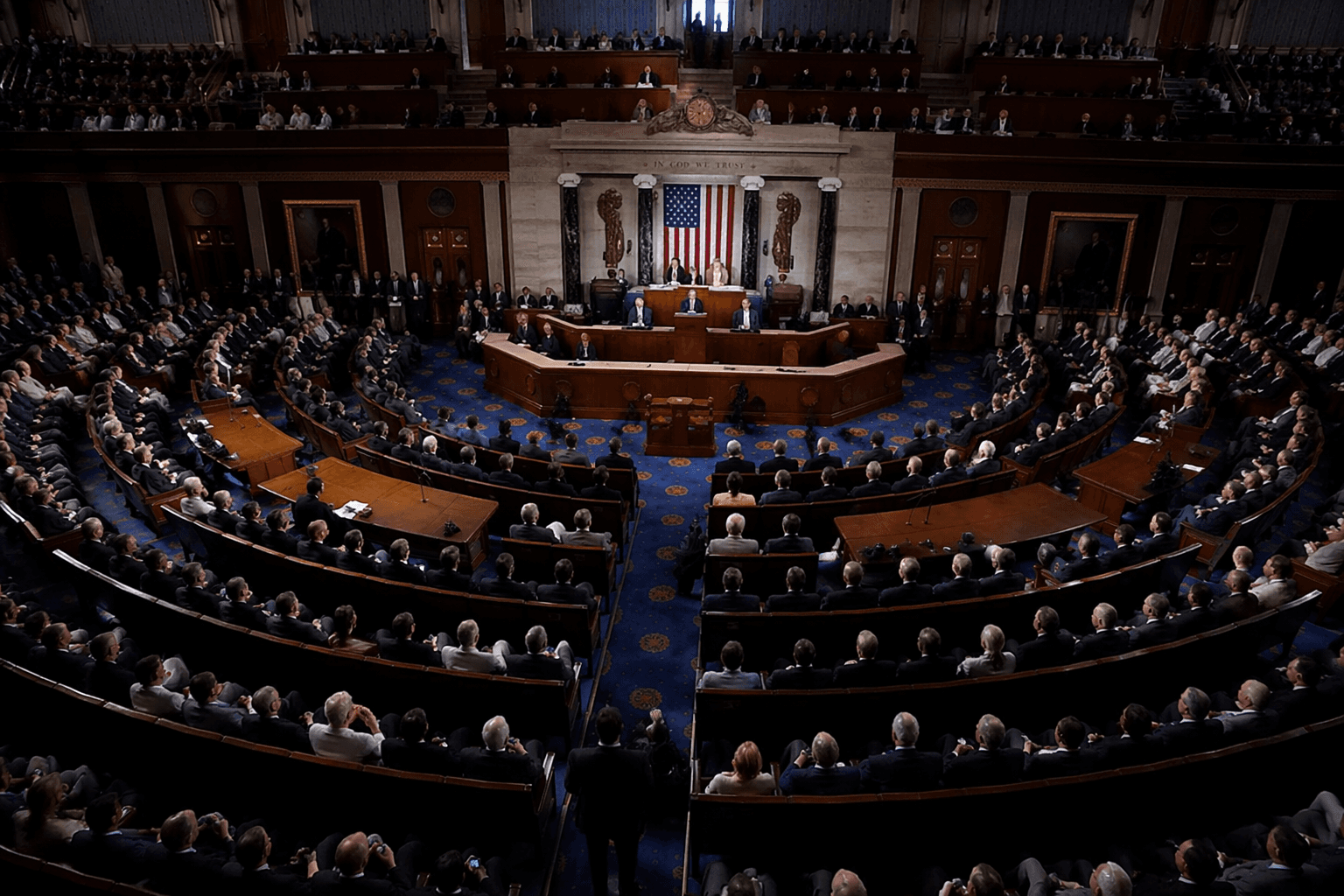
House Republicans had tried to slow the measure in late May after it appeared ready to pass, but the delay only sharpened the confrontation over whether the White House or Congress should decide when hostilities continue. A White House official said the resolution would not reach Trump’s desk, underscoring that the House vote was not the end of the fight. Massie framed the outcome as a message from the chamber to end the war, reflecting the pressure among some lawmakers to draw a firmer constitutional line.
The result also marked a shift from earlier failed attempts to rein in the conflict. On March 5, the House defeated a similar war powers effort 212-219, and an April vote came even closer. Those margins showed a growing number of lawmakers uneasy about open-ended military action against Iran and a steadily intensifying clash over the limits of presidential power.
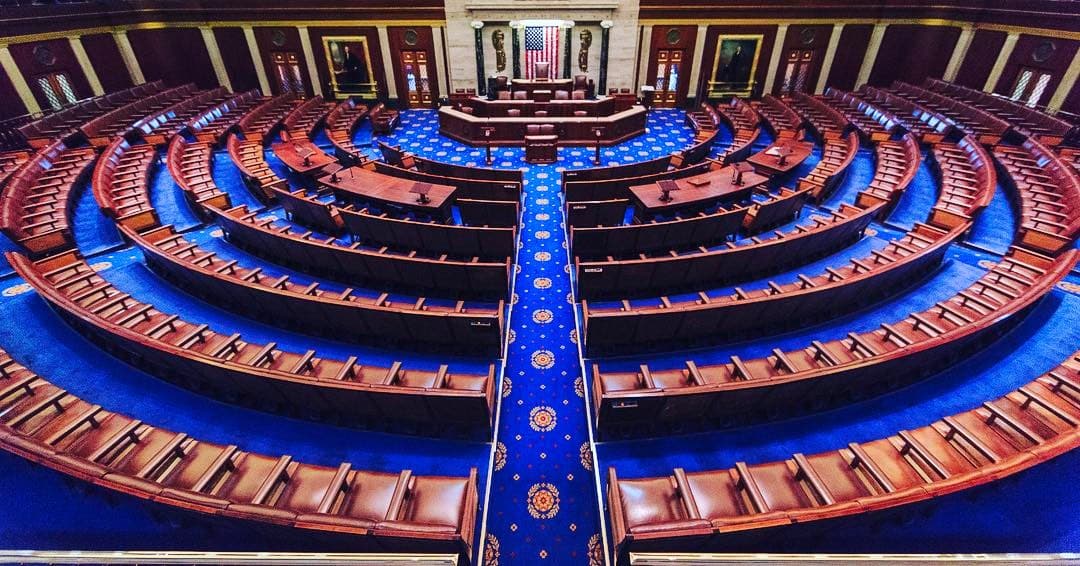
For Congress, the vote was about more than Iran. It was a test of whether lawmakers can still force themselves back into decisions that have drifted toward the executive branch for years. Whether this turns into a broader reassertion of legislative authority or remains a one-time protest, the narrow roll call showed that the argument over who gets to wage war is far from settled.
This article was produced by Prism’s automated news system from verified source data, official records, and press releases, then run through automated quality and moderation checks before publishing. The system is built and supervised by the people who set the standards it runs under. Read our full AI policy.
Know something we missed? Have a correction or additional information?
Submit a Tip