Lawmakers advance HB 4108 allowing Eugene noncontiguous annexation pilot to spur infill
House Bill 4108 would let Eugene accept owner-requested annexations of noncontiguous residential parcels inside its Urban Growth Boundary, a pilot advanced by lawmakers March 2, 2026.
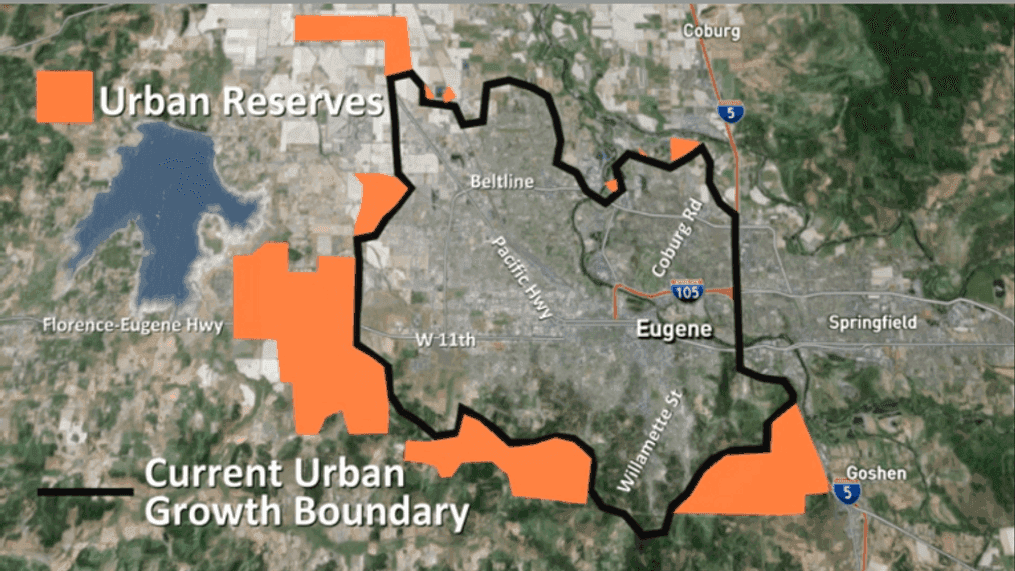
House Bill 4108 would allow the City of Eugene to annex noncontiguous residential and mixed-use parcels inside its acknowledged Urban Growth Boundary, a change the Oregon Legislature moved forward March 2, 2026 that backers say could unlock infill in River Road and Santa Clara and give landowners quicker access to city zoning and services. If enacted, the pilot would let owners petition to join the city and potentially build denser housing without moving the UGB line.
The bill removes the statutory adjacency requirement for annexation only for Eugene as a state pilot. OLIS summarizes the measure: “Allows the City of Eugene to annex noncontiguous land upon receipt of a petition from all owners of the land that satisfies four eligibility criteria.” Under the House language reported, eligible parcels must be within Eugene’s UGB, be zoned residential or mixed-use, and be connectable to public water, wastewater, stormwater and road systems; industrially zoned parcels are excluded.
Legislative progress to date has been rapid: House and Senate housing committees and the House floor advanced the measure overwhelmingly, and the House passed the bill. The measure was amended in a Senate committee, and because of that amendment the bill will require another House vote before it could go to the governor. At the time of reporting no Senate floor vote had been scheduled.
Sponsor Rep. Lisa Fragala, D‑Eugene, framed the proposal as a response to Eugene’s documented housing shortfall. Fragala cited the Oregon Housing Needs Analysis and the figure that “Eugene must build 25,944 homes over the next 20 years to meet current and projected need.” Fragala told lawmakers that “Eugene, along with several other communities in our state have neighborhoods with a patchwork of city and county lands within the UGB,” and added, “We’re getting boxed in, and I really believe that we need to find opportunities to do infill in our community.” Fragala said she hopes the pilot will “demonstrate that allowing noncontiguous voluntary annexation can be a valuable tool cities can use to encourage infill.”
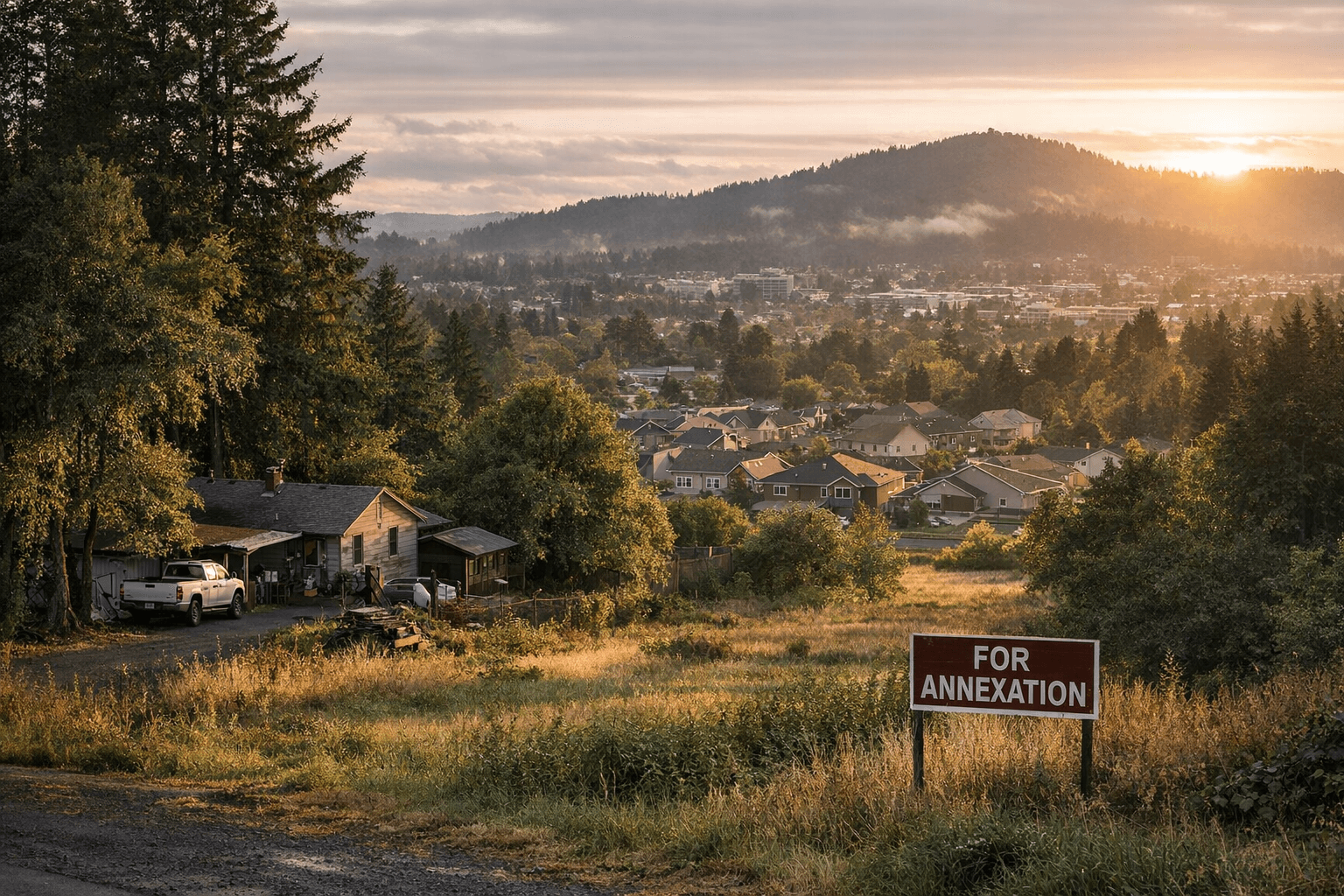
Local development groups and housing advocates helped craft the one-page bill. The measure was developed by the Eugene Chamber of Commerce and housing nonprofit Better Housing Together, and supporters at committee included representatives from the City of Eugene, Lane County and the Eugene Area Chamber of Commerce. Tiffany Edwards, vice president of policy and community development at the Eugene Chamber, said “Sixty percent of those parcels have capacity for additional housing but happen to be not part of the city,” and asked, “So how might we, without having to move the line, incentivize additional density? That would happen slowly over time, but still, that’s where the opportunity lies.”
OPB reported the bill is deliberately streamlined: it is “a one-page bill,” and it “would allow the city to annex the land by ordinance or resolution without holding a public hearing beyond the meeting where the Eugene City Council votes on the matter.” OLIS metadata lists the fiscal impact as Minimal Fiscal Impact and revenue impact as No Revenue Impact.
Key technical details remain to be reviewed by local officials and residents: OLIS notes annexations require petitions from all owners that meet four eligibility criteria, but published summaries do not reproduce those criteria. The immediate procedural path is a Senate floor vote; if the Senate approves the amended language, the House must vote again before the governor could sign the bill into law.
Know something we missed? Have a correction or additional information?
Submit a Tip