Lawmakers Demand Answers After U.S. Strikes off Venezuela, Questions of Conduct Grow
Congressional leaders from both parties pressed for explanations on Monday after reporting raised doubts about whether a follow up U.S. strike off Venezuela targeted survivors of an initial attack. The disclosures have reignited concerns over rules of engagement, executive authority and the political fallout of American military actions in the Western Hemisphere.

Several Republican and Democratic lawmakers converged on Capitol Hill on Monday to demand a fuller accounting of U.S. military strikes carried out in September off Venezuela’s coast, following reports that a second operation may have been aimed at killing survivors of an earlier attack. The claims have prompted calls for oversight from members of the House and Senate, and raised fresh questions about the use of force near a volatile region.
A White House spokeswoman acknowledged that the strikes were authorized by Defense Secretary Pete Hegseth, and Hegseth has denied ordering a second attack. The Washington Post reported that Hegseth verbally instructed forces to “kill everyone” on board during one operation, a detail that intensified congressional concern and animated demands for briefings and testimony.
Senators Roger Wicker and Jack Reed said they would press for classified briefings and more information about the operations. Leaders of the House and Senate armed services committees and oversight panels signaled interest in hearing testimony, and some lawmakers indicated they would seek Hegseth’s appearance before year end. The inquiries cut across party lines, reflecting both legal anxieties and political friction over the administration’s approach to military action in the region.
The controversy underscores a broader unease in Washington about executive authority for kinetic operations close to Latin America. While some Republicans privately expressed reservations about the president’s use of force in the Western Hemisphere, most Senate Republicans have previously blocked measures that would restrict the administration’s military options. That contradiction has left Congress searching for a path to assert oversight without appearing to hamstring national security decision making.
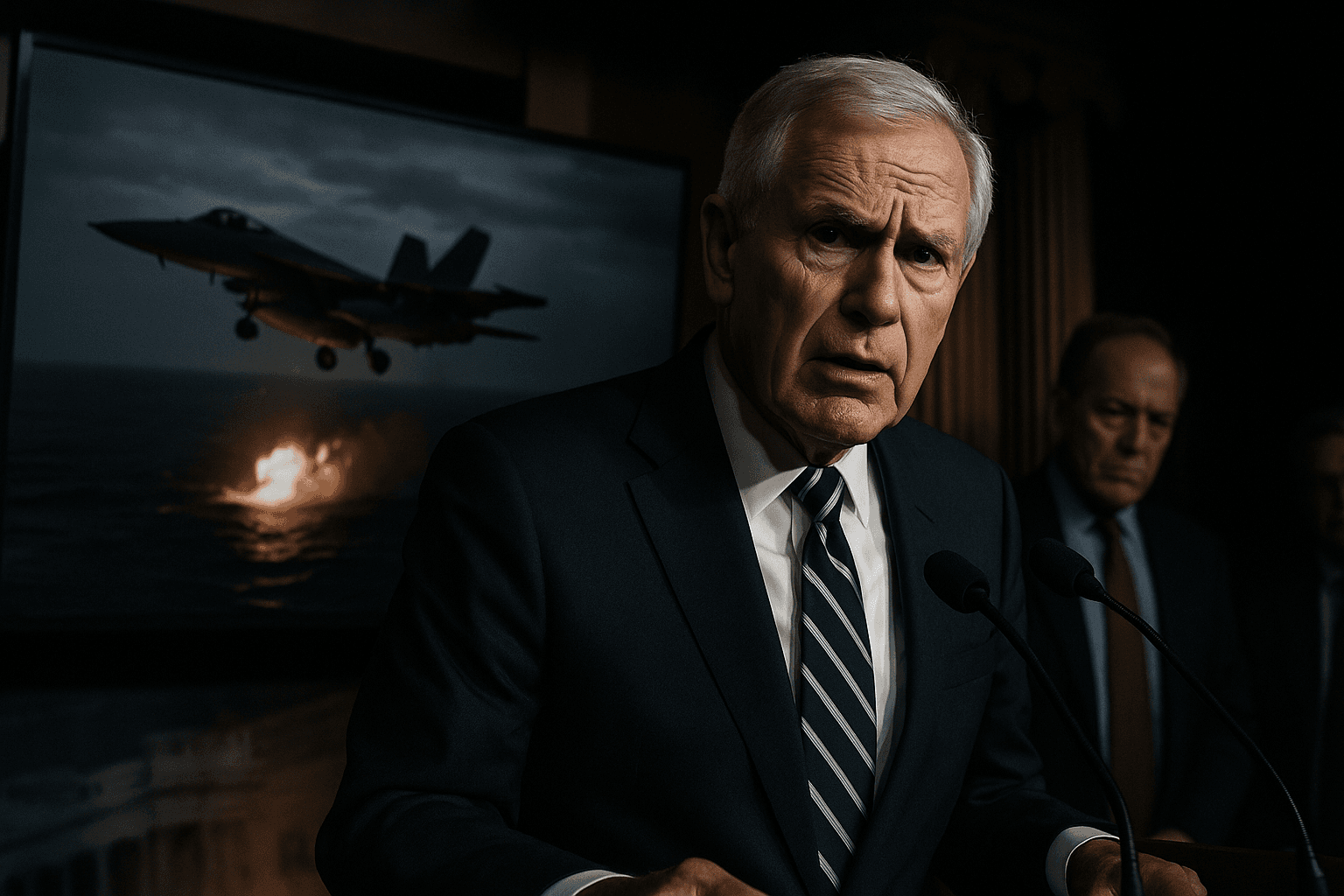
Legal experts and former officials said the central questions for investigators will include whether proper targeting procedures were followed and whether actions complied with international humanitarian law and domestic rules of engagement. Allegations that survivors of a strike were then targeted, if substantiated, would carry severe legal and diplomatic implications and could prompt investigations inside the Pentagon and by congressional committees.
The incidents also risk further straining relations with regional governments sensitive to U.S. military activity in their neighborhood. Latin American capitals that have urged restraint could use the episode to press for new norms or international inquiries, complicating U.S. diplomatic objectives at a time when cooperation on migration, drug interdiction and other shared priorities remains fragile.
Congressional leaders face a narrow window to extract answers before the end of the year. How aggressively they press for testimony and what information the administration is willing to disclose will shape not only immediate political fallout, but also long term debate over oversight of American military action near the Americas. The coming days are likely to determine whether the controversy becomes an episodic clash over transparency or a sustained challenge to how the United States conducts operations in its hemisphere.
This article was produced by Prism’s automated news system from verified source data, official records, and press releases, then run through automated quality and moderation checks before publishing. The system is built and supervised by the people who set the standards it runs under. Read our full AI policy.
Did this article answer your question?

