Lawmakers Demand Congressional Review of Lethal Strikes on Smuggling Vessels
Bipartisan groups of senators and representatives are calling for congressional reviews after media reports alleged a Defense Secretary gave a verbal order to kill crew members during a September strike on a suspected drug smuggling boat. The inquiries could examine possible violations of U.S. and international law, and they raise wider questions about rules of engagement and security cooperation in the Caribbean and eastern Pacific.
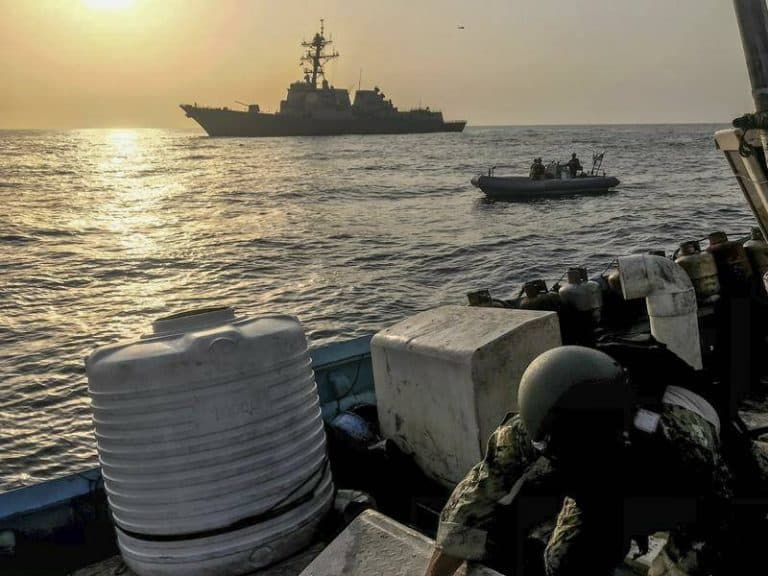
Lawmakers from both parties pressed for congressional scrutiny on Monday after reports emerged that United States military strikes against vessels accused of smuggling drugs in the Caribbean and the eastern Pacific may have involved unlawful orders. The Washington Post reported that one strike on Sept. 2 included an alleged verbal order by Defense Secretary Pete Hegseth to kill all crew of the target vessel, a claim that has prompted calls for oversight from Capitol Hill.
Members of Congress told the Associated Press in live updates that they support formal reviews into the incidents. Senators and representatives expressed concern about potential legal breaches and urged swift investigation to establish facts and accountability. Senator Tim Kaine warned that the alleged orders could amount to war crimes if proven, underscoring the severity of the charges for both civilian and military leaders.
Leaders of the House and Senate Armed Services committees have opened inquiries, signaling that Congress will press the Pentagon for documents, testimony, and internal after action assessments. Oversight officials said the questions will likely focus on the chain of command, the legal basis for using lethal force against smuggling vessels, the identification procedures for crew and noncombatants, and whether the strikes complied with the United States rules of engagement and international humanitarian law.
The incidents take place against a backdrop of long running efforts to disrupt transnational drug trafficking in maritime transit zones that are difficult to police. U.S. maritime operations in the Caribbean and the eastern Pacific have long relied on cooperative arrangements with regional partners to interdict shipments of cocaine and other illicit substances. But lethal strikes on small craft raise complex legal and operational questions about the distinction between law enforcement and armed conflict, the proportionality of force, and the treatment of persons at sea.
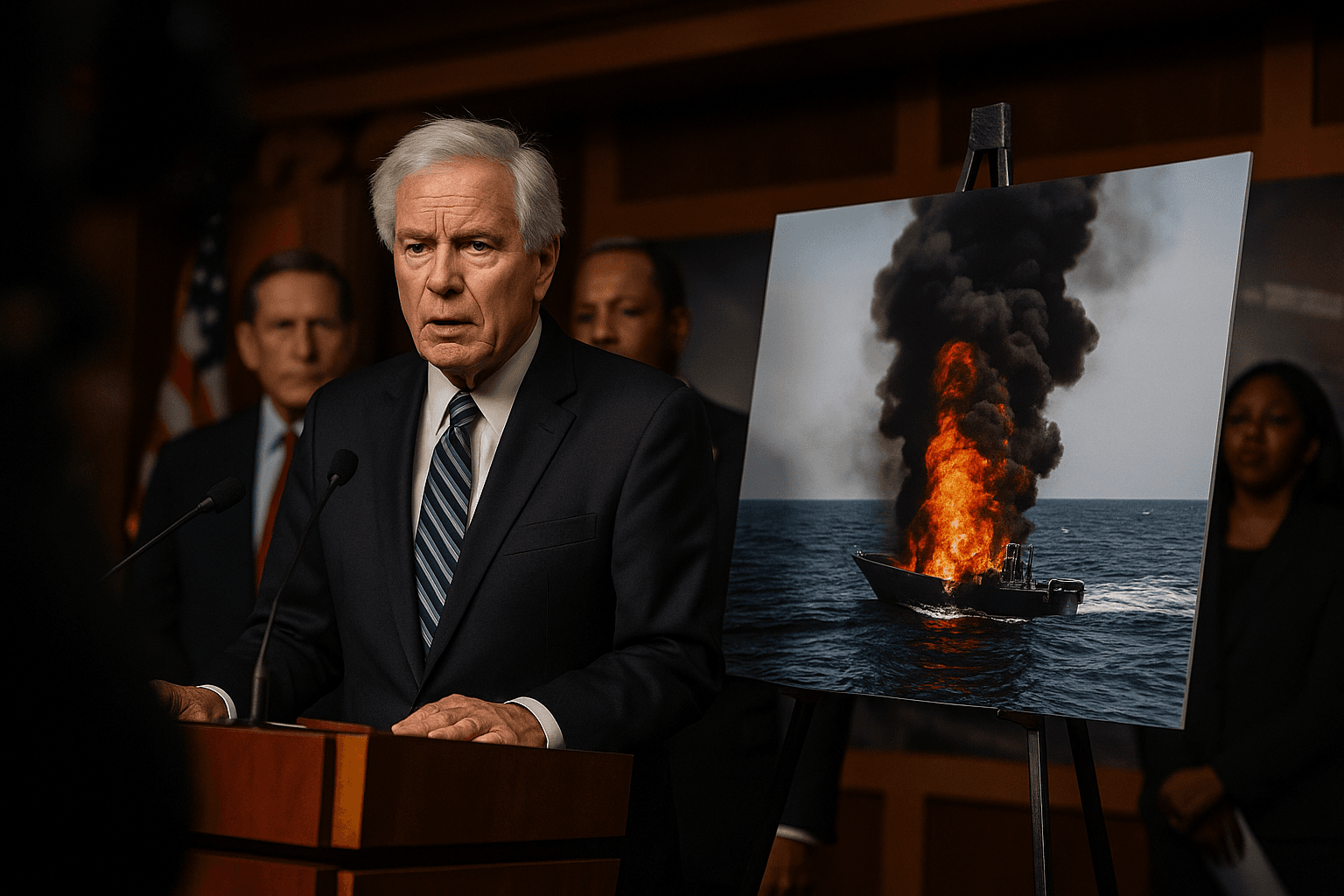
International law governing the use of force at sea includes norms on self defense, necessity and proportionality, and protections for noncombatants. Legal scholars and former officials say that allegations that orders were given to kill all crew would trigger intense legal scrutiny if substantiated, and could prompt inquiries not only from Congress but from military inspectors general or Justice Department offices responsible for enforcing criminal statutes and ensuring compliance with treaties.
Beyond legal consequences, the controversy poses diplomatic risks. Regional governments that cooperate with the United States on counter narcotics operations may seek assurances about transparency and adherence to human rights standards. Civil society groups and international organizations will likely press for full accountability and for measures to prevent recurrence.
For now, the Pentagon has not publicly confirmed the specific operational details described in media reports, and lawmakers say they expect the armed services committees to demand briefings and relevant records as their inquiries proceed. The coming weeks could determine whether Congress will hold public hearings, subpoena witnesses, and press for criminal or administrative investigations into decisions made during a fraught and dangerous campaign against maritime drug smuggling.
This article was produced by Prism’s automated news system from verified source data, official records, and press releases, then run through automated quality and moderation checks before publishing. The system is built and supervised by the people who set the standards it runs under. Read our full AI policy.
Did this article answer your question?

