Lawmakers propose federal AI rules to limit state model regulation
Congress is moving to freeze state AI model rules for three years, setting up a fight over whether one national standard will protect users or shield the biggest developers.

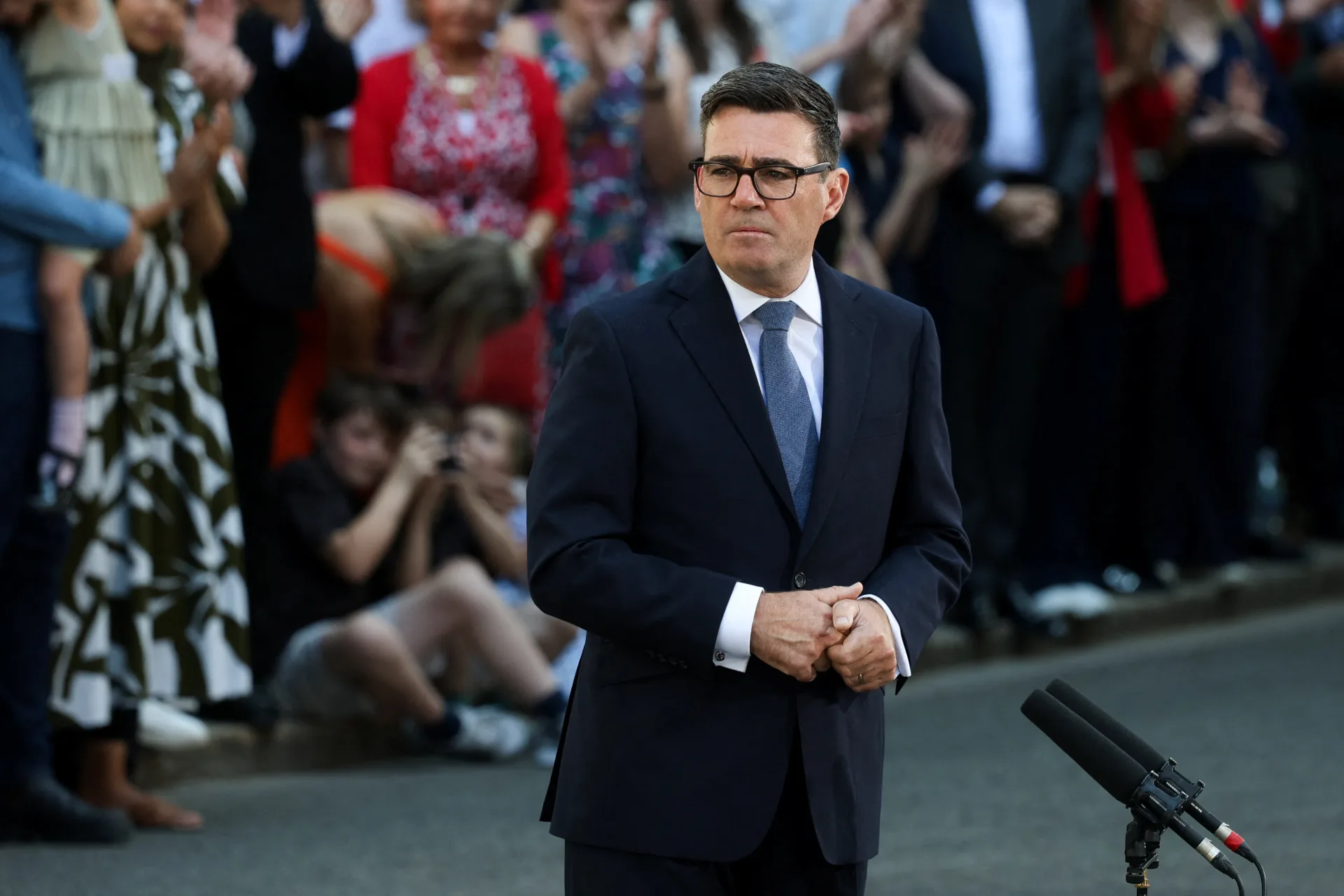
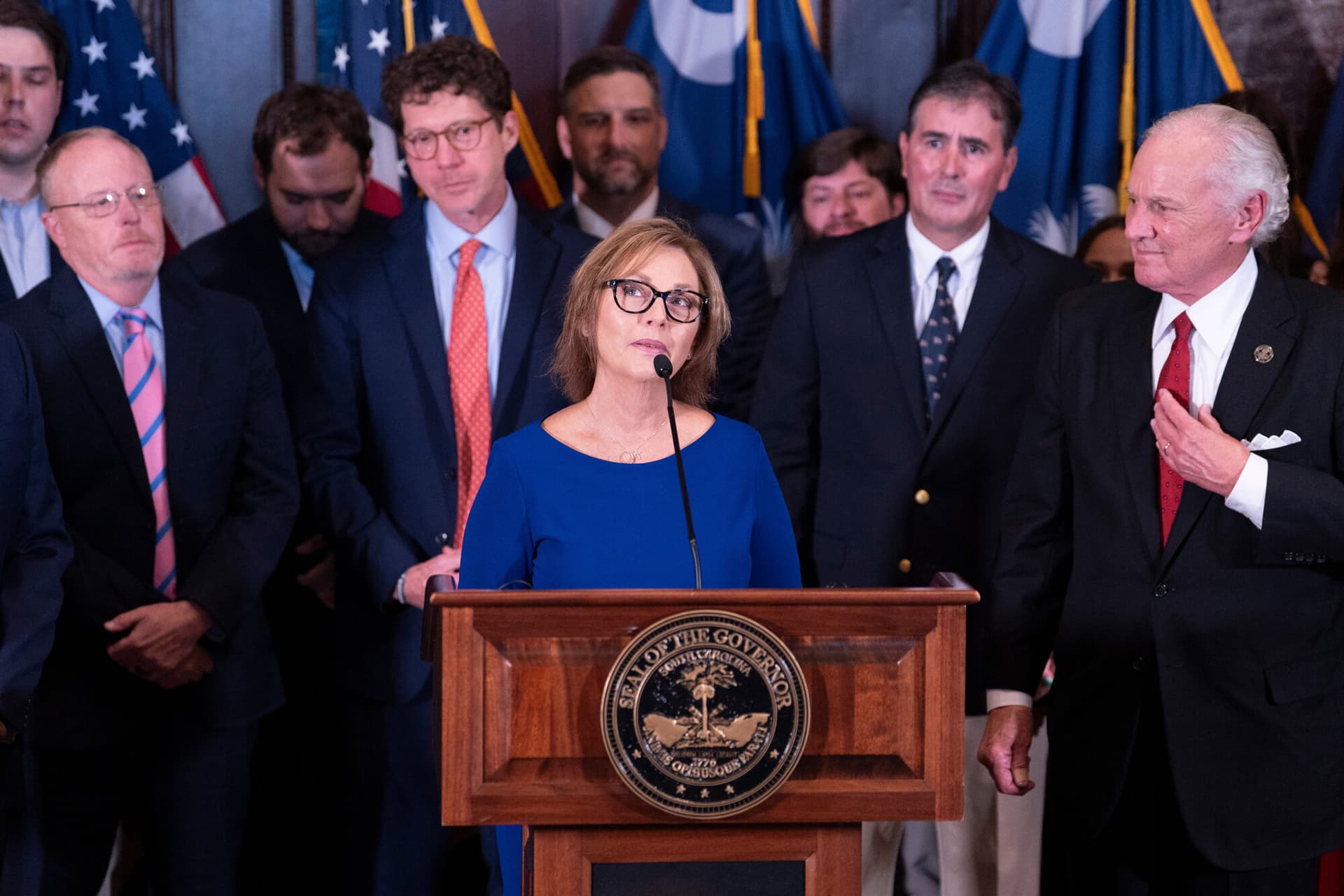
A bipartisan House push for one national AI rulebook took shape on Thursday as Reps. Lori Trahan of Massachusetts and Jay Obernolte of California released a 269-page draft that would stop states from writing their own laws for AI model development for three years. The Great American AI Act, unveiled with Reps. Suhas Subramanyam, Scott Franklin, Scott Peters and Erin Houchin, would still let states regulate how AI is used once it reaches consumers, schools, workplaces and public agencies.
The proposal is aimed squarely at frontier models, not downstream applications, and its backers say that matters because the most powerful systems are where the biggest safety, cybersecurity and national security risks begin. The draft would create a federal framework built around four pillars, frontier model governance, workforce analysis, cybersecurity and AI research and development, while codifying the Commerce Department’s Center for AI Standards and Innovation. Nextgov/FCW reported that CAISI would receive $100 million a year from 2027 through 2029 to develop standards, issue voluntary guidance, study national security risks and oversee a licensing regime for independent verifiers that would audit frontier-model developers.
Under the draft, large developers would have to create and publicly disclose AI governance frameworks, identify risk thresholds, state release dates and determine whether a model could pose a catastrophic risk when managing cybersecurity defenses. The bill would also require independent verification organizations to confirm compliance. That kind of federal structure is designed to give companies one set of expectations instead of a patchwork of 50 state regimes, a point lawmakers and industry advocates have pushed as AI systems spread across the country.
The biggest losers from the moratorium would be states that want to move faster than Congress. A bipartisan coalition of 36 state attorneys general warned in November 2025 against a blanket ban on state AI laws, saying states need flexibility to respond to scams, deepfakes and harmful AI interactions affecting children and seniors. The National Conference of State Legislatures has argued that any federal framework should be a floor, not a ceiling, for state action. State lawmakers in Massachusetts and New York also warned Trahan against helping preempt state authority, underscoring how much resistance this fight could meet before it leaves Washington.
The winners would likely be the largest AI companies, which would gain more predictable compliance costs and less exposure to conflicting state requirements. Startups could also benefit from fewer legal headaches, though a federal regime could still favor firms with the resources to meet disclosure, verification and governance demands. Consumers would get a uniform baseline, but they could lose faster state experiments on accountability if Washington blocks model-development rules first.
The draft arrived just days after the White House issued a June 2 executive order that set up a voluntary frontier-model framework and explicitly rejected mandatory licensing, pre-clearance or permitting. With lawmakers saying they want public input before formal introduction, the debate now turns on whether Congress can finish a bipartisan AI deal before the August recess, or whether states will remain the faster-moving laboratories of AI regulation.
This article was produced by Prism’s automated news system from verified source data, official records, and press releases, then run through automated quality and moderation checks before publishing. The system is built and supervised by the people who set the standards it runs under. Read our full AI policy.
Did this article answer your question?