Lawmakers push to save $386 million ocean monitoring network
Lawmakers moved to block the shutdown of a $386 million ocean network as scientists warned it tracks El Niño, marine heatwaves and fisheries across U.S. waters.
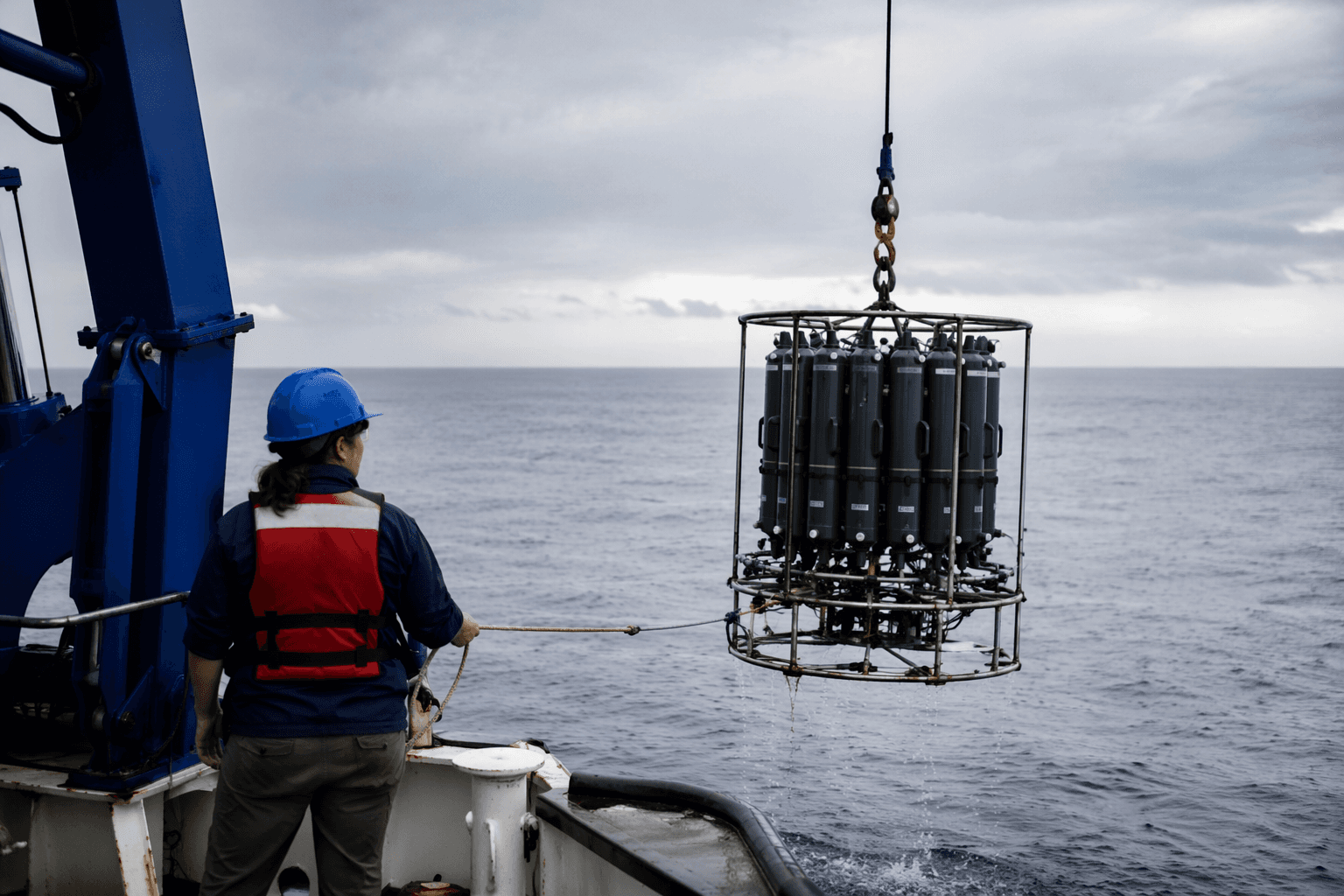
Congressional lawmakers are trying to stop the National Science Foundation from dismantling one of the nation’s most important ocean monitoring systems, a $386 million network built around more than 900 sensors. The Ocean Observatories Initiative has supplied long-term data used by scientists, forecasters and policymakers, and its removal would cut off measurements that track ocean circulation, marine heat, coastal conditions and marine ecosystems.
Democratic senators and two Democratic House committees sent formal letters urging the NSF to reverse course, while House lawmakers went further and accused the agency of acting illegally. The pushback has sharpened the fight over whether the federal government is preserving essential scientific infrastructure or tearing it apart before the public and Congress can fully assess the consequences.
The NSF posted its descoping plan on May 21 and said it would remove in-water infrastructure from the Irminger Sea, Station Papa, Endurance and Pioneer arrays. House Democrats said the agency did not notify Congress until after media reports surfaced. A buoy off the Oregon coast was scheduled to be recovered on June 16, making the shutdown effort immediate rather than abstract. The broader removal is expected to take about 15 months.
The National Academies warned in a June 9 statement that beginning to remove the deep-sea infrastructure could leave the United States without data needed to address El Niño impacts, marine heatwaves, fisheries and other ocean-climate questions. That warning cuts to the core of what the observatory does: it provides continuous, standardized measurements that let researchers compare present conditions with past patterns instead of relying on scattered snapshots.

Scientists and oceanographers say losing the network would create gaps in long-term records from waters off Oregon, Washington, Alaska, North Carolina and Greenland. Those records have supported more than 500 scientific publications and were originally expected to continue for another 15 to 20 years. If the arrays come apart, researchers would lose a public data stream that helps detect warming trends, shifting currents, coastal changes and stress on marine life before those changes hit fisheries, ports and coastal communities.
The dispute now reaches beyond one research project. For lawmakers pressing NSF to halt the shutdown, the issue is whether the country treats ocean observation as disposable hardware or as public infrastructure that helps the United States understand a changing sea.
This article was produced by Prism’s automated news system from verified source data, official records, and press releases, then run through automated quality and moderation checks before publishing. The system is built and supervised by the people who set the standards it runs under. Read our full AI policy.
Know something we missed? Have a correction or additional information?
Submit a Tip