Lawsuit by ex-lawmakers could force higher pay for all 535 members
A suit advanced by former and veteran lawmakers seeks court relief that could raise congressional salaries and reshape how pay is set for all 535 members.

A lawsuit advanced by a group of former lawmakers and veteran members seeks judicial relief that could result in higher salaries for all 535 members of Congress and test constitutional limits on how pay for those offices is established.
The complaint, filed Feb. 21, 2026, asks a court to review long-standing practices around congressional compensation and could compel changes to statutory or administrative mechanisms that determine lawmakers' pay. If a court orders a remedy, the decision could produce immediate raises, alter future adjustment procedures and provoke new political fights over pay governance.
Members of Congress currently receive a base salary of about $174,000, a figure that has drawn periodic scrutiny as inflation, living costs and political expectations change. The case elevates a perennial political question into a legal contest: whether courts can, and should, intervene in matters traditionally handled through the legislative process and constitutional amendment.
The litigation arrives at a politically sensitive moment. With the 2026 election cycle underway and many incumbents facing tough re-election bids, a judicially imposed increase would place newly decided pay formulas before voters and could produce accusations of self-dealing. At the same time, proponents argue that predictable, market-sensitive compensation can affect the quality and diversity of representation, especially for rank-and-file members who may be discouraged by stagnant pay and rising personal expenses.
Legal scholars and practitioners say the suit raises several knotty constitutional issues. The 27th Amendment, ratified in 1992, forbids laws varying congressional compensation from taking effect until after an intervening election in the House of Representatives. Any judicial order that accelerates pay changes or awards retroactive increases would need to grapple with that text. A court ruling that narrows or clarifies the amendment’s reach could create immediate practical effects and longer-term precedent.
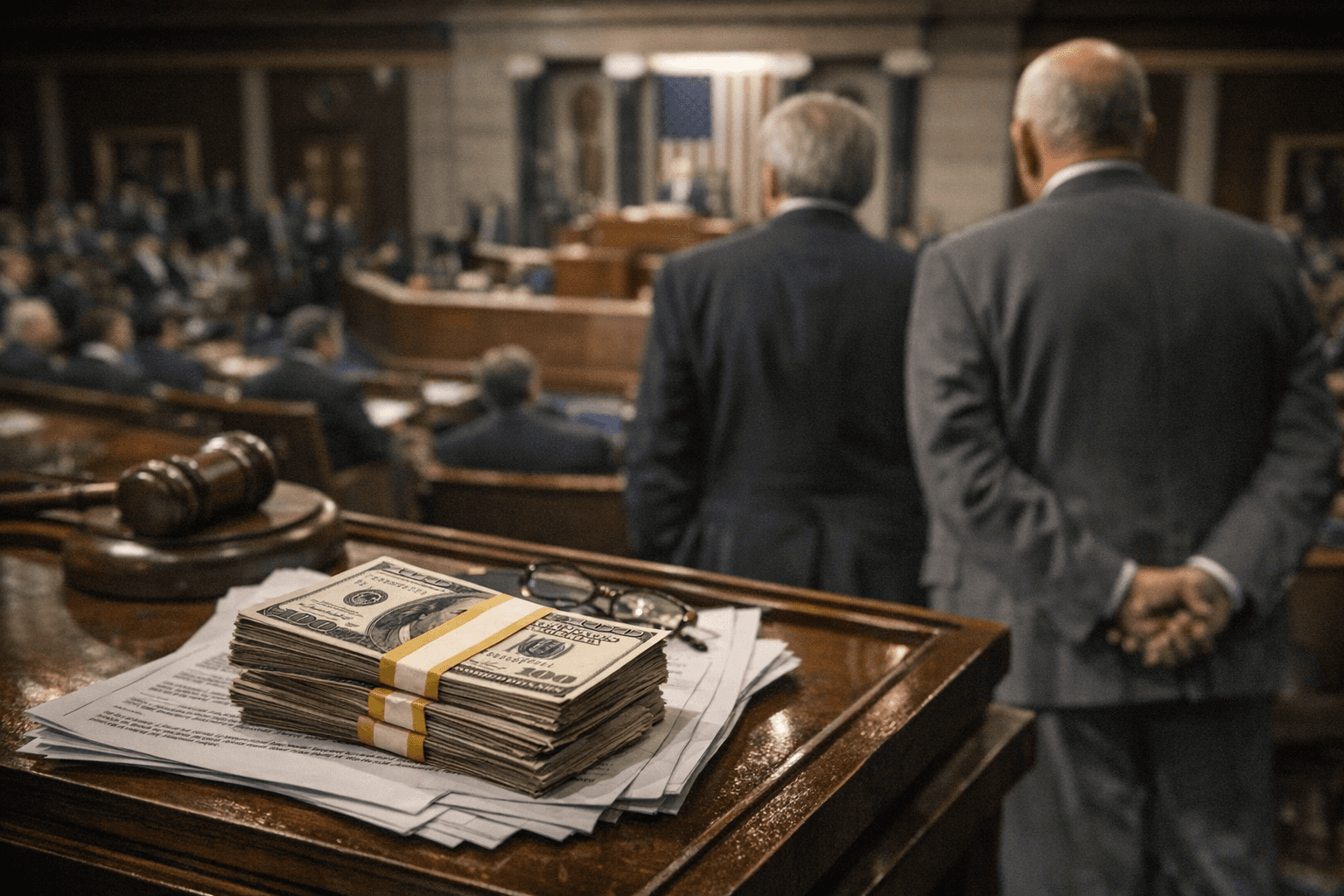
Beyond constitutional law, the case highlights separation of powers questions. Judges are generally reluctant to decide issues involving the organization and internal affairs of another branch, and courts have historically limited their intervention where political processes are available. A successful challenge would therefore mark a notable departure from deference and could invite reciprocal political responses, including new legislation or moves to insulate compensation decisions from judicial review.
The suit also carries diplomatic and cultural implications. How the United States compensates its legislators influences international perceptions of governance and the incentives that draw professionals into public service. For countries watching U.S. institutional practice, a court-driven change could be read as an expansion of judicial oversight into policy areas, reinforcing comparative debates about judicialization of politics.
If the court moves quickly and grants any form of relief, Congress faces immediate choices: accept the ruling, craft legislation to implement adjustments consistent with constitutional constraints, or pursue appellate review that could delay any pay changes for months or years. Either outcome is likely to be highly visible to voters and media, with implications for recruitment of future candidates, congressional staffing, and the broader public’s trust in democratic institutions.
This article was produced by Prism’s automated news system from verified source data, official records, and press releases, then run through automated quality and moderation checks before publishing. The system is built and supervised by the people who set the standards it runs under. Read our full AI policy.
Did this article answer your question?

