Le Pen vows to pull France from NATO command if elected
Le Pen has reopened France’s NATO fight, promising to quit the alliance’s integrated command and revive a break last made in 1966.

Marine Le Pen has turned France’s place inside NATO into a live test of how far Europe’s nationalist right is willing to unwind postwar security integration. She said on BFM TV that, if elected president next year, she would pull France out of NATO’s integrated military command, while keeping the country inside the alliance itself.
That distinction is central. NATO has 32 member states, but its integrated command is the machinery that helps coordinate rapid military action, joint planning and day-to-day interoperability. Leaving it would not mean a full French exit from NATO, yet it would strip Paris from the command structure that links alliance forces and shapes how deterrence is organized. Foreign Minister Jean-Noel Barrot called the proposal “irresponsible,” underscoring how quickly Le Pen’s remarks became a serious argument over French security policy rather than a campaign flourish.
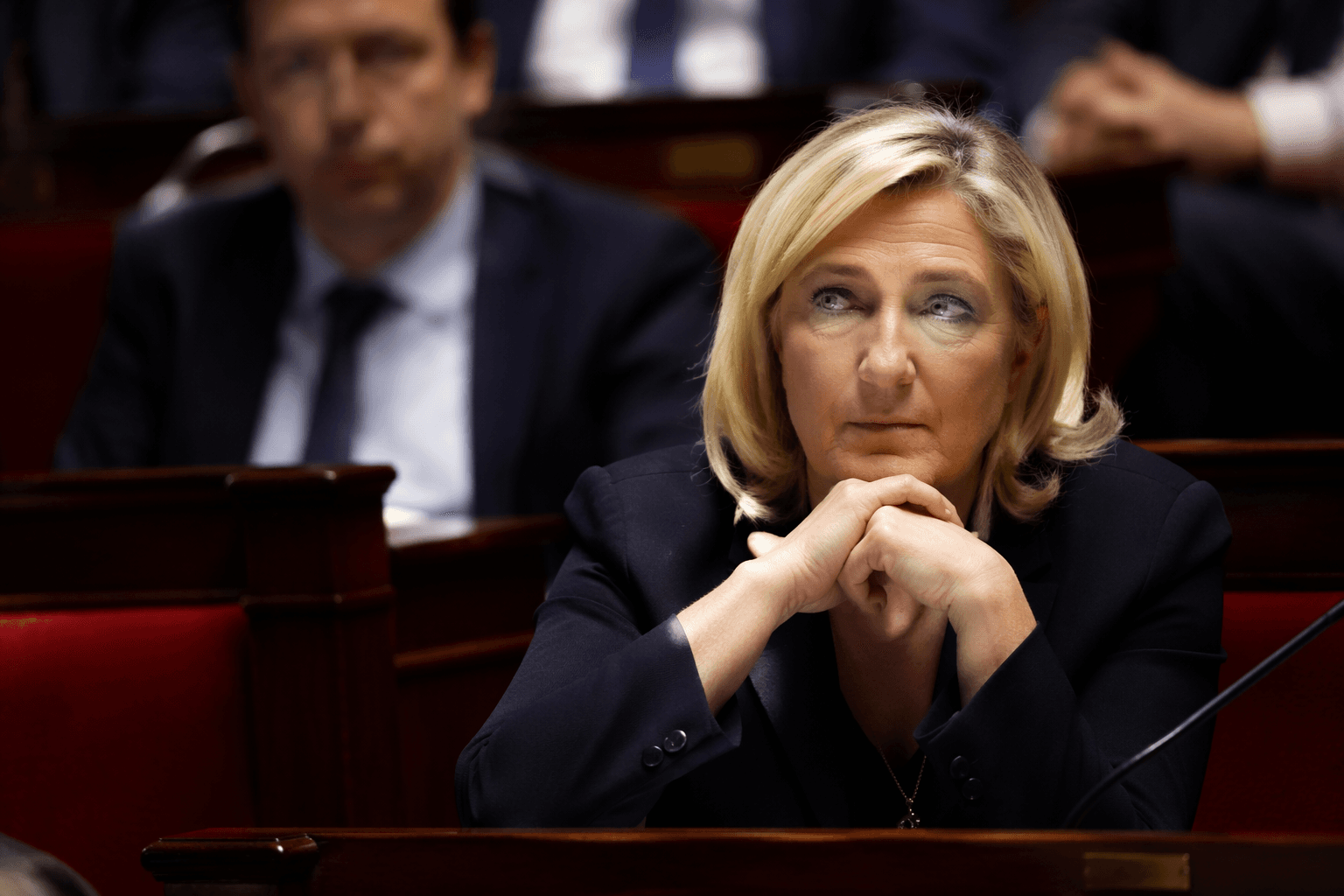
Le Pen’s case rests on sovereignty. She argues that the command system compromises French independence and makes Europe too dependent on decisions made in Washington, especially on Donald Trump’s choices. For France, that would mark a sharp shift in how it balances national autonomy against alliance solidarity. For the United States, it would raise questions about whether a major European power wants to remain in the room for political commitment but step back from the operational system that makes U.S.-European coordination work in practice.
The move would also reverse a familiar French pattern. Under Charles de Gaulle, France withdrew from NATO’s integrated military command in 1966, though it never left NATO itself. Paris later moved back toward the system in 2004, when personnel were assigned to permanent staffs at SHAPE and subordinate headquarters, and France officially rejoined the integrated military command in 2009 under Nicolas Sarkozy. Even after the 1966 break, France remained active in alliance operations, including in Bosnia, Kosovo and Afghanistan.
Le Pen’s proposal arrives with French politics still unsettled. Her effort to compete in the 2027 presidential race depends in part on an appeals court ruling later this year, and the far right’s internal line is not fully aligned. Jordan Bardella said in March that he would not pull France out of NATO’s command during wartime, while one report has the National Rally still aiming to leave the integrated structure before 2032.
The broader stakes reach well beyond France. With Russia’s war against Ukraine still testing allied unity and Europe still debating how much security it can build without the United States, Le Pen’s vow is a direct challenge to the postwar order that tied French power to NATO command. If she ever tried to carry it out, the rupture would be symbolic and operational at once.
This article was produced by Prism’s automated news system from verified source data, official records, and press releases, then run through automated quality and moderation checks before publishing. The system is built and supervised by the people who set the standards it runs under. Read our full AI policy.
Did this article answer your question?