Leaked Dummies Reveal iPhone 18 Pro, Foldable iPhone Design Details
Dummy units show Apple's foldable iPhone folding into a passport-like shape with a ~7.8-inch interior display, wider and shorter than any rival foldable on the market.
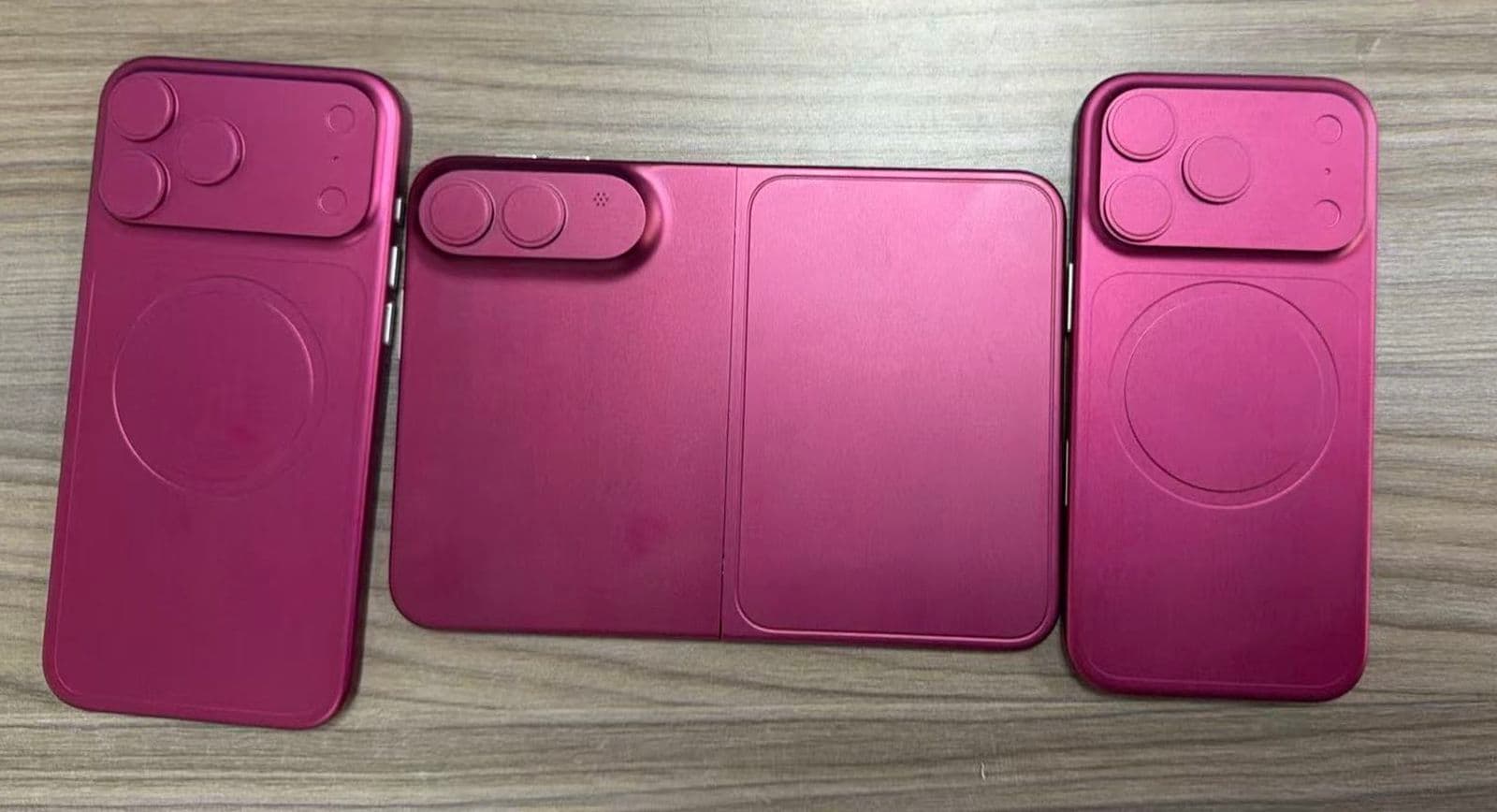
Non-functional mock-ups attributed to leaker Sonny Dickson surfaced Monday, offering the most tangible look yet at Apple's 2026 hardware ambitions: iterative Pro updates and a foldable iPhone with a form factor that breaks sharply from every competing device currently on the market.
The foldable dummy drew immediate attention for its proportions. When closed, it is notably wider and shorter than rivals from Samsung and Google, earning comparisons to a passport in shape. Unfolded, the interior display would measure roughly 7.8 inches diagonally, putting it in proximity to the iPad mini in surface area. That is a deliberate design statement: where competitors built foldables that are tall and narrow, Apple's mock-up suggests a device optimized for single-handed use when closed and tablet-like productivity when open, a tradeoff that could reframe consumer expectations for what the foldable category is actually for.
The iPhone 18 Pro and Pro Max dummies, by contrast, signaled evolution rather than reinvention. The most notable change is a reduced Dynamic Island, the pill-shaped cutout housing Face ID and front-camera sensors. A smaller housing could translate to marginally more usable display area, though the dummies themselves reveal nothing about underlying sensor arrangements or optical engineering changes.
That limitation is central to how dummy leaks should be read. These mock-ups serve a specific supply-chain function: accessory makers and case manufacturers use them to finalize dimensions, button placement, and camera module footprint before Apple announces anything publicly. They are accurate on exterior geometry by design. They say nothing about hinge mechanisms, crease mitigation technology, or the materials Apple might use to protect a folding display. MacRumors, which published the images alongside analysis, and 9to5Mac and The Verge, which covered the leak separately, all noted that caveat. Dummy dimensions have historically matched shipping products closely, but they carry no guarantee of the final industrial design, and Apple's iterative development process means refinements remain possible.
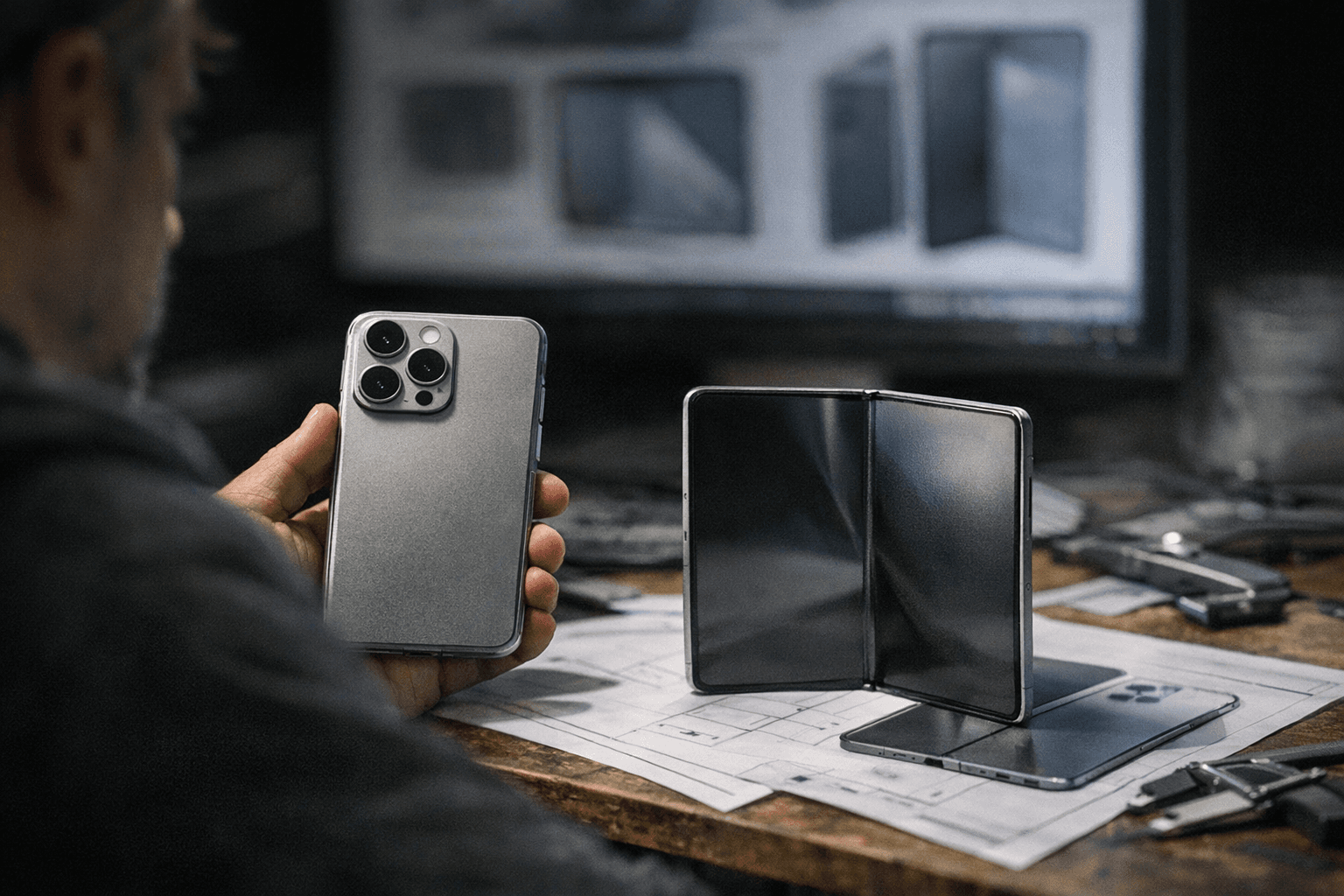
The supply-chain signal embedded in these dummies may matter more than any single design detail. Analysts tracking Apple's foldable program had flagged engineering complications with potential to delay mass production. Finalized dummies circulating among accessory manufacturers suggest Apple has moved past design validation, a meaningful threshold. Accessory makers are already preparing tooling based on these dimensions; if Apple alters the form factor late in the process, those suppliers absorb the cost, which creates its own incentive for the dimensions to hold.
For Samsung and Google, the aspect ratio is the competitive question worth watching. Both companies built their foldable ecosystems around tall, narrow closed profiles. Apple's apparent preference for a wide, short form factor is a direct argument that the existing foldable standard is wrong for most users. Whether consumers agree will define the next phase of a category that has grown steadily but never achieved mainstream adoption. Apple's entry, whenever it arrives, will force that reckoning.
This article was produced by Prism’s automated news system from verified source data, official records, and press releases, then run through automated quality and moderation checks before publishing. The system is built and supervised by the people who set the standards it runs under. Read our full AI policy.
Did this article answer your question?


