Lease Expirations Will Flood Used-Car Lots With Electric Vehicles
Lease returns are about to swell used EV supply just as federal incentives fade, opening a cheaper path into electric driving for price-sensitive buyers.

Hundreds of thousands of leased battery-powered cars and trucks are due back over the next three years, and that pipeline could do more than fill used-car lots. It could reset the economics of electric-vehicle ownership for buyers who have been shut out of the new-car market by high sticker prices, even as they keep one eye on battery-health concerns and resale values.
That shift is already taking shape. Cox Automotive and Kelley Blue Book said about 48% of new electric cars were leased, not purchased, in August 2024, a much higher share than in the broader auto market. Lease-heavy sales are creating a second life for EVs at a time when the first wave of adoption is still rolling through the country. Cox Automotive has said a second significant wave of EV shoppers is expected to enter the market in the second half of the decade, when more of those leased vehicles come back to market.
The scale is large enough to move prices. U.S. EV sales reached a record 1.3 million in 2024, up 7.3% from 2023, helped by aggressive automaker discounts, strong lease deals and federal and state incentive programs. Those sales are now feeding tomorrow’s used inventory. For shoppers, that means more choices at lower monthly payments. For dealers, it means a growing need to price used EVs against not just other battery-powered cars, but gasoline vehicles that still dominate the market.
Cox Automotive’s December 2025 EV Market Monitor showed the used market was already absorbing more EVs: new supply remained elevated and used-EV days’ supply increased, though it was still below internal-combustion levels. That matters because used supply is the pressure point where affordability improves fastest. As lease returns rise, the market should see more EVs priced where mass-market shoppers actually shop, especially in compact and midsize segments.
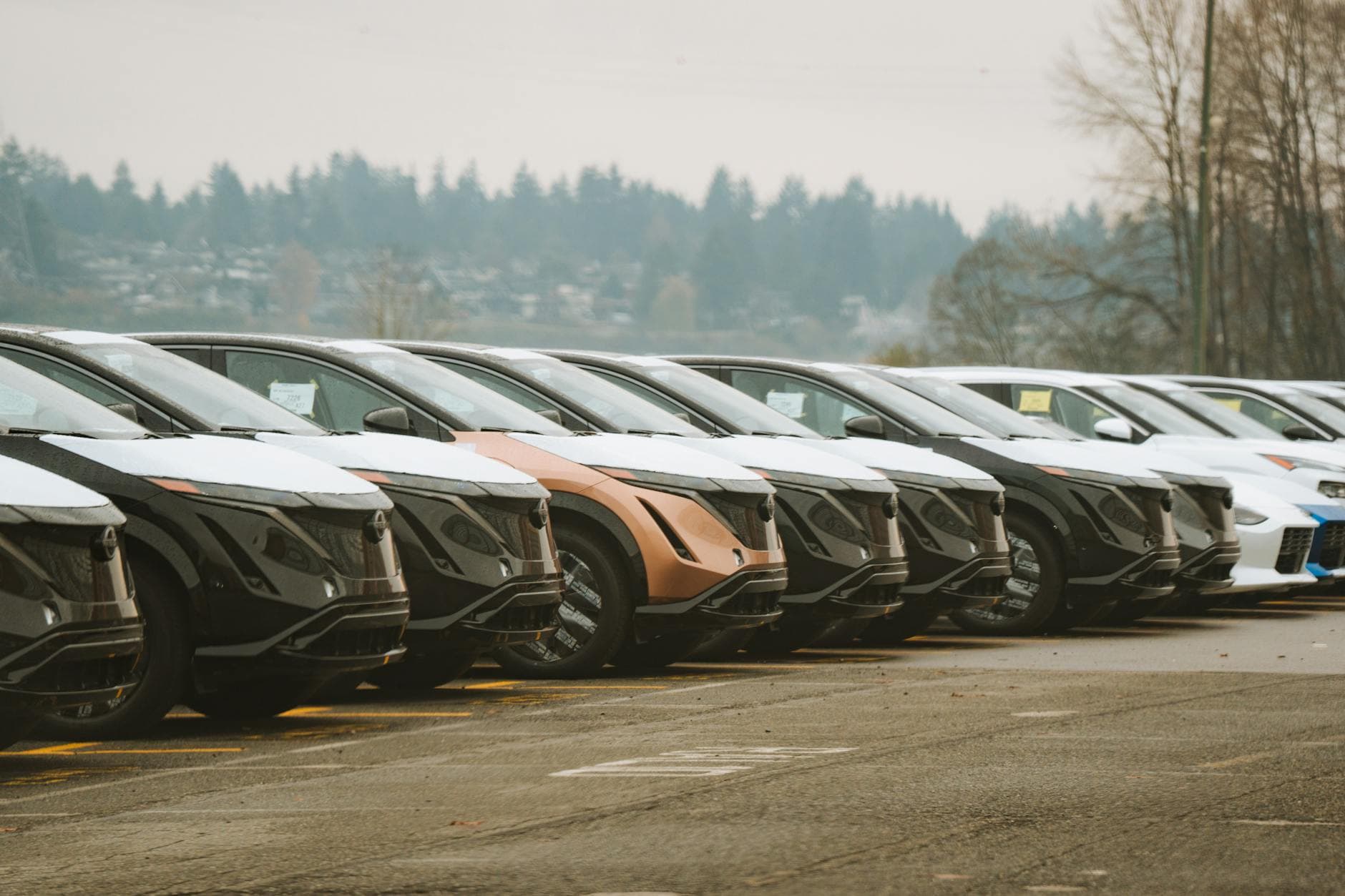
But the affordability story is unfolding alongside a policy reset. Cox Automotive said in September 2025 that federal EV tax credits were winding down and adoption would not continue automatically without support. Edmunds said EV sales momentum cooled in October 2025 after a record September, as shoppers pulled purchases forward before the end of the $7,500 lease credit changed timing. With incentives fading, the off-lease wave could become the main bridge between premium EV pricing and a broader used-car audience.
That is why the next few years matter. If battery durability fears ease and used prices settle into a predictable pattern, the coming flood of off-lease EVs could turn electric driving from a niche purchase into a realistic option for more households.
This article was produced by Prism’s automated news system from verified source data, official records, and press releases, then run through automated quality and moderation checks before publishing. The system is built and supervised by the people who set the standards it runs under. Read our full AI policy.
Did this article answer your question?

