Procter & Gamble warns of $1 billion profit hit from oil prices
Procter & Gamble said surging oil prices could shave about $1 billion from profit next fiscal year, a warning that could reach household budgets fast.
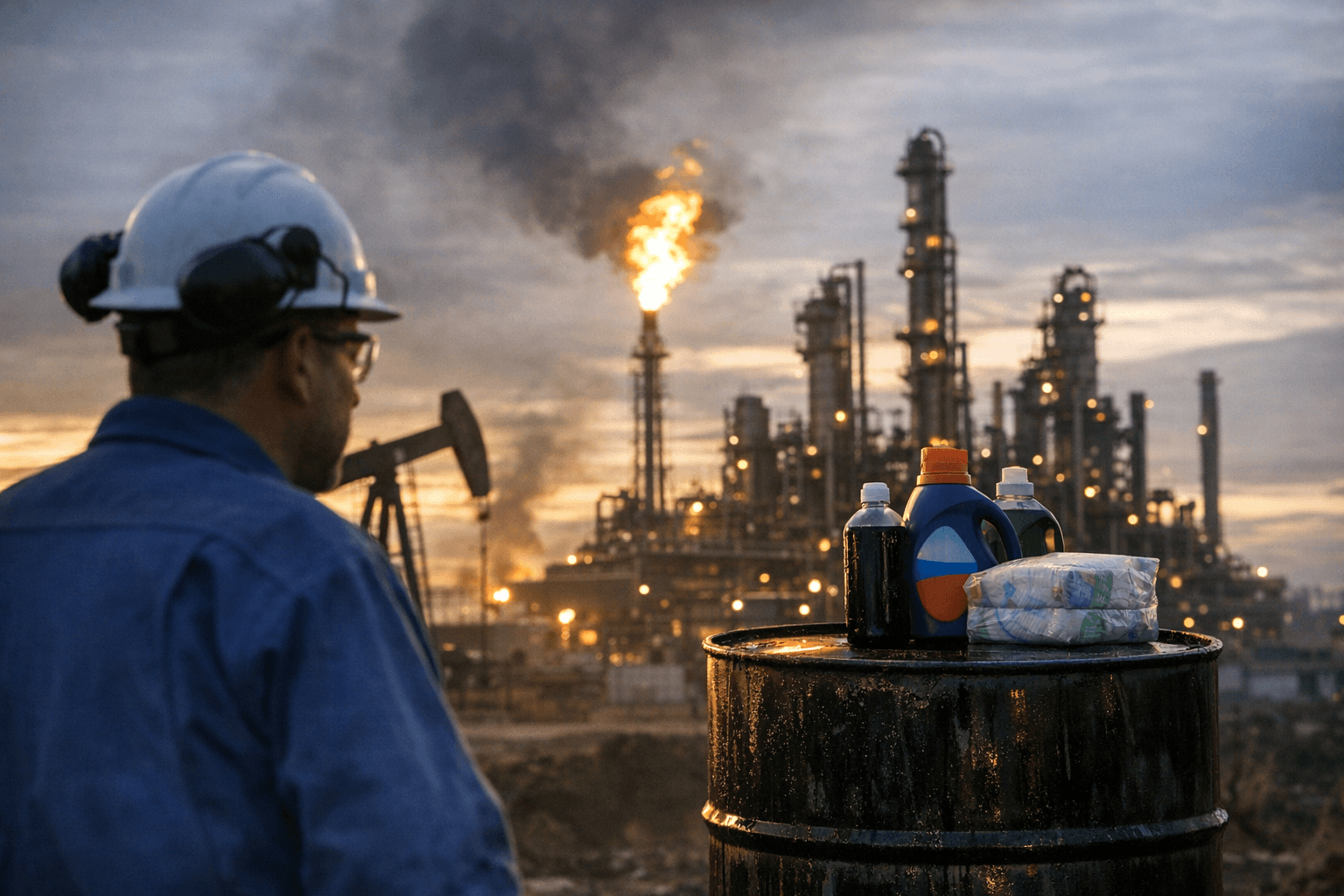
Higher oil prices are no longer just an energy-market story for Procter & Gamble. They are flowing into the plastics and paper used in packaging, into transportation costs and into the manufacturing inputs behind everyday household goods, a mix of pressures the company said could trim about $1 billion from profit in its next fiscal year.
The warning landed as P&G said the hit would apply to fiscal 2027, which begins in July. The company tied the estimate to a surge in oil prices connected to the Middle East conflict, with crude rising from around $60 a barrel before the fighting to about $100 now. That kind of jump matters far beyond the fuel tank. For a consumer-products giant that sells items bought week after week, the impact can run through bottles, cartons, wrappers and the logistics network that moves them to store shelves.
The scale of the expected hit puts P&G among the larger corporate casualties outside airlines, where fuel is a direct cost shock. It also makes the company one of the clearest examples yet of how war-related commodity shocks can be converted into concrete earnings guidance by consumer staples firms. P&G’s finance chief underscored the pressure by saying the headwind is not trivial.
Investors took some comfort from the rest of the report. P&G still beat sales and earnings estimates, and its shares rose as much as 5% in Friday trading. That reaction suggested confidence that the company has enough brand strength, pricing power and cost discipline to absorb at least part of the shock for now. Even so, the guidance points to what prolonged energy disruption can do to the staples aisle: higher shelf prices, slower volume growth and tighter margins.
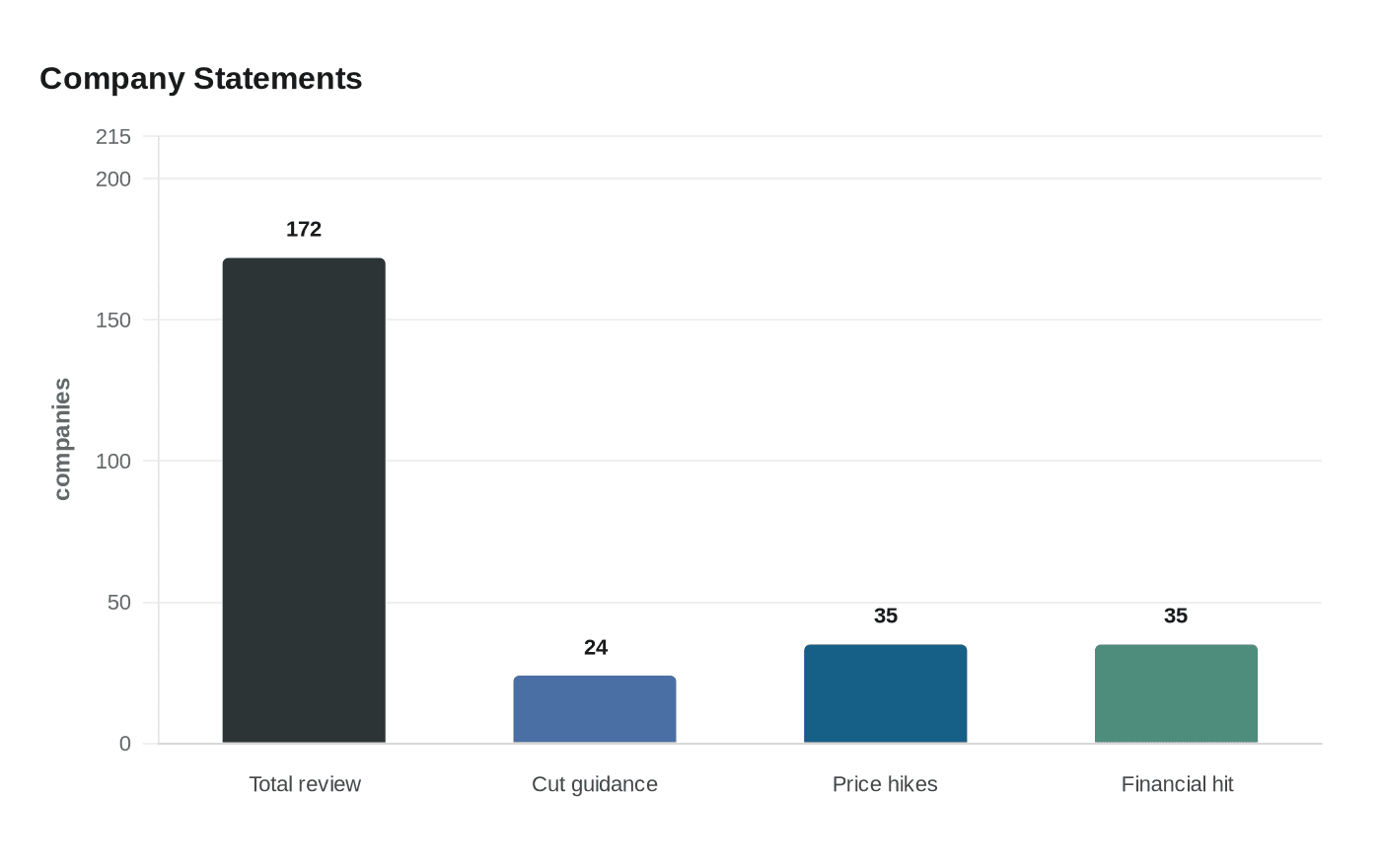
P&G is not alone. Nestle has warned about higher costs linked to a blockade in the Strait of Hormuz, while Beiersdorf is considering price increases later this year if commodity costs keep rising. In a broader review of 172 company statements since the start of the Iran war, 24 companies withdrew or cut guidance, 35 signaled price increases and another 35 warned of a financial hit. Together, those disclosures suggest the oil spike is already seeping into corporate planning across the consumer-products sector, with the risk that Middle East turmoil could reignite inflation in the goods households buy most often.
This article was produced by Prism’s automated news system from verified source data, official records, and press releases, then run through automated quality and moderation checks before publishing. The system is built and supervised by the people who set the standards it runs under. Read our full AI policy.
Did this article answer your question?

