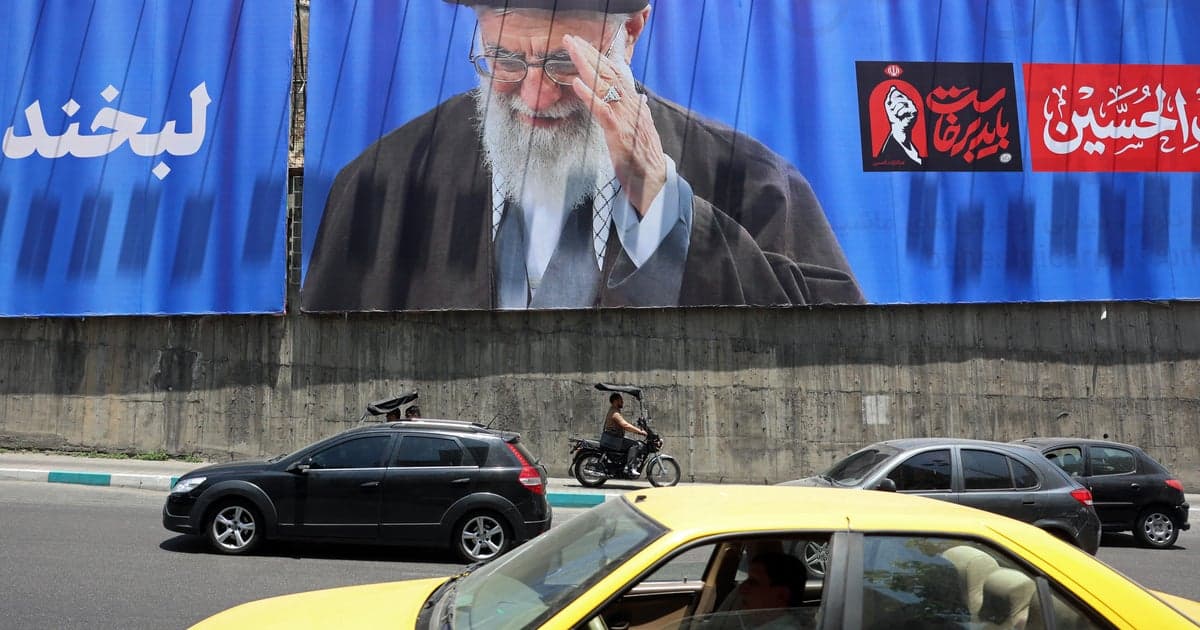
Lebanese families exhume loved ones for burial after cease-fire
Temporary graves in Tyre were marked with red numbers on wooden boards. As the cease-fire held, families exhumed loved ones for a second burial in ancestral cemeteries.

In Tyre, 2-metre-wide ditches held the dead through the fighting, and simple red numbers painted on wooden boards were the only markers left for families searching for their loved ones. When the cease-fire brought a fragile calm to south Lebanon, those same families returned to open temporary graves, exhume caskets and carry the dead to burial places that had been unreachable for weeks.
The scene exposed the human cost of a war that had already scattered communities across the south. Fighting and evacuation orders had made village cemeteries impossible to reach, so burials were pushed farther north into makeshift graveyards. In Tyre, the dead were laid to rest in temporary plots because the alternative was leaving bodies unburied while airstrikes and displacement cut off access to ancestral land.
Rabih Koubaissi remained in Tyre to supervise the burials despite Israeli orders to leave and the bombardment around the city. He said war had broken every step of the burial process and forced families to bury their loved ones twice: once in a temporary grave, then again when the truce made it possible to return. For many, the first burial brought only limited peace of mind, because it was always understood as provisional.
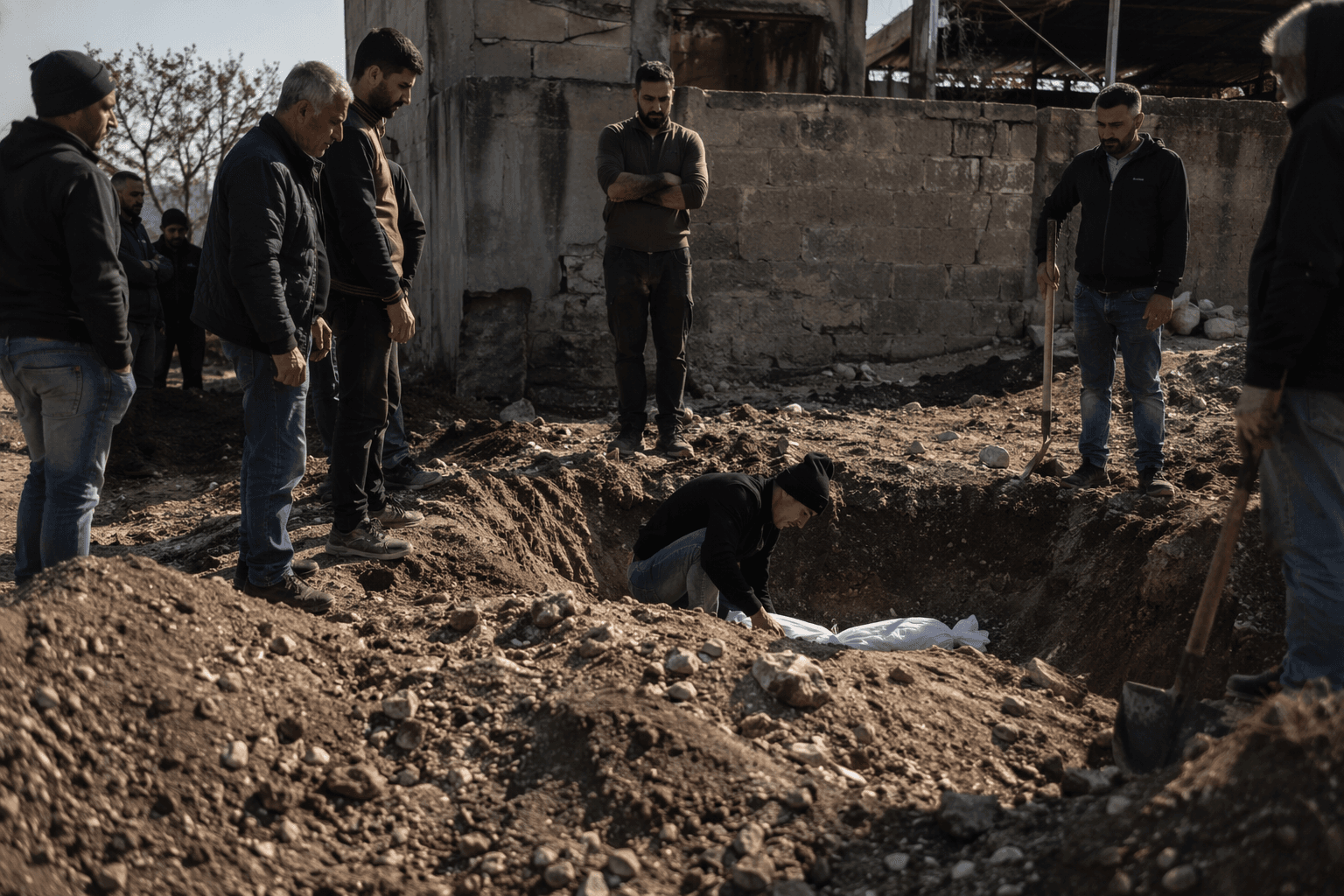
Islamic burial practice normally calls for a body to be washed, wrapped in a white shroud and placed directly in the ground. War changed that. In exceptional cases, families and clerics used a casket-based rite known as wadiaa, which allowed the casket, not the body, to be exhumed later. That exception became essential in the south, where temporary graves had to serve as stand-ins for the family cemetery.
Even with the cease-fire in place, uncertainty lingered over how long the dead would remain in these makeshift resting places. Some Lebanese feared they could wait months or years before they were able to rebury relatives in ancestral cemeteries if Israeli control south of the Litani River endured. For grieving families, the truce made visible what the fighting had delayed: the unfinished business of burial, identification and mourning.
This article was produced by Prism’s automated news system from verified source data, official records, and press releases, then run through automated quality and moderation checks before publishing. The system is built and supervised by the people who set the standards it runs under. Read our full AI policy.
Did this article answer your question?