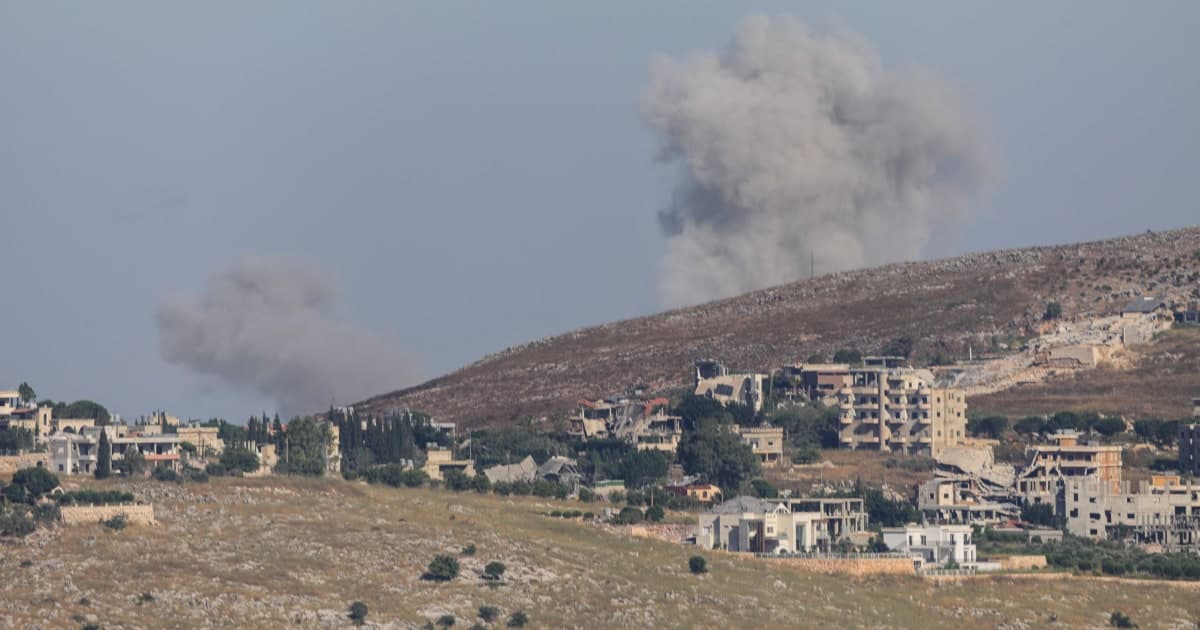
Lebanon ceasefire revives Witkoff’s Iran talks in Switzerland
A Lebanon ceasefire reopened Steve Witkoff’s path to Switzerland, but the talks now hinge on whether fighting can stay quiet long enough for Iran diplomacy to begin.
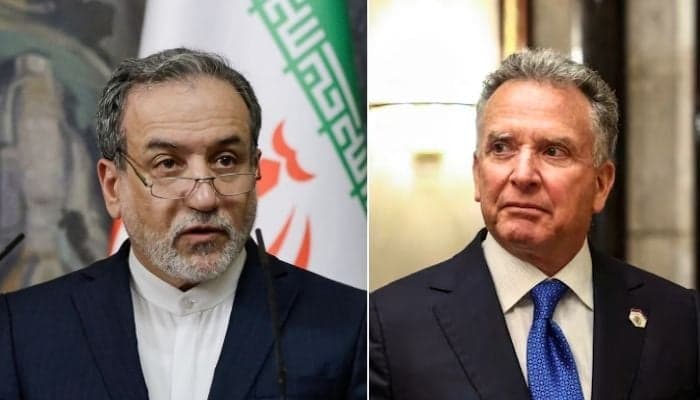
A ceasefire in Lebanon reopened the way for Steve Witkoff to head to Switzerland for talks with Iran, but the diplomatic track remained hostage to the next round of fighting on the ground. The revived negotiations, expected to include Iranian Foreign Minister Abbas Araghchi, were briefly delayed when the latest exchange of strikes in Lebanon threatened to swamp the broader U.S.-Iran understanding before it even got started.
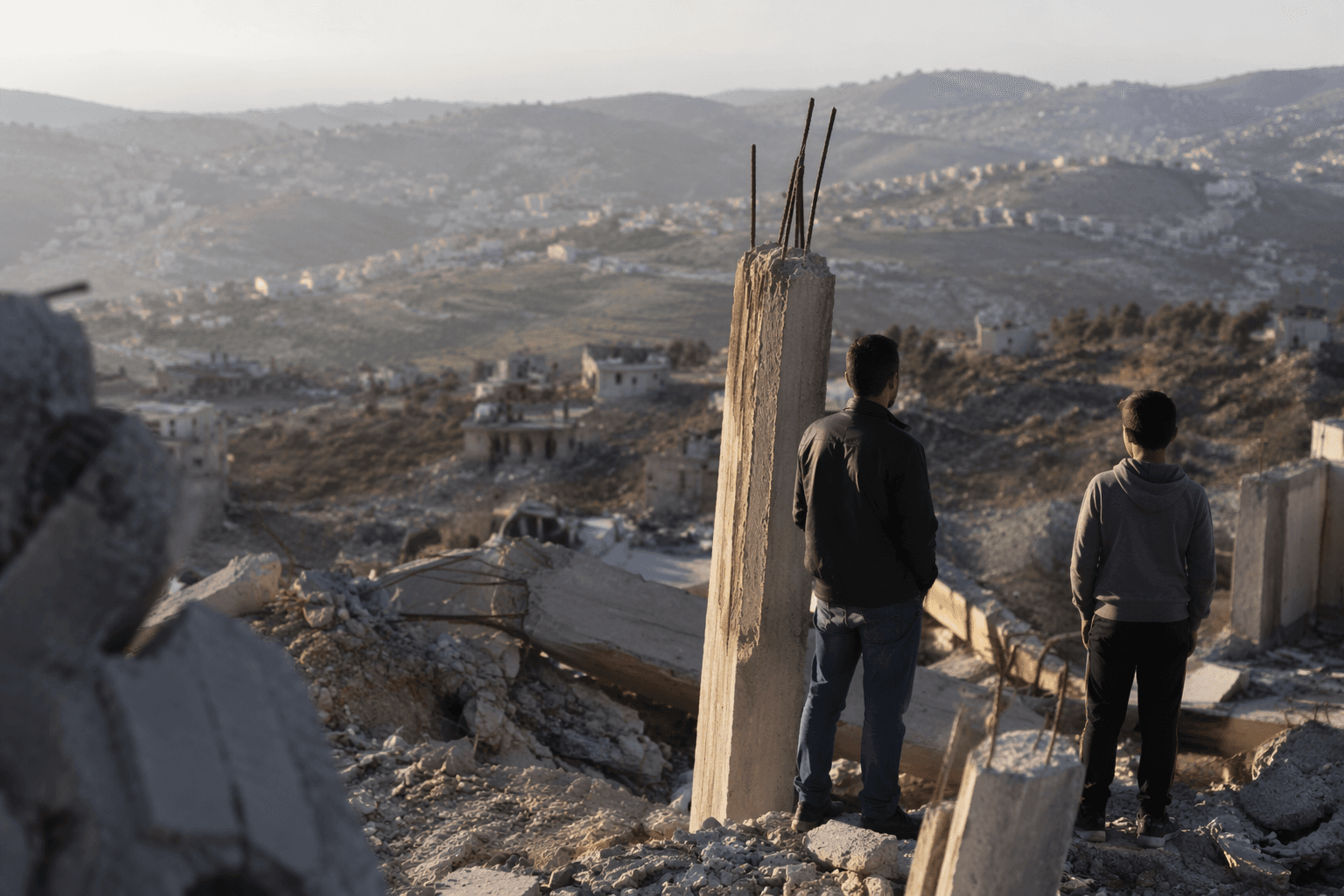
The ceasefire between Israel and Hezbollah was reported to take effect at 4 p.m. local time on Friday, June 19, 2026, after days of violence that killed at least 18 people in Lebanon and left four Israeli soldiers dead, according to Israeli accounts. The pause gave Washington room to revive the Switzerland talks, which had been put on hold as the Lebanon flare-up tightened the pressure on the intermediaries trying to keep the deal alive.
Trump said he personally asked Israel to agree to the Hezbollah ceasefire, underscoring how closely the Lebanon front has become tied to the larger regional bargain. The U.S.-Iran channel has been framed as an interim arrangement aimed at reopening the Strait of Hormuz to global shipping and stabilizing oil supplies, with harder questions, including Iran’s nuclear program, pushed into later negotiations. Reuters-based reporting said the deal would extend a fragile ceasefire by 60 days before those more difficult issues are addressed.
The stakes were visible in energy markets. Oil prices fell about 5% to a three-month low on hopes that the Strait of Hormuz could reopen, a sharp sign that traders were already pricing in some relief if the diplomacy held. That market reaction also highlighted how quickly military escalation in Lebanon could reverberate far beyond the battlefield and into the global oil trade.
Jared Kushner was also reported to be in Switzerland or joining the effort, adding another layer to an already crowded mediation track. The regional channel appeared to run through multiple intermediaries, including Qatar, rather than resting on direct trust between Washington, Tehran and the parties on the ground. That made Lebanon the immediate pressure point for a wider effort that was meant to de-escalate the region, but could just as easily be blown apart by the next strike.
This article was produced by Prism’s automated news system from verified source data, official records, and press releases, then run through automated quality and moderation checks before publishing. The system is built and supervised by the people who set the standards it runs under. Read our full AI policy.
Know something we missed? Have a correction or additional information?
Submit a Tip