Bolivia's president declares emergency as protests choke economy
Road blockades that have choked fuel, food and medicine pushed Rodrigo Paz to seek military help, but Congress still has 72 hours to block the emergency.
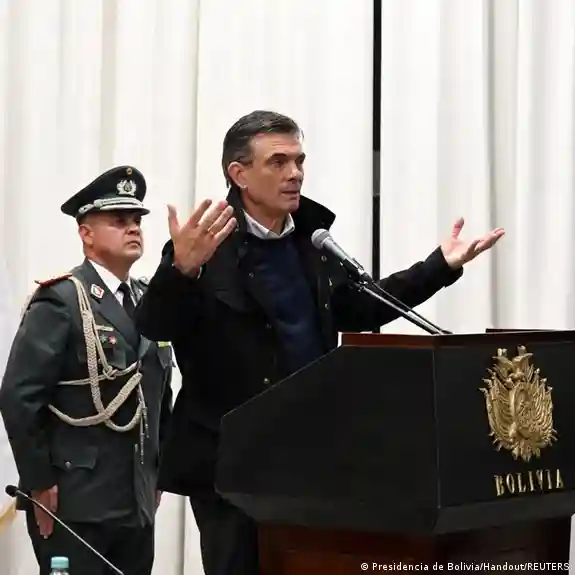
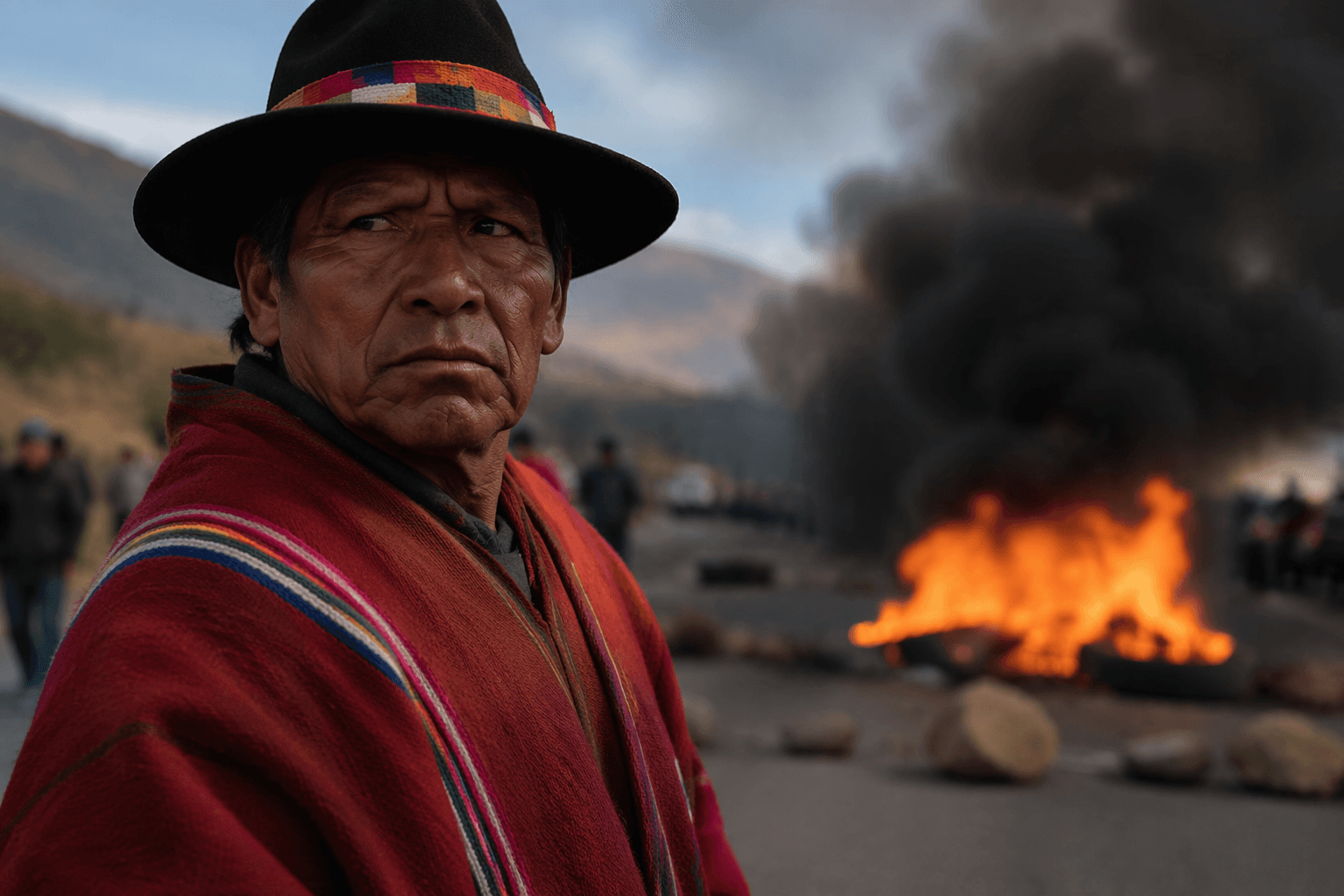
Bolivia’s political crisis escalated sharply as President Rodrigo Paz declared a state of emergency and opened the door to wider military deployment against road blockades that have paralyzed much of the country for 50 days. The move aimed to clear barricades and restore order, but it also underscored how quickly a dispute over prices and shortages has hardened into a test of state authority.
Paz announced the decree in a live address on Saturday, June 20, just hours after unveiling a deal with the Bolivian Workers’ Confederation, or COB. That agreement was meant to ease tensions, but it did not cover many of the road closures still controlled by rural groups aligned with former president Evo Morales, especially around the Cochabamba area. The government now faces a second battle in Congress, which must be notified within 24 hours and then has 72 hours to approve or reject the measure.
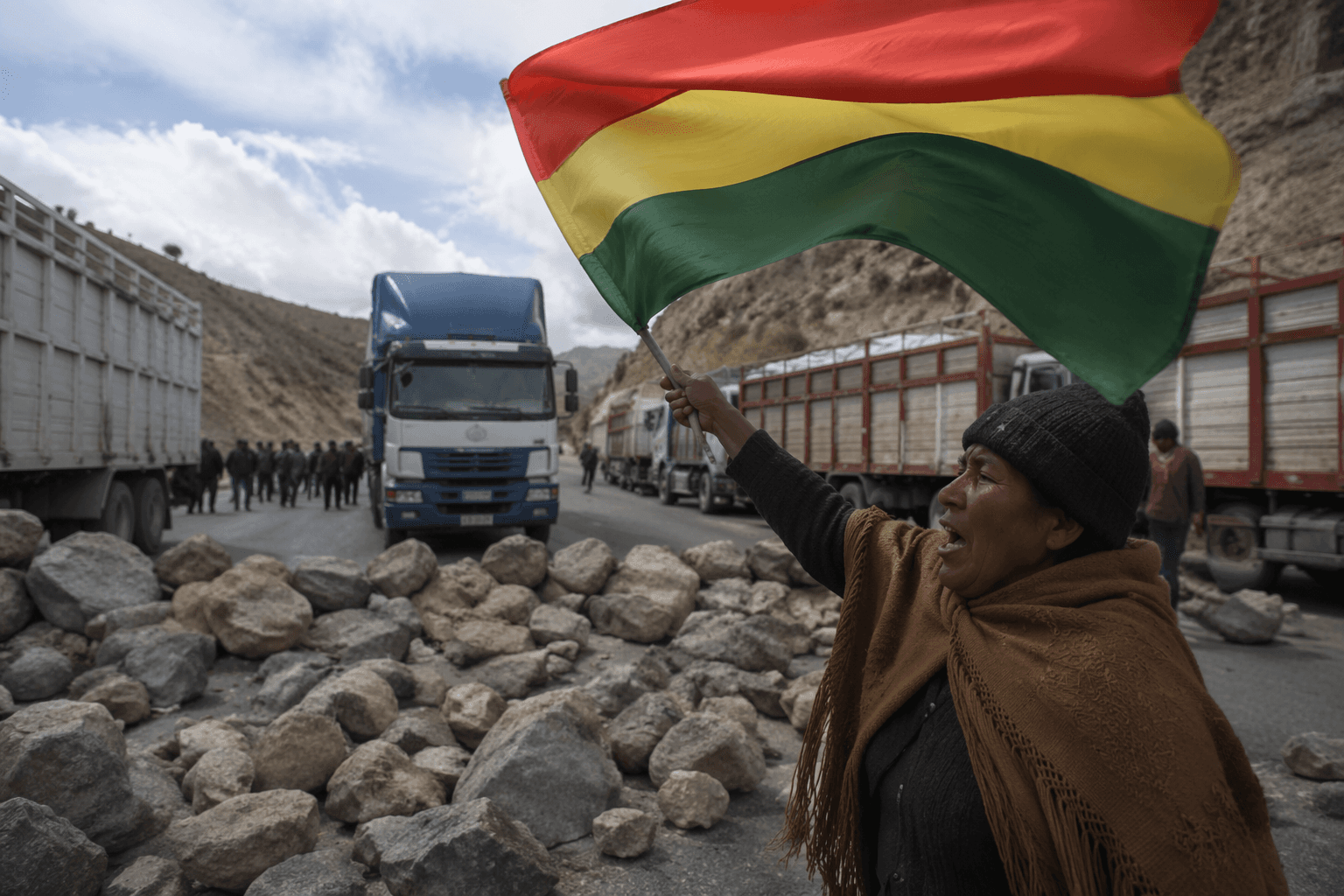
The blockade campaign has become a direct challenge to Paz’s agenda. Protesters, including Morales allies as well as workers’ unions and farmers, have cut major roads and stranded trucks, choking supply lines into La Paz and other parts of the country. The result has been long queues for fuel and restricted access to food and medical supplies, turning a political dispute into a nationwide logistics crisis.
The unrest began after Paz cut long-standing fuel subsidies as part of an effort to reduce Bolivia’s deficit amid a dollar shortage and talks with the International Monetary Fund. The government later tried to stabilize fuel prices and reverse unpopular land reforms, but the protests widened into broader anger over shortages, wages and Paz’s future. Union leaders have since demanded wage increases, an end to fuel and dollar shortages, and even the president’s resignation.
The emergency decree reflects the stakes for a government already under strain. Bolivia’s defense minister resigned earlier in June after a month of anti-government protests, the highest-level departure yet under Paz, who took office in November after his election ended nearly two decades of leftist rule. For now, the government is betting that military power can reopen the roads. Whether that calms the country or deepens the backlash will depend on whether emergency powers can do what negotiations have not: restore movement, supplies and confidence before the blockade economy hardens further.
This article was produced by Prism’s automated news system from verified source data, official records, and press releases, then run through automated quality and moderation checks before publishing. The system is built and supervised by the people who set the standards it runs under. Read our full AI policy.
Know something we missed? Have a correction or additional information?
Submit a Tip