Israel continues strikes in Lebanon despite renewed ceasefire
Israel kept striking Lebanon as the ceasefire was renewed, exposing a deal with no clear enforcement and pushing civilian casualties higher.

Israeli strikes kept hitting Lebanon even after a renewed ceasefire, underscoring how fragile the deal remains and how little trust exists between the two sides. In Beirut’s southern suburbs, Israeli attacks killed three people after Hezbollah fired into Israeli territory, a sharp reminder that the truce has not stopped the war from spilling back into civilian areas.
The central problem is a credibility gap. Israel and Lebanon agreed to renew a ceasefire after weeks of fighting, but Hezbollah leader Naim Qassem rejected the arrangement and demanded a complete Israeli withdrawal. Israel continues to occupy large swaths of southern Lebanon, leaving the basic question unanswered: what exactly was agreed to, and who is meant to enforce it if Israeli forces keep operating and Hezbollah keeps firing?
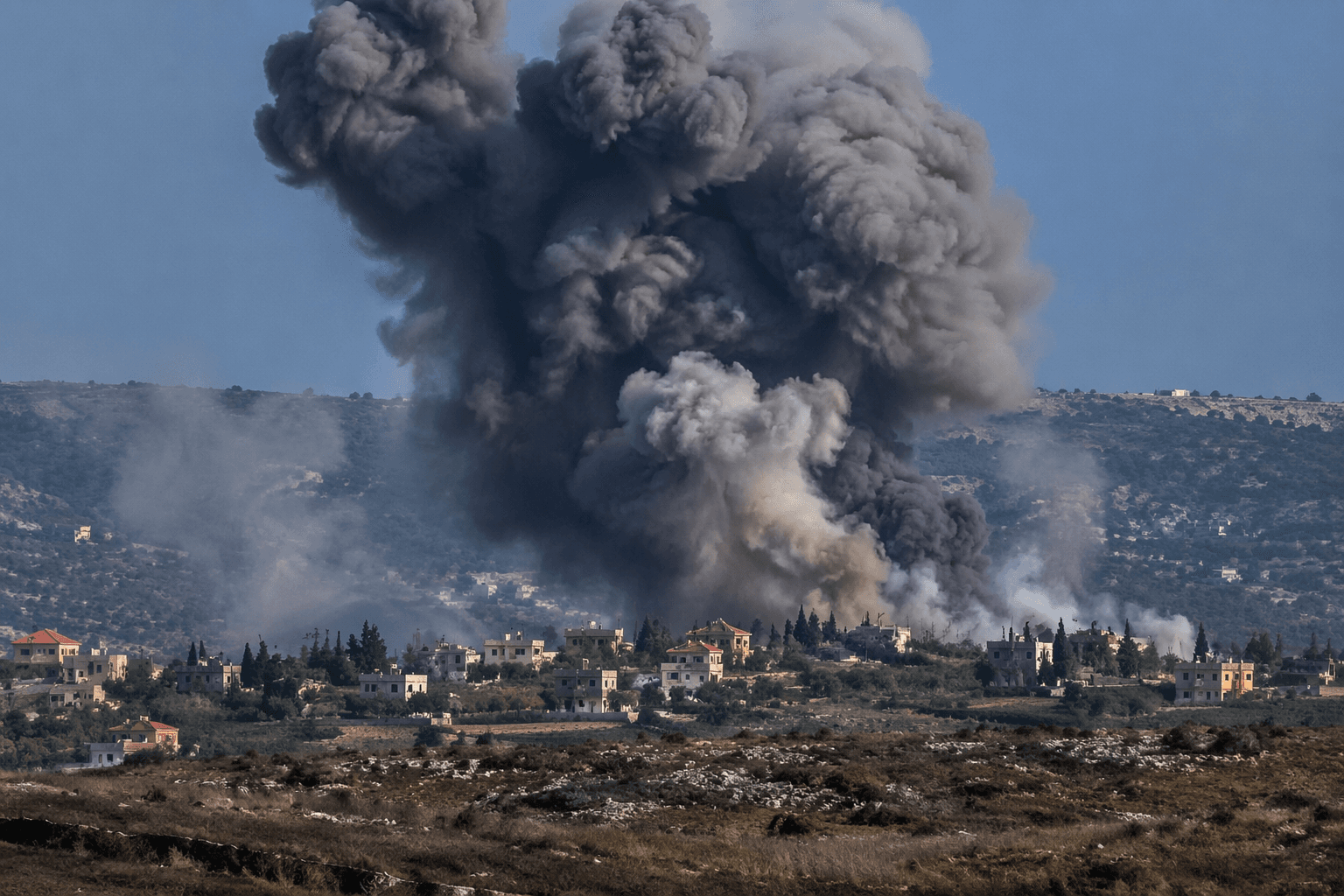
The damage has already been severe. Lebanon’s health ministry says the death toll in the latest war between Israel and Hezbollah has surpassed 4,000. Israeli forces also launched what they described as their most powerful attacks on Lebanon on April 8, killing hundreds and disrupting celebrations tied to the separate Iran ceasefire. The violence has made clear that every round of escalation carries costs far beyond the front line, with civilians in Beirut, southern Lebanon and nearby border areas paying the price.
The conflict did not start with the ceasefire fight. Hezbollah began firing rockets into Israel almost daily in solidarity with Palestinians in Gaza, turning the Lebanese front into part of a wider regional struggle. The war’s early shock came in September 2024, when pager and walkie-talkie explosions wounded more than 3,000 people and killed 12, including two children. Hezbollah said most of the dead and wounded were fighters or personnel, but civilians were also hit.
The diplomatic stakes are rising as the ceasefire frays. Deadly fighting in southern Lebanon had already complicated broader negotiations between the U.S. and Iran, and the latest exchanges show how quickly a local truce can destabilize wider talks. With Israeli forces still on Lebanese territory, Hezbollah refusing the terms, and no visible enforcement mechanism capable of stopping renewed attacks, the ceasefire looks less like a settlement than a pause that could collapse at any moment.
This article was produced by Prism’s automated news system from verified source data, official records, and press releases, then run through automated quality and moderation checks before publishing. The system is built and supervised by the people who set the standards it runs under. Read our full AI policy.
Know something we missed? Have a correction or additional information?
Submit a Tip